

Addressing the National Nursing Shortage:
Where Higher Education Institutions Can Help


Addressing the National Nursing Shortage:
Where Higher Education Institutions Can Help
Concern about the national nursing shortage is nothing new. Health experts and policymakers have been raising the alarm about the shortfall of qualified nurses in the U.S. for decades. As health sciences educators, our mission is to deliver workforce-ready nursing graduates. To accomplish this, we need a thorough understanding of the challenge and strategies to address it.
Here’s a brief look at the causes of the nursing shortage, a review of the factors that prevent institutions from meeting the demand and some tips you can apply to help your institution prepare the next generation of nurses by expanding academic and clinical capacity.
What’s Driving the Nursing Shortage?
There are multiple factors behind the nursing shortage, and it’s important for administrators to fully understand the breadth of the challenge so they can formulate the right solutions. The scale of the problem is a good place to start. The American Association of Colleges of Nursing estimates that 78,610 full-time RN positions are unfilled in 2025.
An aging population is one underlying cause, and it affects nursing in several ways. People are living longer, and they require more care as they age. Patients who are admitted to hospitals tend to have more acute needs today than they did in years past, placing an added burden on nursing staff.

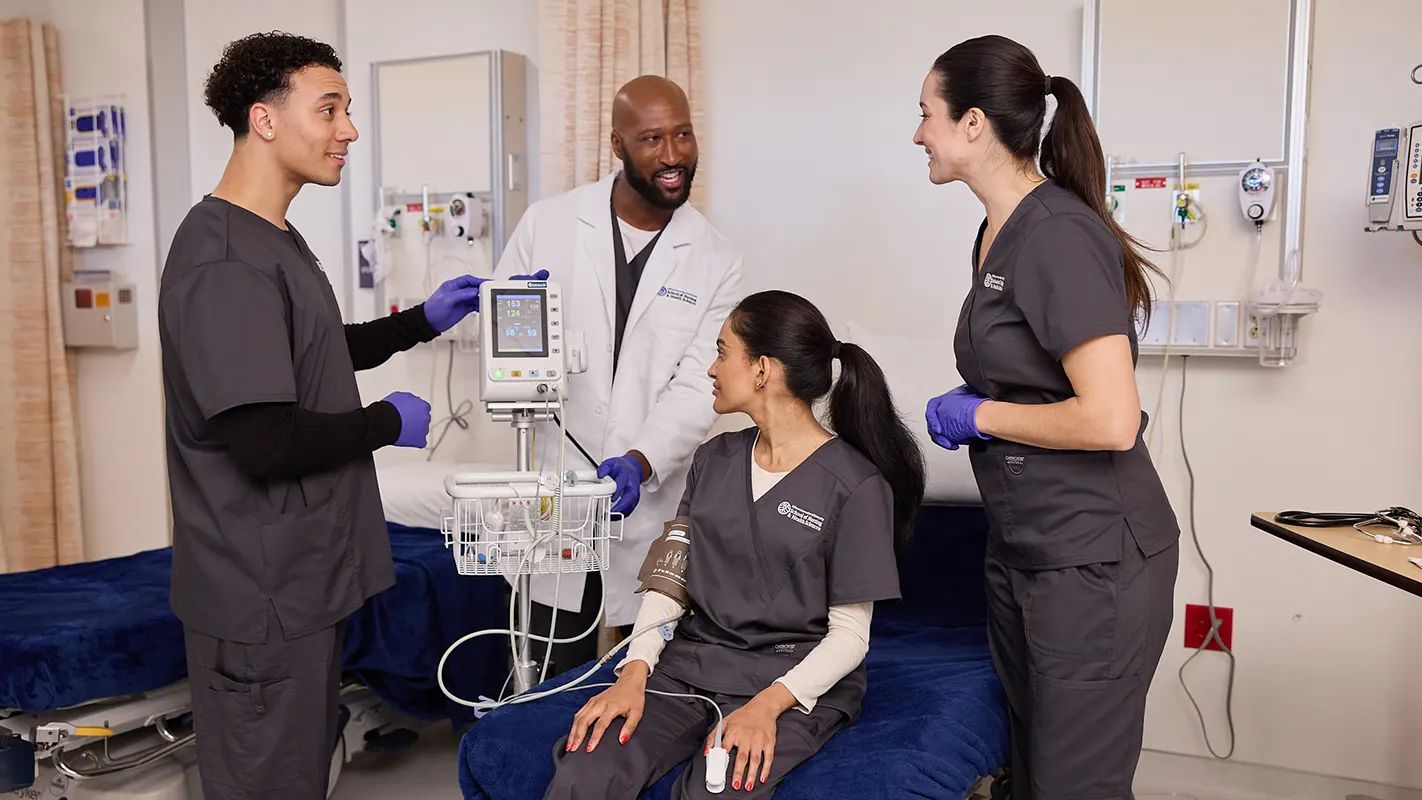
Lastly, due to population demographics, more nurses are retiring. As the Baby Boomer generation leaves the workplace, they’re taking their accumulated institutional knowledge with them, which can make it more difficult for remaining colleagues to deliver care efficiently.
Demographics aside, the COVID-19 pandemic took an enormous toll on nurses. In 2022, Health Affairs found that the profession lost more than 100,000 RNs in the previous year. It was the largest drop in decades, and many of those exiting the field were younger nurses.
These factors combined to drive the nursing shortage. At the same time, educational institutions and healthcare facilities that train nurses have a capacity issue that perpetuates it.
Faculty shortages and a lack of clinical placement opportunities force educators to cap nursing school enrollment. A National Institutes of Health study found that more than 90,000 qualified applicants were turned away from nursing programs in 2021 due to a shortage of preceptors and clinical placements.
Tips To Recruit and Retain Nurse Educators
Nursing college administrators can’t address demographic factors that contribute to the nursing shortage, but they can take action to expand their capacity to train students who are interested in a nursing career. By increasing faculty, institutions can ensure that more qualified applicants get the training they need today to fill tomorrow’s open positions.
That said, recruiting and retaining faculty can be a major challenge. Competitive salaries are table stakes because experienced nurses in a clinical setting have significant earning power, including the ability to earn time-and-a-half pay when they work overtime. They also have the freedom to arrange their schedules so they can work three or four days per week or take on more than one job.


One way educational institutions can compete is by providing opportunities for instructors to further their own education. Nurses are lifelong learners, but many lack the financial resources to go back to school or are too busy in clinical roles to pursue a more advanced degree. For senior-level nurses who are contemplating a move to academics, a doctorate program scholarship and time off to pursue that advanced degree can be an extremely attractive offer.
It’s also important for administrators to support clinicians who are stepping into a teaching role for the first time. Keep in mind that a person who is an outstanding nurse and clinical expert won’t intuitively know how to be an effective nursing instructor. Managing patients isn’t the same as managing students — teaching involves an entirely different set of competencies.
So, to help clinicians make the transition to nurse educators, administrators should consider a mentorship program that pairs experienced faculty with novice instructors. New instructors who observe experienced teachers learn how veteran instructors manage their classrooms and tailor material to different learning styles. This gives newcomers skills and confidence. When veteran instructors observe novice teachers, they can provide helpful feedback.
Ways to Cultivate Clinical Partnerships
Competitive salaries, scholarships and mentoring programs can help solve the faculty shortage – removing one bottleneck – but clinical placement opportunities are also in short supply. To provide workforce-ready nursing graduates, nursing school leaders will need to cultivate partnerships with facilities in their community so they can provide practical experience for nurses in training.
Administrators who are open to dialogue with clinical partners can establish relationships that deliver results for the community. You can start a dialogue by soliciting clinical partners’ views about gaps in academic practice, taking their calls, hearing complaints and working through challenges collaboratively.

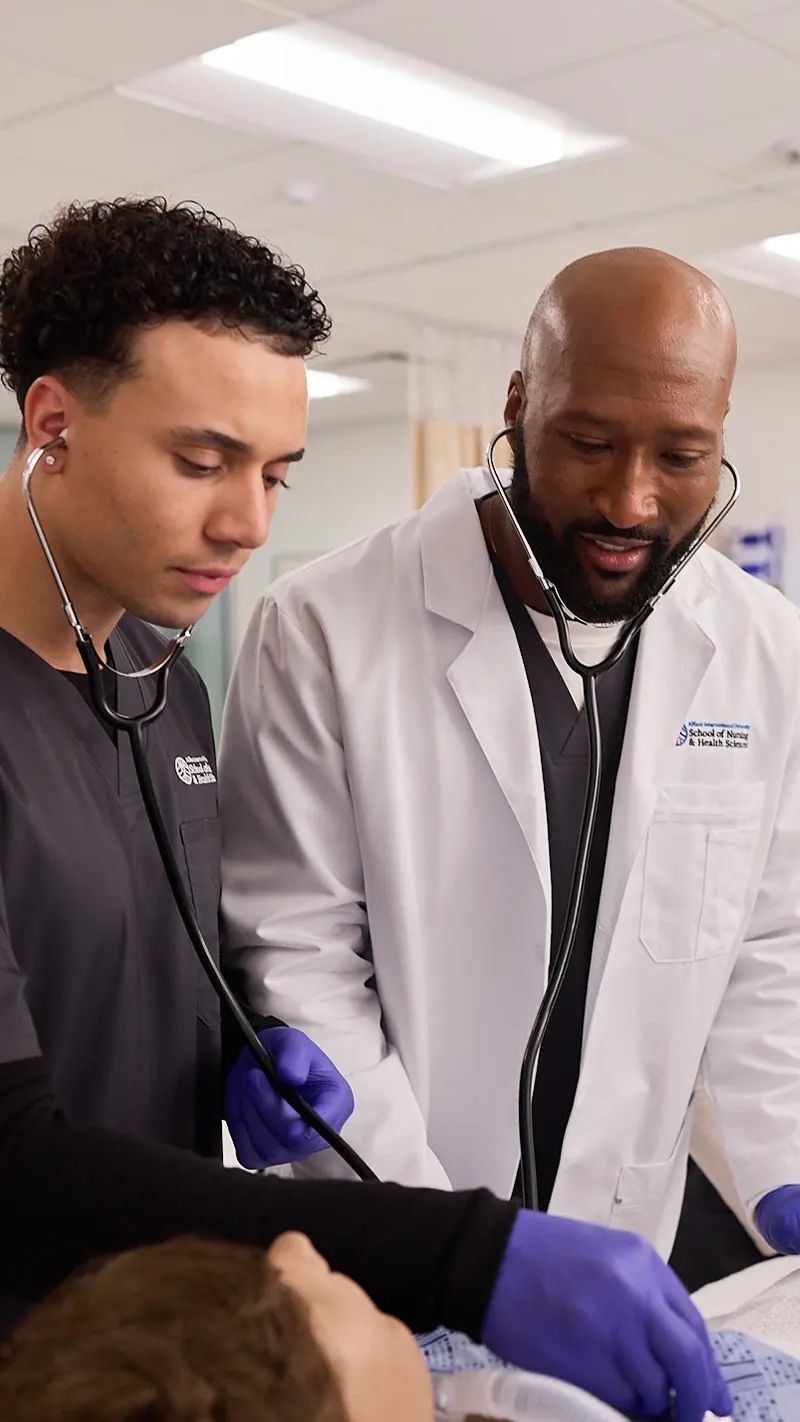
Remember that clinical partners are experiencing the nursing shortage too, so they have a stake in your institution’s success in training new nurses. In some cases, clinical partners may lack resources the institution has, such as state-of-the-art simulation equipment and access to continuing education resources. Higher ed organizations that share resources with healthcare systems can establish more collaborative partnerships.
Your organization benefits from this collaborative relationship too since clinical partners can offer an invaluable perspective on real-world healthcare needs and student readiness to take on challenging jobs. Through dialogue with partners, administrators can get a heads-up about emerging technologies or new policies and public health needs so they can ensure students are ready for the workforce when they graduate.
Consider an advisory council to give clinical partners a voice in the curriculum. For example, soft skills can be a challenge for new nurses. If a clinical partner lets the institution know this is an issue they’ve seen in the clinical environment, administrators can make sure students get more practice. This strengthens the educational experience and the partnership.
Expanding Nursing Education To Meet Tomorrow’s Healthcare Needs
Nursing is a complex, high-pressure profession. Being a great nurse requires leadership, compassion, communication skills, the ability to quickly prioritize tasks and excellent clinical judgment. Not just anyone can do it, and that’s a factor in the nursing shortage too. But we need more nurses, and as educators, it’s our job to deliver well-trained professionals.
To fulfill that mission, we need to expand nursing school faculty and clinical placement opportunities so that qualified applicants get a shot at a truly rewarding career. With the right strategies and techniques in place to address capacity on the academic and clinical side, you can help your institution prepare to meet community healthcare needs now and into the future.
This custom content is sponsored by Alliant University and developed by Inside Higher Ed's sponsored content team. The editorial staff of Inside Higher Ed had no role in its creation.


 Built with Shorthand