

Ending the era of unpaid internships
Florida Atlantic University is accelerating economic mobility by removing barriers to access for internships, while employers benefit from in-demand skills.
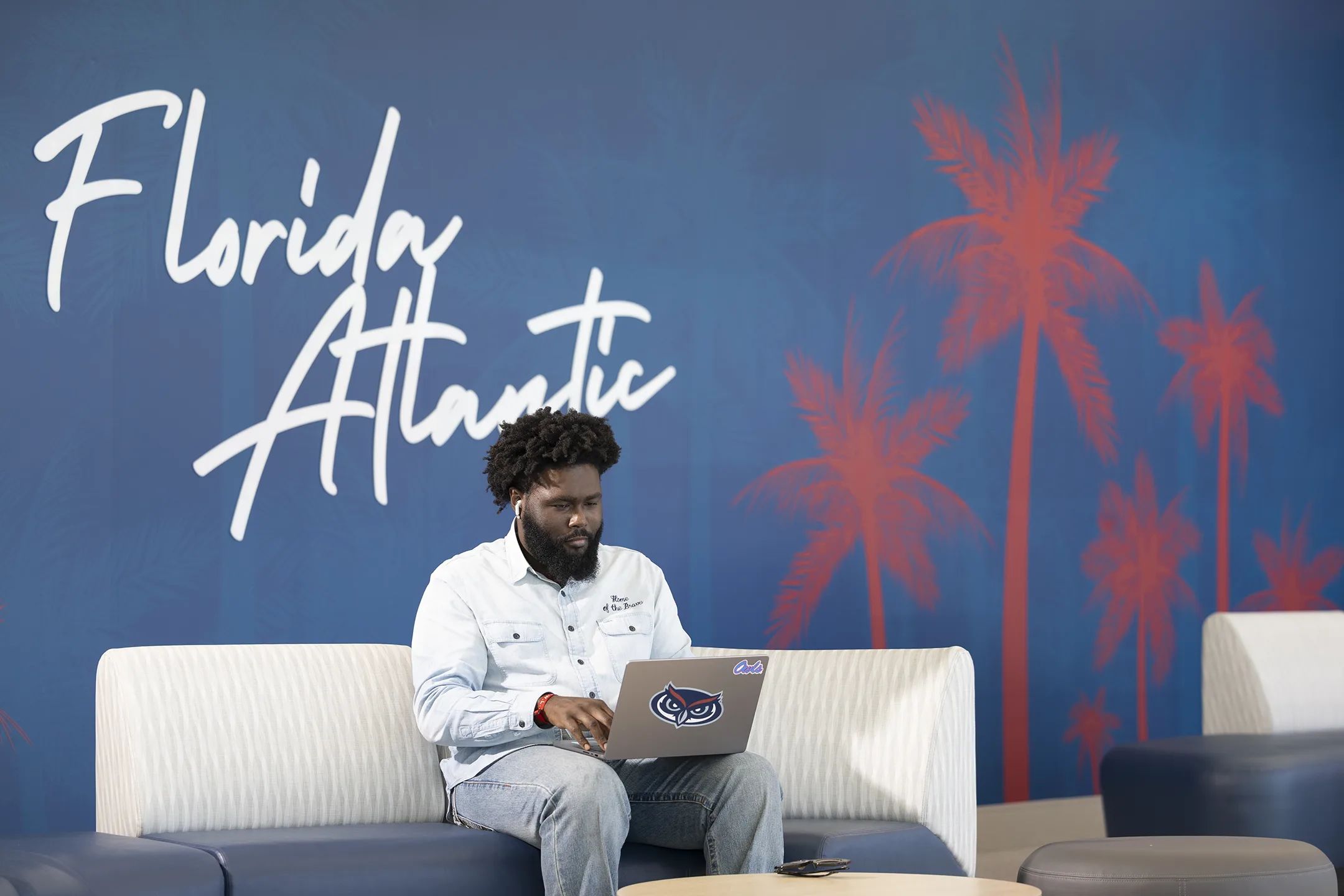

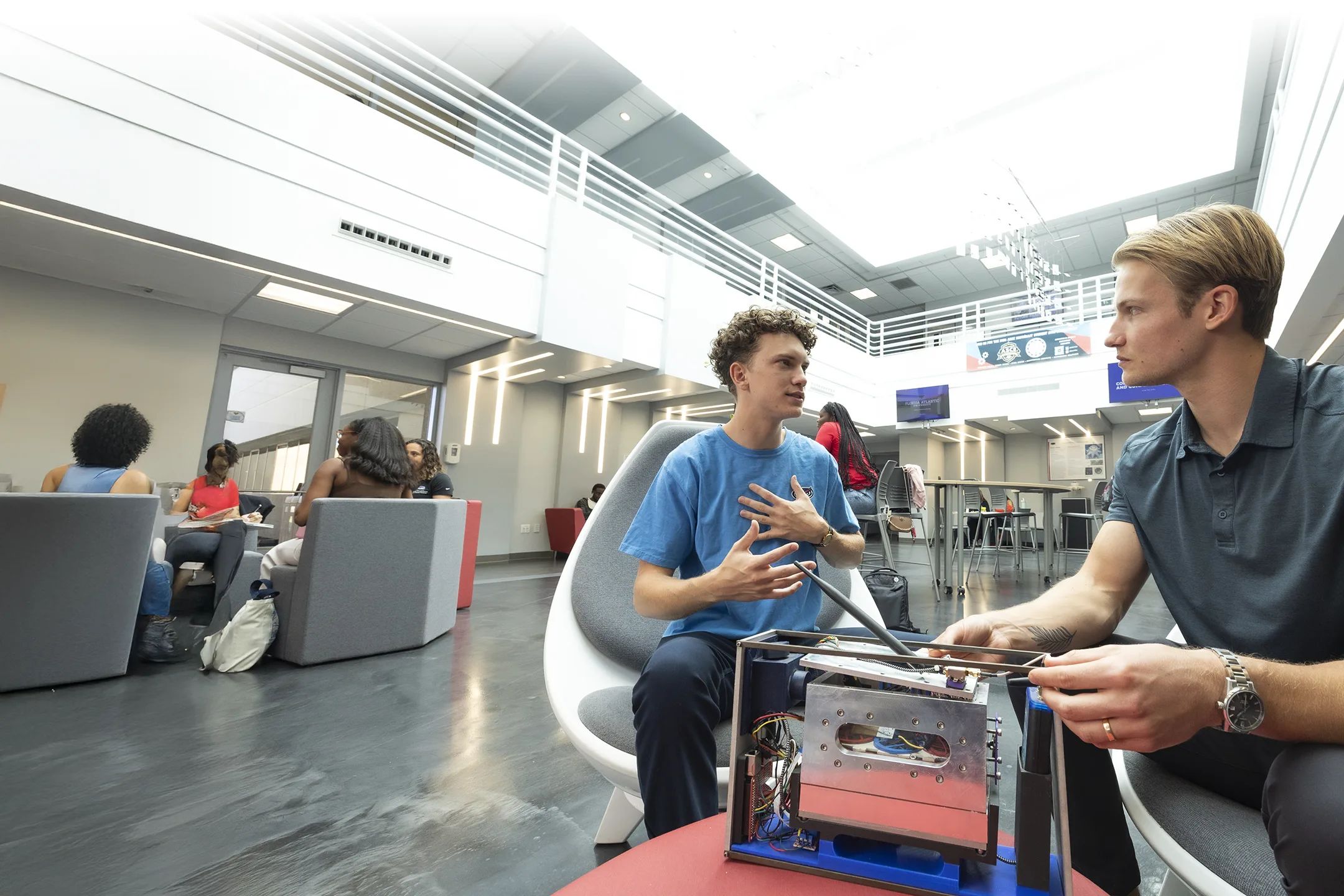
Securing an internship can be a challenge when you’re a student, but those barriers are compounded for those from low-income homes or who do not have ready-made networks of contacts in their chosen field. Many employers expect students to intern for free, leaving these opportunities open only to those who can afford them.
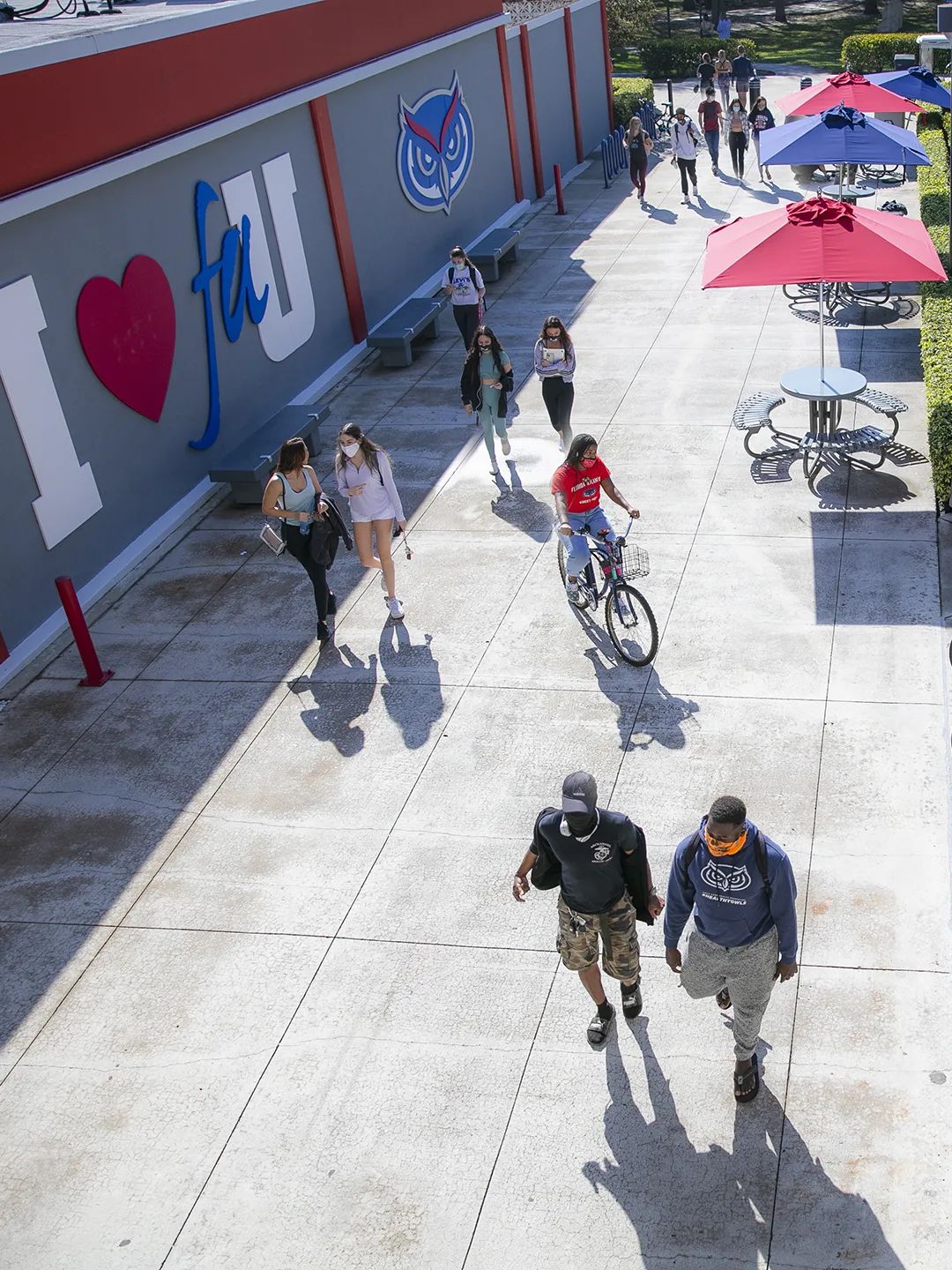
Florida Atlantic University wants to turn this system on its head by ending the era of the unpaid internships. Forty percent of Florida Atlantic’s student body is Pell-eligible and many balance low-paid work to support themselves financially during their studies.
“Looking at the data, we realized that we need to go out and fund internships that would not otherwise exist,” explains Florida Atlantic president Adam Hasner.
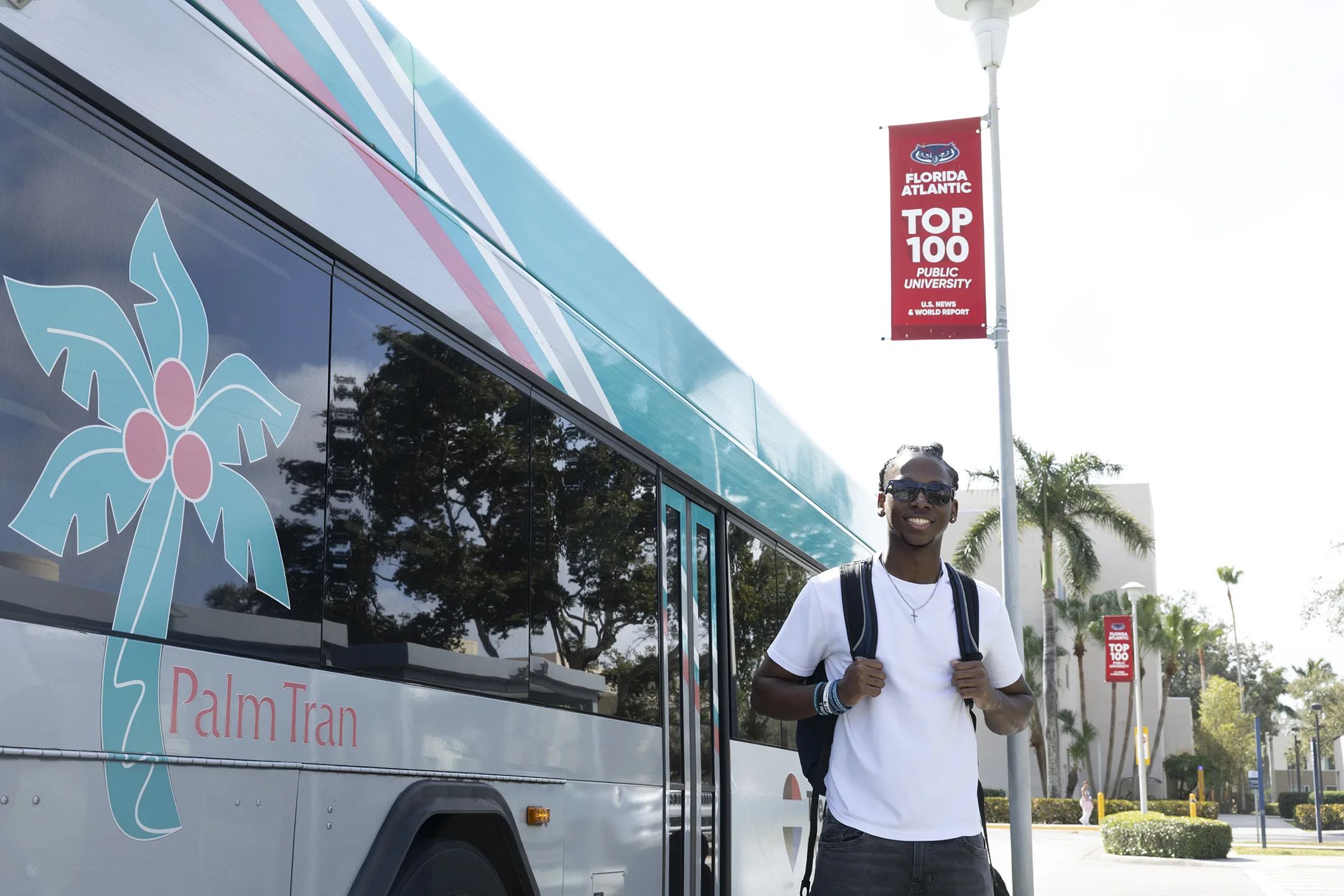
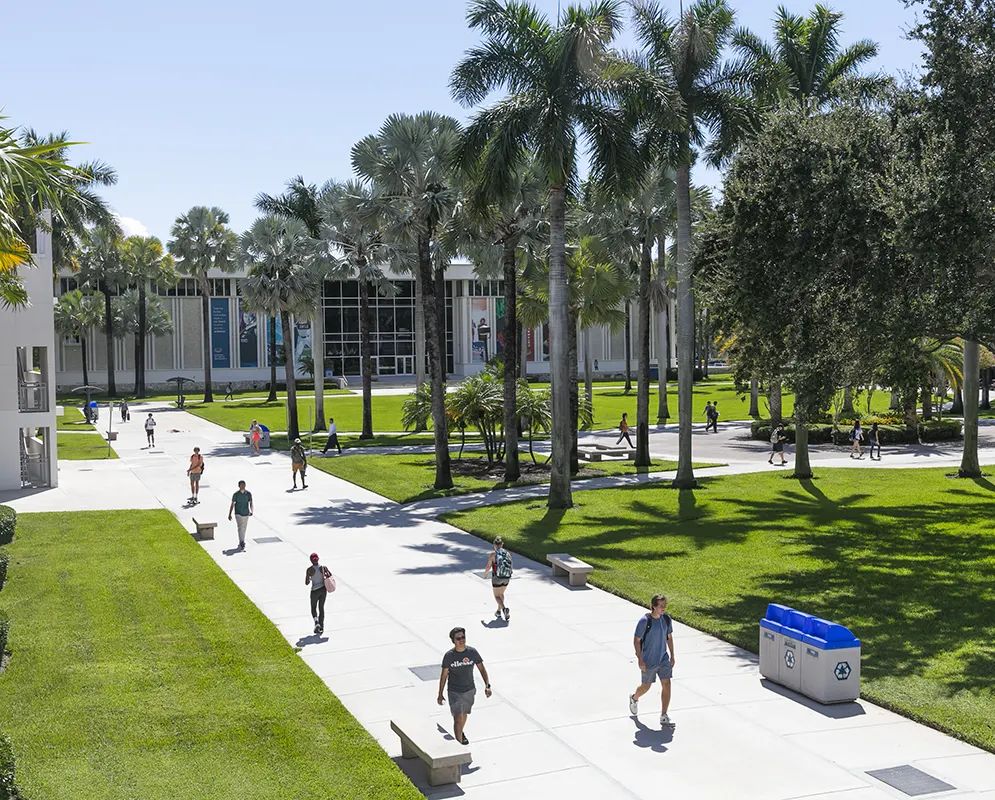
The university is located in southeast Florida, a region where job creation is growing and internships are available year-round, so he wanted to leverage its unique geographical advantage.

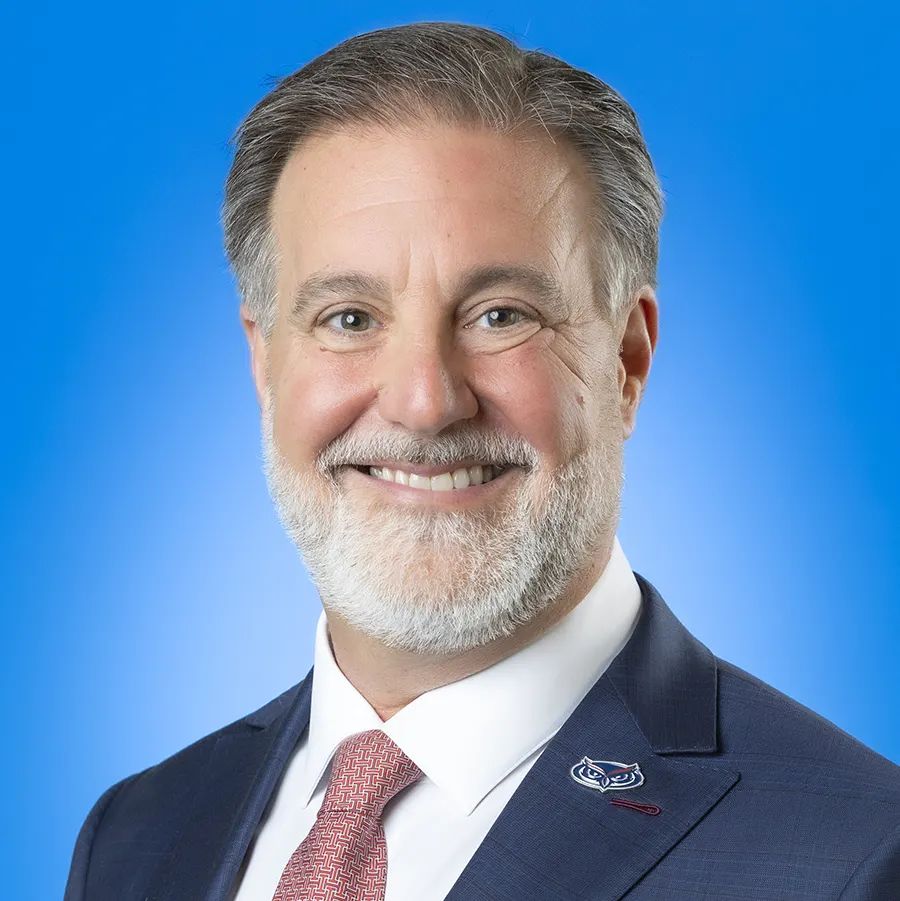
Florida Atlantic president Adam Hasner
Florida Atlantic president Adam Hasner
The President’s Internship Program for Community Impact has created almost 100 internship opportunities in public and non-profit sectors in spring 2026 alone. Students are paid $20 (£15) an hour for 20 hours a week over the course of a semester. At the same time, employers that would typically struggle to financially support an intern benefit from their skills and build a vital future talent pipeline.
“Such immersion helps the students to see what it's like in a workplace, and build teamwork and problem-solving skills – all things an employer will rely on,” adds Hasner.
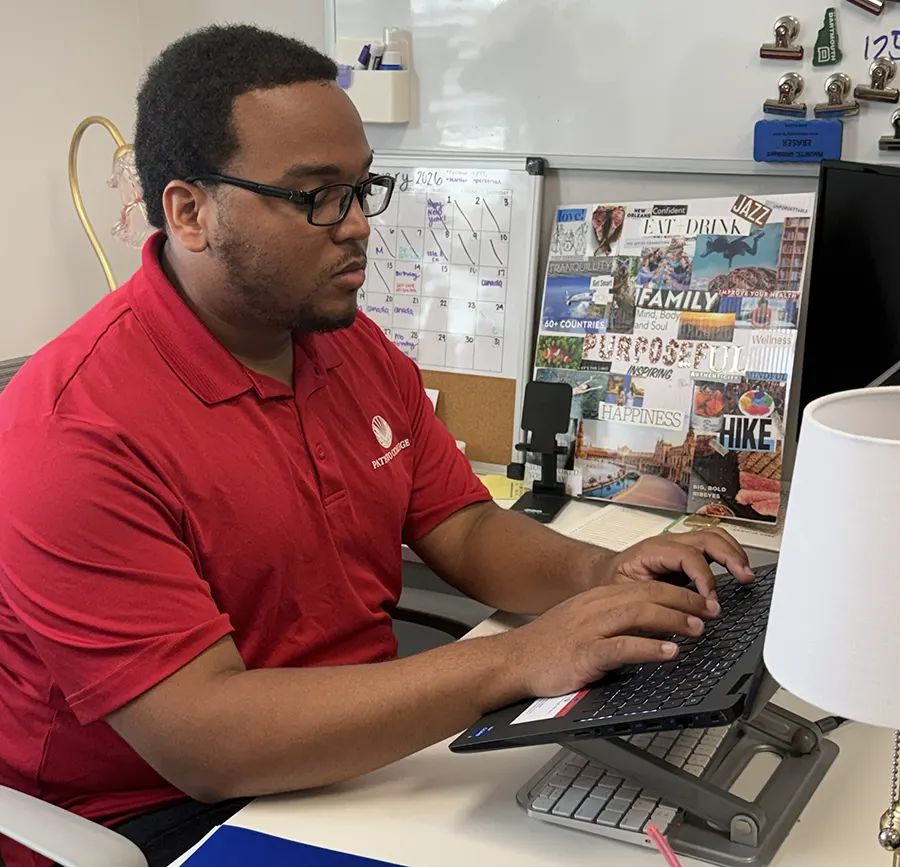
The internship is open to all juniors and seniors with more than 60 completed credits, and employers in local government or non-profits who have the capacity for one or two interns but no budget. The roles span federal, state and local government alongside small organizations supporting the environment or the arts.
“In our pilot semester, we’re seeing interns make a meaningful impact across the region, with 50 unique internship titles and 27 different majors represented, allowing us to reach students from just about all of our colleges,” explains Brian Montalvo, assistant vice president for career services at Florida Atlantic.

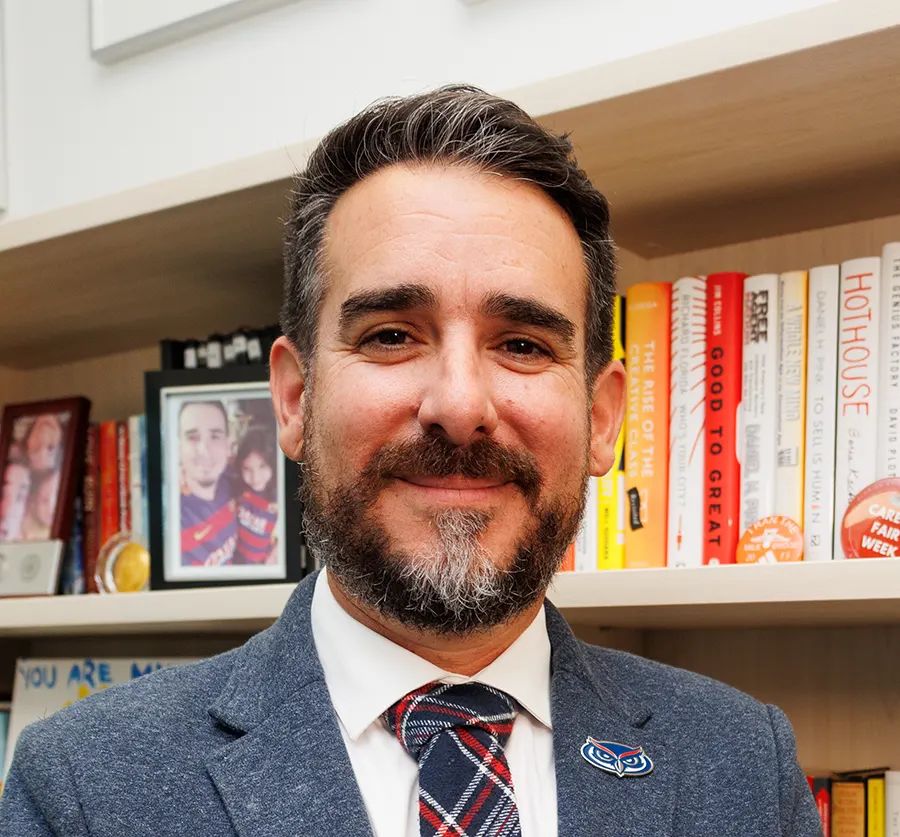
Brian Montalvo
Brian Montalvo
That early reach is already translating into tangible results for employers. “There has been clear mutual benefit so far,” Montalvo adds. “As an example, interns are helping employers navigate emerging technologies and refresh their marketing strategies and resources within a short window, allowing organizations to enhance their services. Employers are seeing a direct, positive impact from a highly skilled and motivated talent pipeline.”
At the same time, the experience is reshaping how students understand their own career possibilities. “This program provides experiential learning that helps students test drive career options, build professional networks and see possibilities beyond traditional job titles and into the hidden job market,” Montalvo says. “In terms of cognitive information processing theory, it broadens their options knowledge — and nothing accelerates student career development and future readiness more than that level of exposure.”
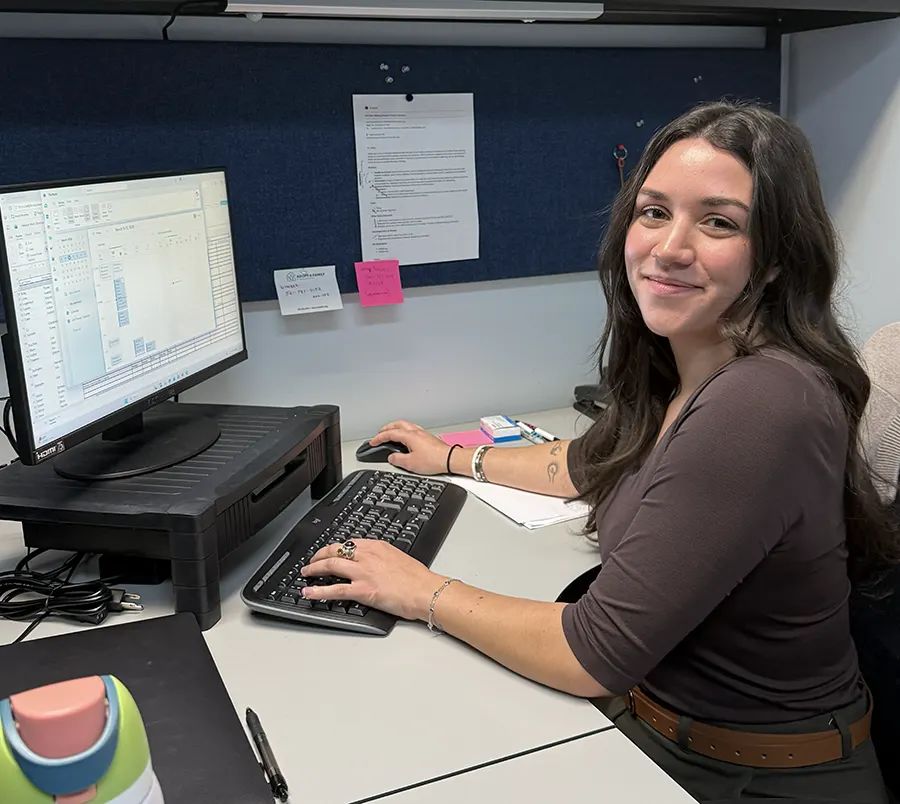
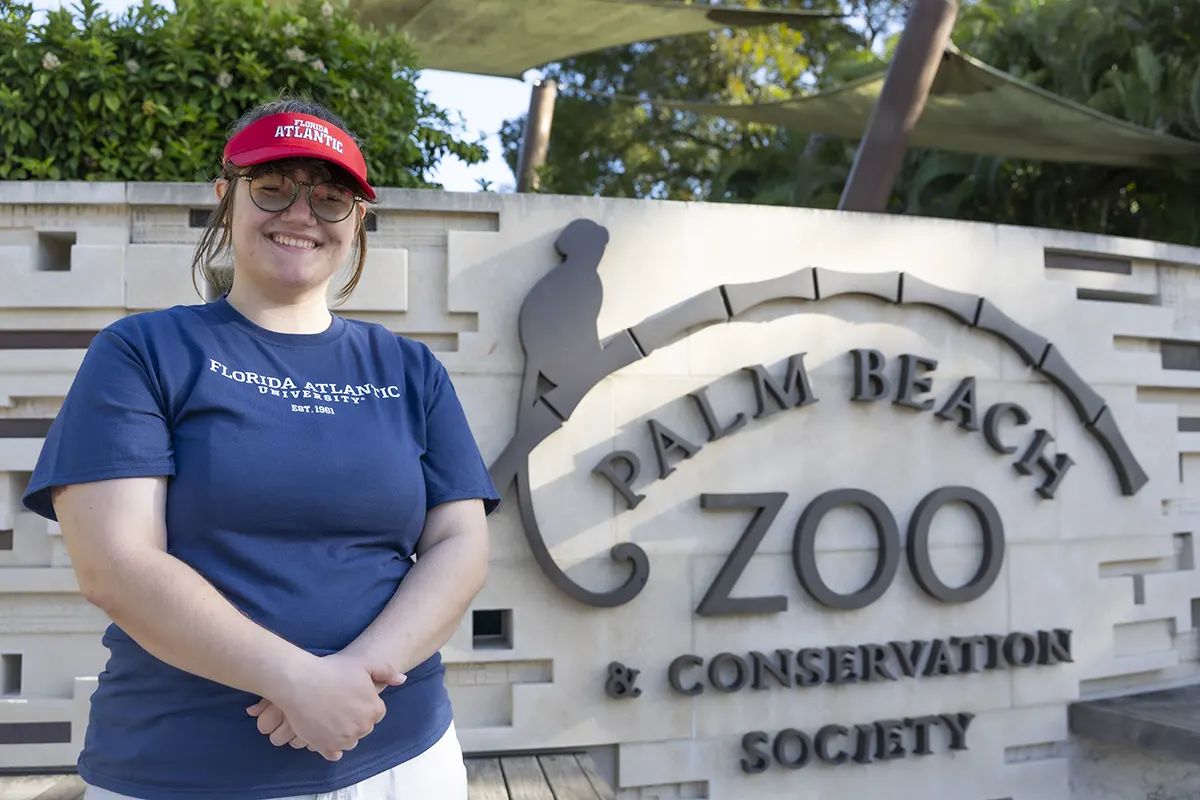
Maxine Nguyen, a senior majoring in urban design, is interning in the Planning Division of the City of West Palm Beach. It has given her an opportunity to see firsthand how urban planning and development decisions are made in a municipal setting.

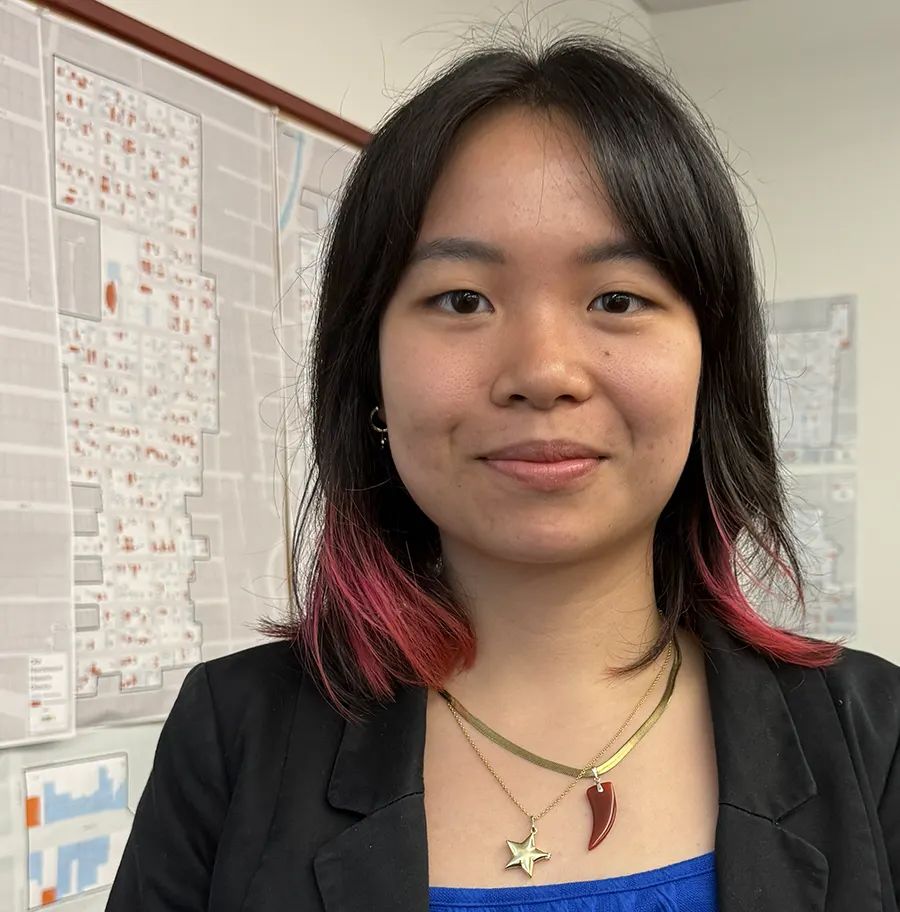
Maxine Nguyen
Maxine Nguyen
“My experience in the President’s Internship Program for Community Impact has been very rewarding so far,” she says. “It has allowed me to gain hands-on experience reviewing projects, learning about zoning and code regulations, and understanding how planning decisions impact the community. Overall, it has been a valuable experience that has helped me grow professionally and gain a deeper appreciation for the work that goes into shaping cities.”
In the time since Florida Atlantic launched the program, other schools have announced similar initiatives, potentially signaling a national shift towards ending the era of unpaid internships for community-focused work. Florida Atlantic has received legislative and philanthropic support for the program and hopes to grow its reach beyond civic and non-profit organizations, extending it to other employers that would benefit from a supported intern, such as start-up companies.
Like any U.S. university, Florida Atlantic is under pressure to produce employable graduates, and research shows that students who have interned are more likely to get a job offer and will earn a higher starting salary. Hasner believes this is why such programs are essential to bridging opportunity gaps: “We’re helping to address those barriers to students getting onto a career path. It’s early days but there is so much promise for this program.”
Find out more about Florida Atlantic University’s Presidential Internship Initiative.

Ending the era of unpaid internships
Florida Atlantic University is accelerating economic mobility by removing barriers to access for internships, while employers benefit from in-demand skills.

Securing an internship can be a challenge when you’re a student, but those barriers are compounded for those from low-income homes or who do not have ready-made networks of contacts in their chosen field. Many employers expect students to intern for free, leaving these opportunities open only to those who can afford them.
Florida Atlantic University wants to turn this system on its head by ending the era of the unpaid internships. Forty percent of Florida Atlantic’s student body is Pell-eligible and many balance low-paid work to support themselves financially during their studies.
“Looking at the data, we realized that we need to go out and fund internships that would not otherwise exist,” explains Florida Atlantic president Adam Hasner.
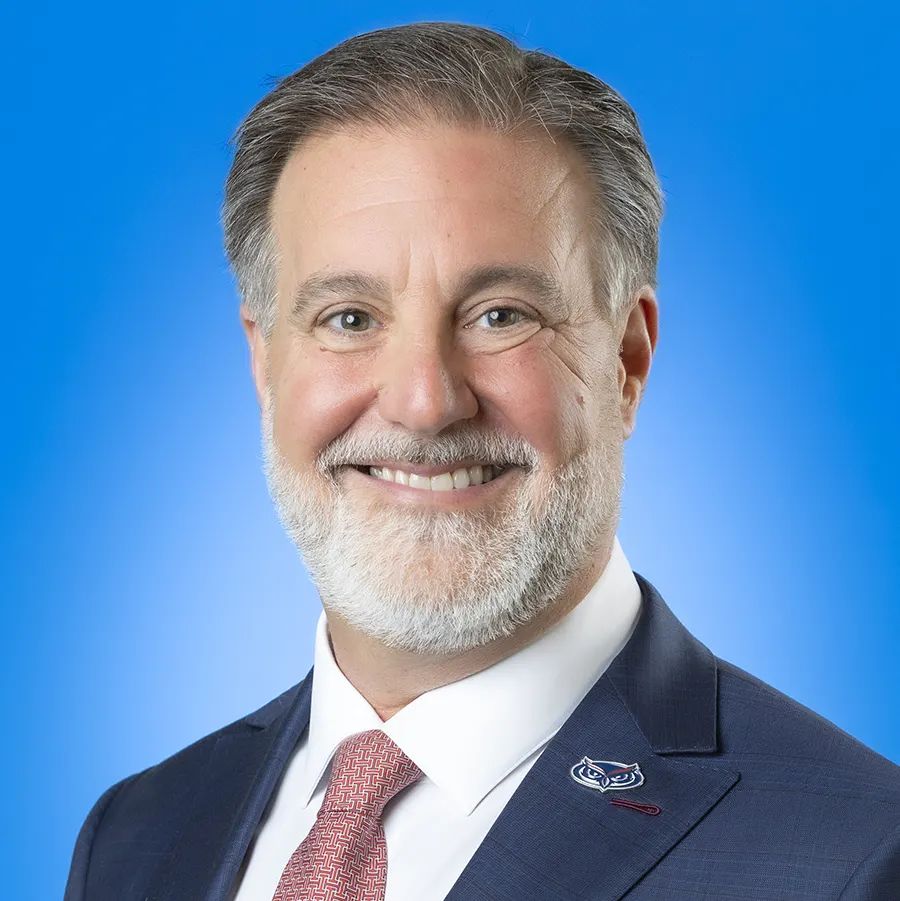
Florida Atlantic president Adam Hasner
Florida Atlantic president Adam Hasner
The university is located in southeast Florida, a region where job creation is growing and internships are available year-round, so he wanted to leverage its unique geographical advantage.
The President’s Internship Program for Community Impact has created almost 100 internship opportunities in public and non-profit sectors in spring 2026 alone. Students are paid $20 (£15) an hour for 20 hours a week over the course of a semester. At the same time, employers that would typically struggle to financially support an intern benefit from their skills and build a vital future talent pipeline.

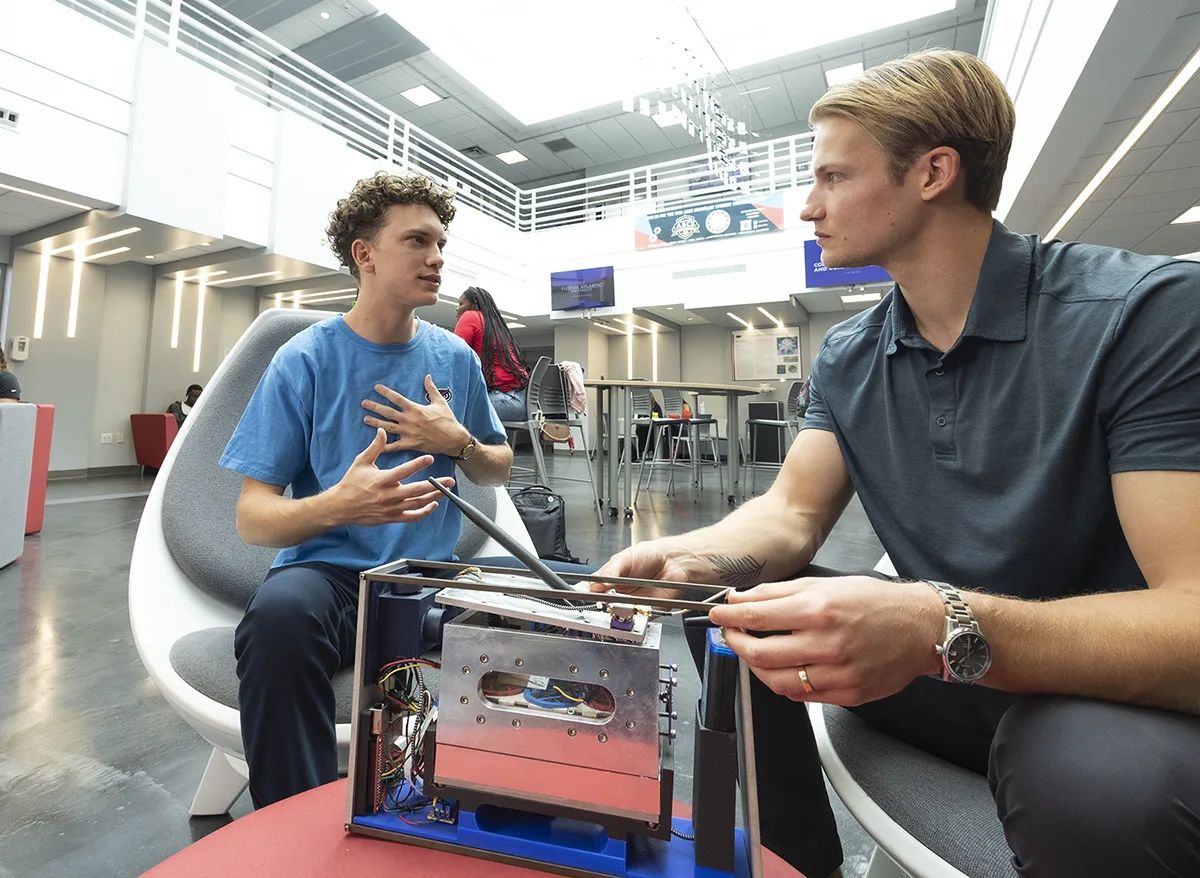
“Such immersion helps the students to see what it's like in a workplace, and build teamwork and problem-solving skills – all things an employer will rely on,” adds Hasner.
The internship is open to all juniors and seniors with more than 60 completed credits, and employers in local government or non-profits who have the capacity for one or two interns but no budget. The roles span federal, state and local government alongside small organizations supporting the environment or the arts.

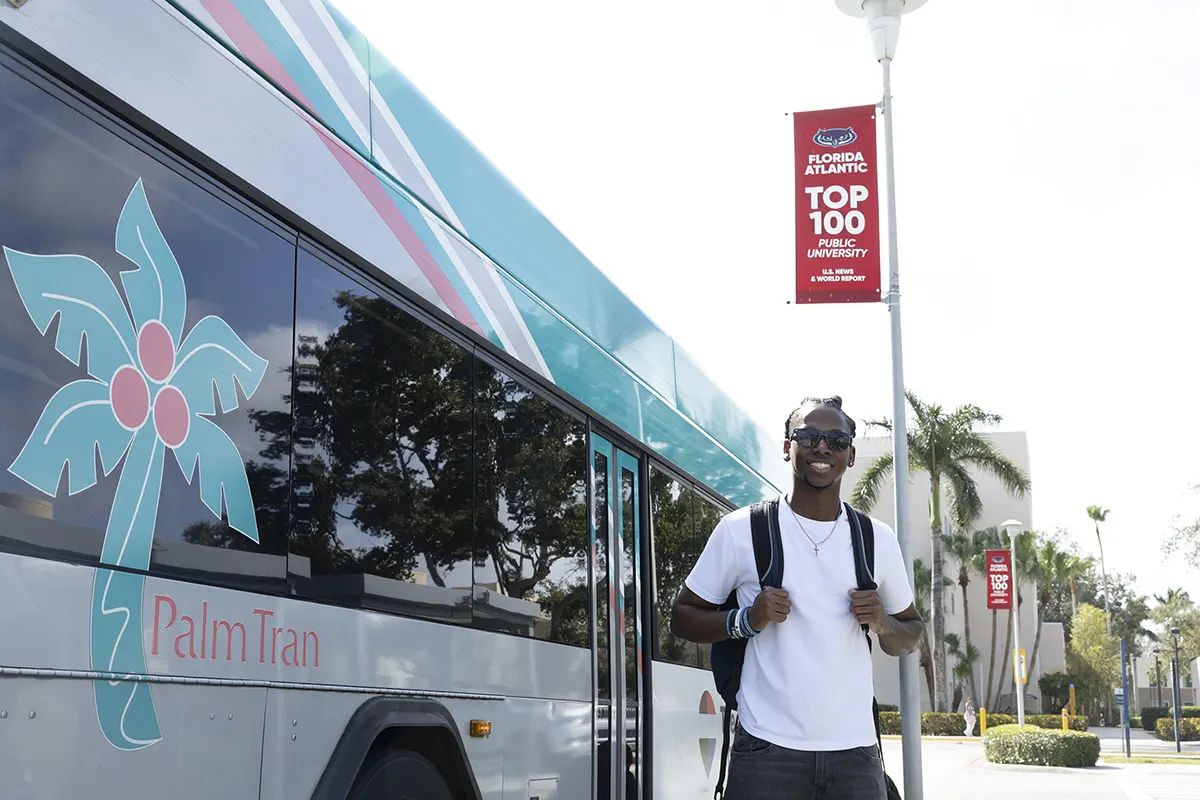
“In our pilot semester, we’re seeing interns make a meaningful impact across the region, with 50 unique internship titles and 27 different majors represented, allowing us to reach students from just about all of our colleges,” explains Brian Montalvo, assistant vice president for career services at Florida Atlantic.
That early reach is already translating into tangible results for employers. “There has been clear mutual benefit so far,” Montalvo adds. “As an example, interns are helping employers navigate emerging technologies and refresh their marketing strategies and resources within a short window, allowing organizations to enhance their services. Employers are seeing a direct, positive impact from a highly skilled and motivated talent pipeline.”
Brian Montalvo
Brian Montalvo
At the same time, the experience is reshaping how students understand their own career possibilities. “This program provides experiential learning that helps students test drive career options, build professional networks and see possibilities beyond traditional job titles and into the hidden job market,” Montalvo says. “In terms of cognitive information processing theory, it broadens their options knowledge — and nothing accelerates student career development and future readiness more than that level of exposure.”
Maxine Nguyen, a senior majoring in urban design, is interning in the Planning Division of the City of West Palm Beach. It has given her an opportunity to see firsthand how urban planning and development decisions are made in a municipal setting.
“My experience in the President’s Internship Program for Community Impact has been very rewarding so far,” she says. “It has allowed me to gain hands-on experience reviewing projects, learning about zoning and code regulations, and understanding how planning decisions impact the community. Overall, it has been a valuable experience that has helped me grow professionally and gain a deeper appreciation for the work that goes into shaping cities.”
Maxine Nguyen
Maxine Nguyen
In the time since Florida Atlantic launched the program, other schools have announced similar initiatives, potentially signaling a national shift towards ending the era of unpaid internships for community-focused work. Florida Atlantic has received legislative and philanthropic support for the program and hopes to grow its reach beyond civic and non-profit organizations, extending it to other employers that would benefit from a supported intern, such as start-up companies.
Like any U.S. university, Florida Atlantic is under pressure to produce employable graduates, and research shows that students who have interned are more likely to get a job offer and will earn a higher starting salary. Hasner believes this is why such programs are essential to bridging opportunity gaps: “We’re helping to address those barriers to students getting onto a career path. It’s early days but there is so much promise for this program.”
Find out more about Florida Atlantic University’s Presidential Internship Initiative.







Kyle Lansing
Kyle Lansing

This content is paid for and provided by Florida Atlantic University and developed by Inside Higher Ed's sponsored content team. The editorial staff of Inside Higher Ed had no role in its creation.

 Built with Shorthand