
Looking beyond the ledger
Redefining the accounting graduate in the age of AI

As AI automates many tasks, accounting education must refocus on human judgment, advisory skills, and technological fluency to prepare graduates for a people-first profession.
With AI here to stay, it’s up to higher education institutions and industry leaders to emphasize the importance of human skills in accounting jobs. “Honestly, we don't fully know what generative AI will do to accounting in the years to come,” says David Waite, professor of accounting at Utah Valley University. “Some say in 10 years we’ll be on a beach while AI creates all the value. My advice to students is to stay positive and that those who adapt will find new ways to lead.”
While the use of AI undoubtedly represents a major shift within the accounting sector, this should be viewed as a liberation rather than a replacement. “The bread-and-butter compliance tasks that bookkeepers and accountants have historically done will soon be automated by AI,” explains Jaclyn Anku, ProAdvisor program leader at Intuit, the global financial technology platform that works closely with the higher education sector. “With that work evolving, accountants now have a compelling opportunity to lean into higher-value advisory work. It is no longer just about knowing the bookkeeping; it’s about having the critical thinking to translate insights into a strategy that helps a client build their business.”
For Waite, the AI-driven transition toward advisory work doesn't mean students can bypass the basics. On the contrary, the technology requires learners to double down on essential human skills. He argues that to be a successful advisor, a graduate must possess a deep, internal understanding of accounting that goes beyond what an AI prompt can generate.


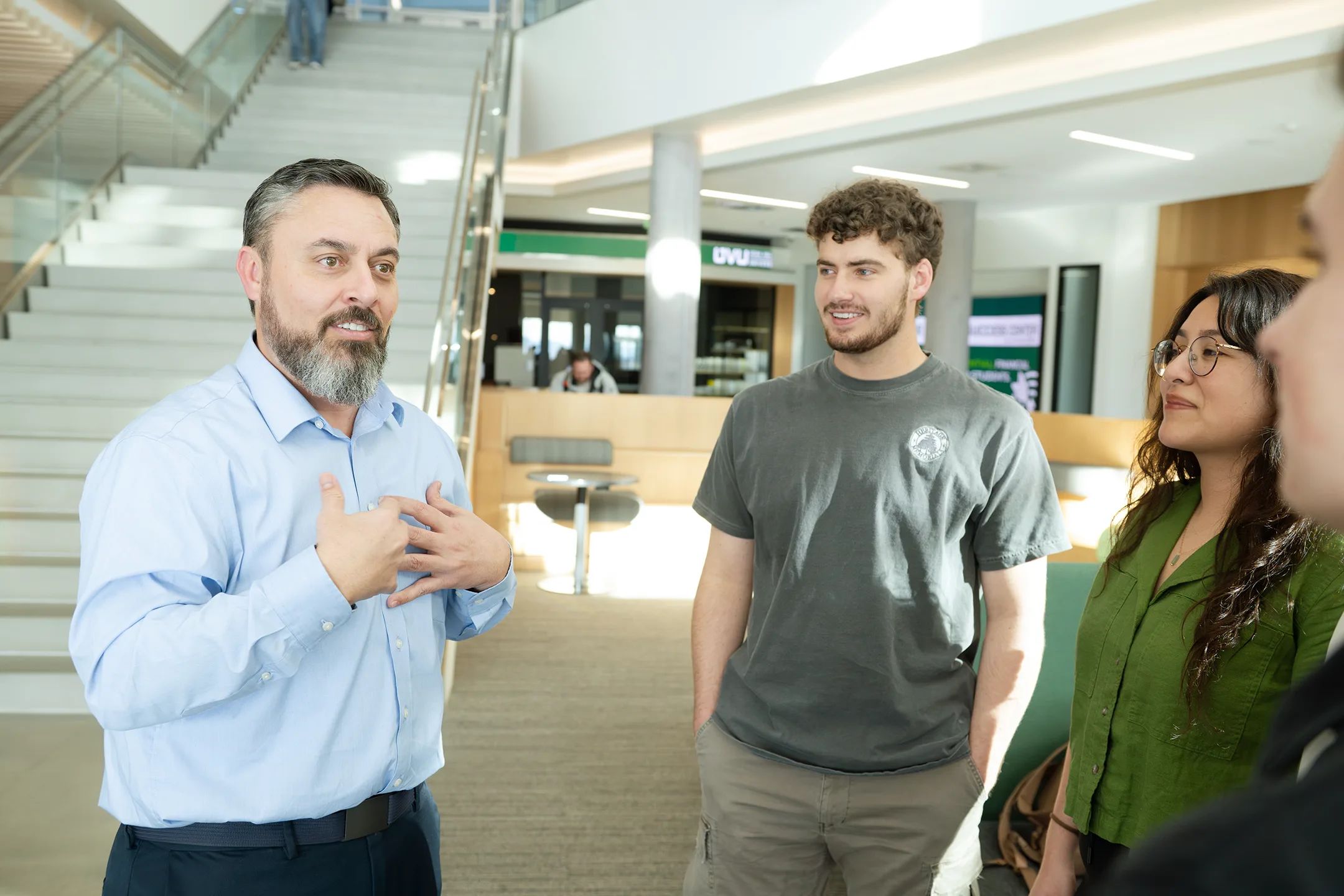
Jaclyn Anku and David Waite
Jaclyn Anku and David Waite
“Everyone is going to know how to ask ChatGPT to account for a lease,” Waite says. “A 15-year-old could do that. To be competitive, accountants must be able to use AI in a way that not only provides an answer but also allows them to drill down into the specifics within the context of a particular organization, industry and market. That leads us back to the fact that graduates ultimately have the right foundation of accounting principles and technical information they can lean on to understand what is happening behind the AI.”
To illustrate his argument, Waite points to the evolution of the industry’s most ubiquitous tool. “If you’re an accountant seeking cause for optimism in the age of AI, look no further than Microsoft Excel. You can’t think of accounting without Excel, but you can no longer afford to be just average at it. Those who know the tools well and can harness them to provide context are the ones people want to hire. Like Excel, AI is a tool. It’s about how you use it.”
As the sector and desirable skill sets change, Waite and Anku agree that professional education must change with them. Intuit has responded by shifting its training focus towards Client Advisory Services (CAS), a field that blends traditional bookkeeping with strategic financial modeling.
“We know that offering tried-and-true product training is no longer sufficient,” says Anku. “Our community needs more.” To bridge the emerging gap, Intuit has launched the CAS Foundations learning pathway, a specialized curriculum designed to move students past manual data entry and into the role of a growth partner. The pathway focuses on four core competencies set to define the next generation of accountants: accounting fundamentals, technological fluency, financial insights and empathetic communication. The CAS Foundations pathway will focus on providing early-stage accountants with a mastery of QuickBooks Online, a conceptual understanding of Agentic AI and, crucially, the ability to tell the story behind the numbers.
Intuit hopes to instill this knowledge before graduation by bringing these certifications to high schools and universities. “We’re pushing the timeline back,” Waite says. “Prior to this, firms were comfortable training accountants after they graduated. Now, the goal is to have students enter the workforce already certified and ready to provide value on day one.”
For individuals just starting their careers, the challenge is no longer just about proving their technical proficiency – it’s about demonstrating technological and strategic agility. As such, junior accountants should embrace the human attributes that differentiate them from the algorithms. Here, even non-accounting experience can be a major asset. “If a student has worked at a restaurant or in retail, that’s incredibly valuable,” Anku explains. “It gives them the context to translate numbers into financial insights. I encourage them to lean into those experiences and showcase the business context through an accounting lens during the interview process.”
Waite echoes this sentiment, urging early-career accountants to stop viewing themselves as processors and start seeing themselves as partners. He believes the competitive edge lies in understanding the big picture of a business – something AI cannot yet intuitively grasp. “One of the mistakes we make as teachers is focusing too much on the transaction,” Waite admits. “In the AI age, you can no longer walk in and say, ‘I will account for your transactions and nothing more.’ You have to be able to say, ‘I’m going to partner with you. I understand the business process. I know how to communicate with my boss and I know how to give and receive feedback.’” That shift is already being felt by employers. According to the 2025 Intuit QuickBooks Accountant Technology Report, an online survey of 700 U.S. accounting professionals, nearly eight in 10 accountants expect advisory work to grow, increasing demand for early-career professionals who combine accounting fundamentals with communication, technology and business insight.
Thriving in the age of AI accounting is all about synthesizing the human and the technological. As Anku explains, Intuit’s strategy for upskilling the profession centers on a holistic education that treats AI as a partner rather than simply a tool. “As the profession moves into the advisory space, we’ve updated our curriculum to expand into the technology space and emphasize soft skills,” Anku says. “Ultimately, upskilling is a way to ensure humans remain the beating heart of accounting. While AI and other technologies will certainly help along the way, I believe that the future of CAS is people-first. After all, it's people who give insights meaning.”

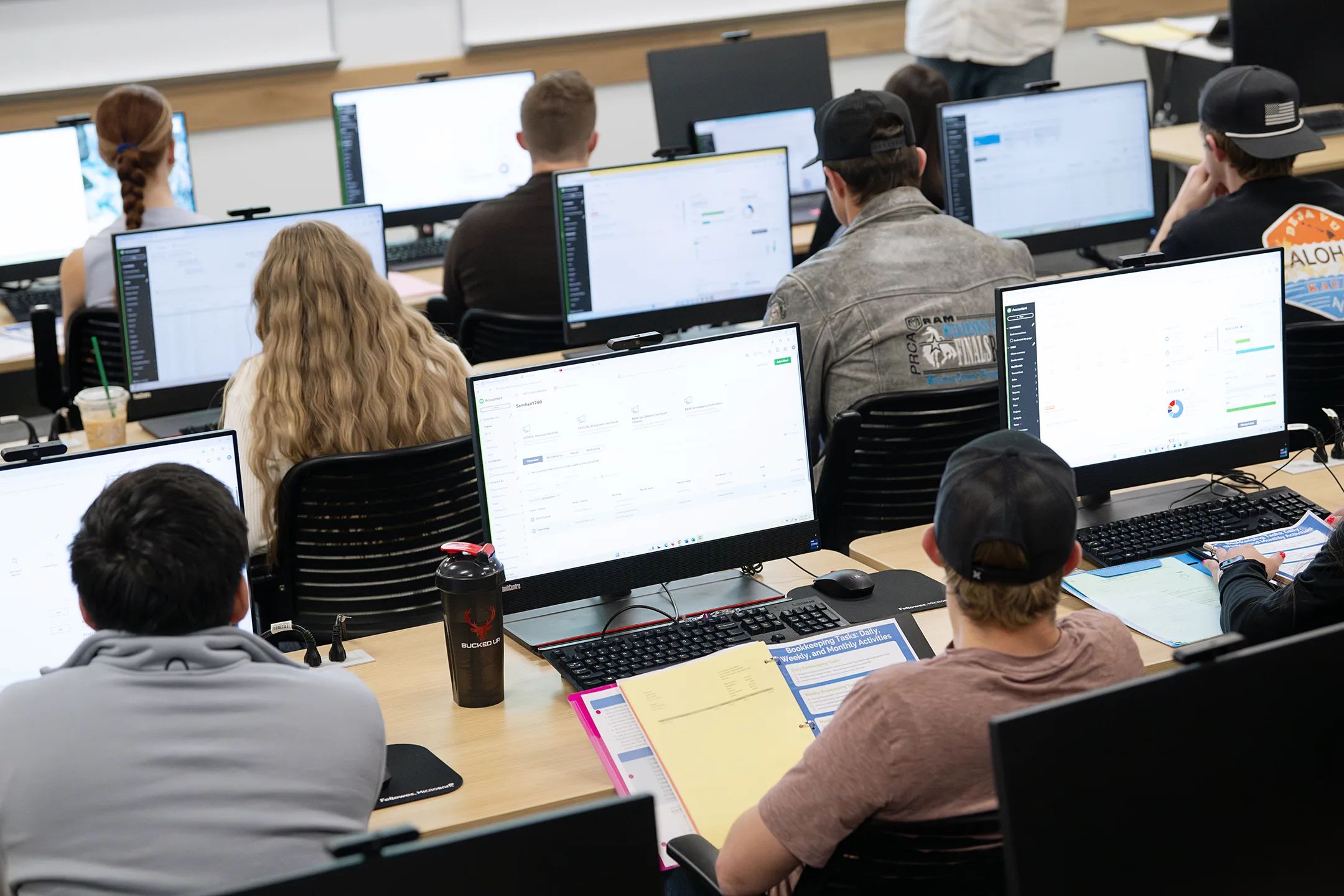
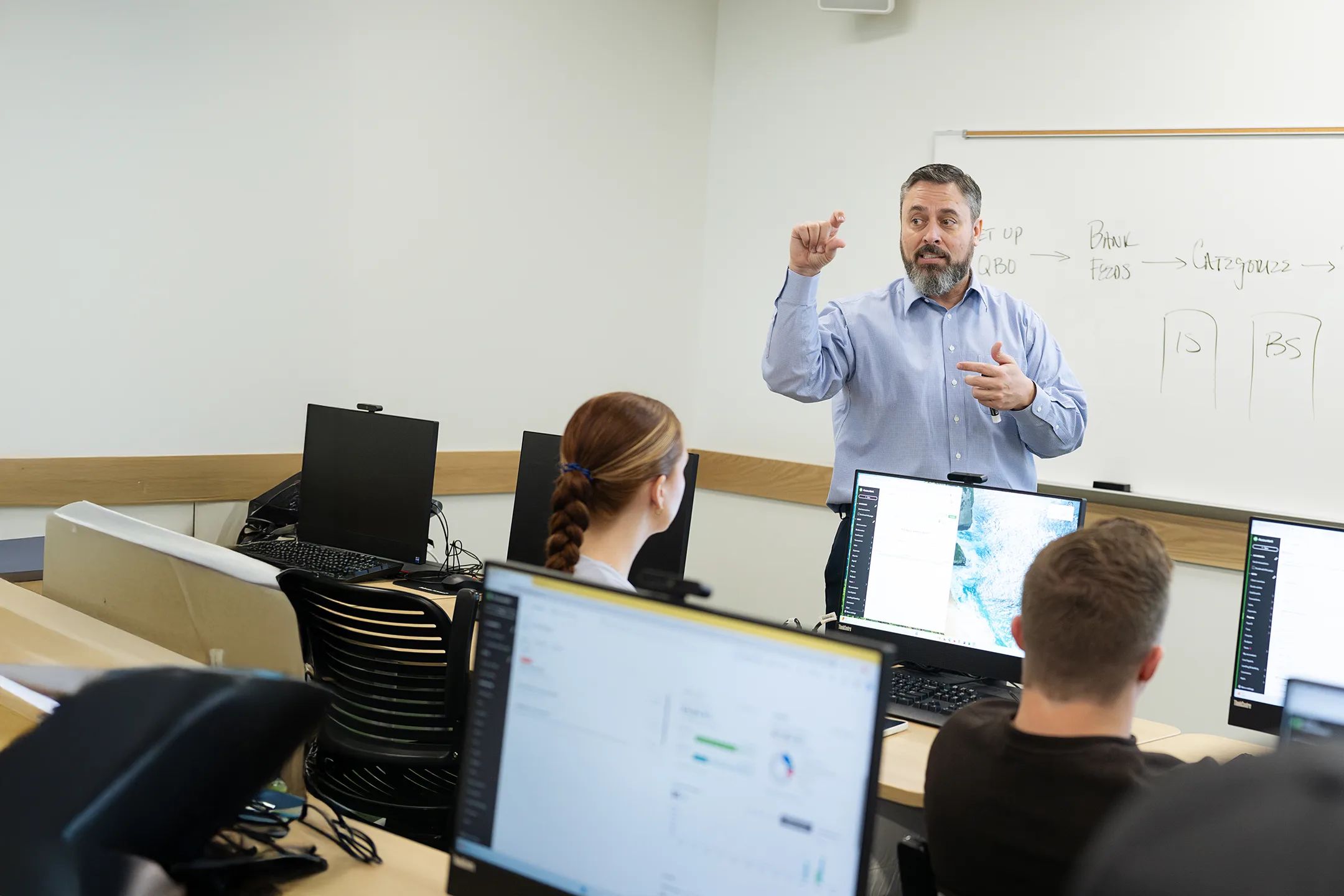

While the pace of AI can be daunting, accounting students and graduates can look forward to a future where the profession is more creative, collaborative and impactful than ever.
“Don’t fear the adoption of AI in accounting,” Waite urges. “Is there a possibility this industry is going to be different five years from now? Of course it is. But the information in your head and the ability to see the big picture of business will always have a place. By embracing this shift, accounting graduates won't just be surviving the age of AI – they’ll be leading it.”
As the profession evolves, resources like Intuit’s Career Lab are designed to bridge the gap between academic theory and the high-value advisory skills now required. By focusing on these emerging competencies, the program helps ensure the next generation of accountants enters the workforce as strategic partners ready for an AI-augmented landscape.

With AI here to stay, it’s up to higher education institutions and industry leaders to emphasize the importance of human skills in accounting jobs. “Honestly, we don't fully know what generative AI will do to accounting in the years to come,” says David Waite, professor of accounting at Utah Valley University. “Some say in 10 years we’ll be on a beach while AI creates all the value. My advice to students is to stay positive and that those who adapt will find new ways to lead.”
While the use of AI undoubtedly represents a major shift within the accounting sector, this should be viewed as a liberation rather than a replacement. “The bread-and-butter compliance tasks that bookkeepers and accountants have historically done will soon be automated by AI,” explains Jaclyn Anku, ProAdvisor program leader at Intuit, the global financial technology platform that works closely with the higher education sector. “With that work evolving, accountants now have a compelling opportunity to lean into higher-value advisory work. It is no longer just about knowing the bookkeeping; it’s about having the critical thinking to translate insights into a strategy that helps a client build their business.”
Jaclyn Anku and David Waite
Jaclyn Anku and David Waite
For Waite, the AI-driven transition toward advisory work doesn't mean students can bypass the basics. On the contrary, the technology requires learners to double down on essential human skills. He argues that to be a successful advisor, a graduate must possess a deep, internal understanding of accounting that goes beyond what an AI prompt can generate.
“Everyone is going to know how to ask ChatGPT to account for a lease,” Waite says. “A 15-year-old could do that. To be competitive, accountants must be able to use AI in a way that not only provides an answer but also allows them to drill down into the specifics within the context of a particular organization, industry and market. That leads us back to the fact that graduates ultimately have the right foundation of accounting principles and technical information they can lean on to understand what is happening behind the AI.”

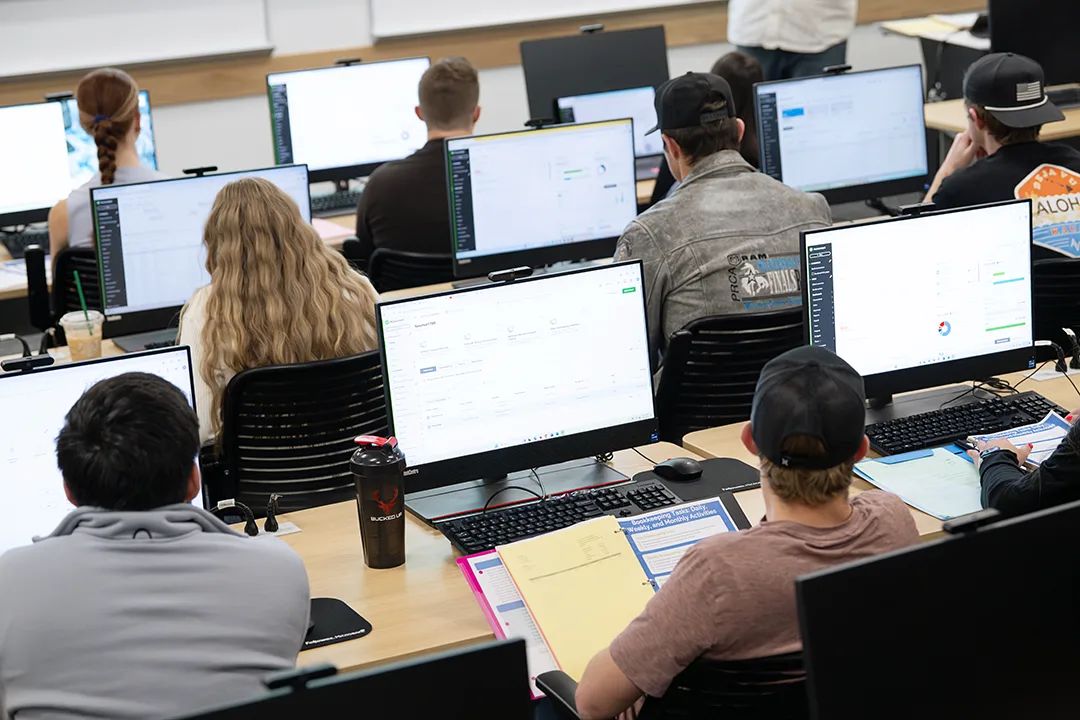
To illustrate his argument, Waite points to the evolution of the industry’s most ubiquitous tool. “If you’re an accountant seeking cause for optimism in the age of AI, look no further than Microsoft Excel. You can’t think of accounting without Excel, but you can no longer afford to be just average at it. Those who know the tools well and can harness them to provide context are the ones people want to hire. Like Excel, AI is a tool. It’s about how you use it.”
As the sector and desirable skill sets change, Waite and Anku agree that professional education must change with them. Intuit has responded by shifting its training focus towards Client Advisory Services (CAS), a field that blends traditional bookkeeping with strategic financial modeling.
“We know that offering tried-and-true product training is no longer sufficient,” says Anku. “Our community needs more.” To bridge the emerging gap, Intuit has launched the CAS Foundations learning pathway, a specialized curriculum designed to move students past manual data entry and into the role of a growth partner. The pathway focuses on four core competencies set to define the next generation of accountants: accounting fundamentals, technological fluency, financial insights and empathetic communication. The CAS Foundations pathway will focus on providing early-stage accountants with a mastery of QuickBooks Online, a conceptual understanding of Agentic AI and, crucially, the ability to tell the story behind the numbers.
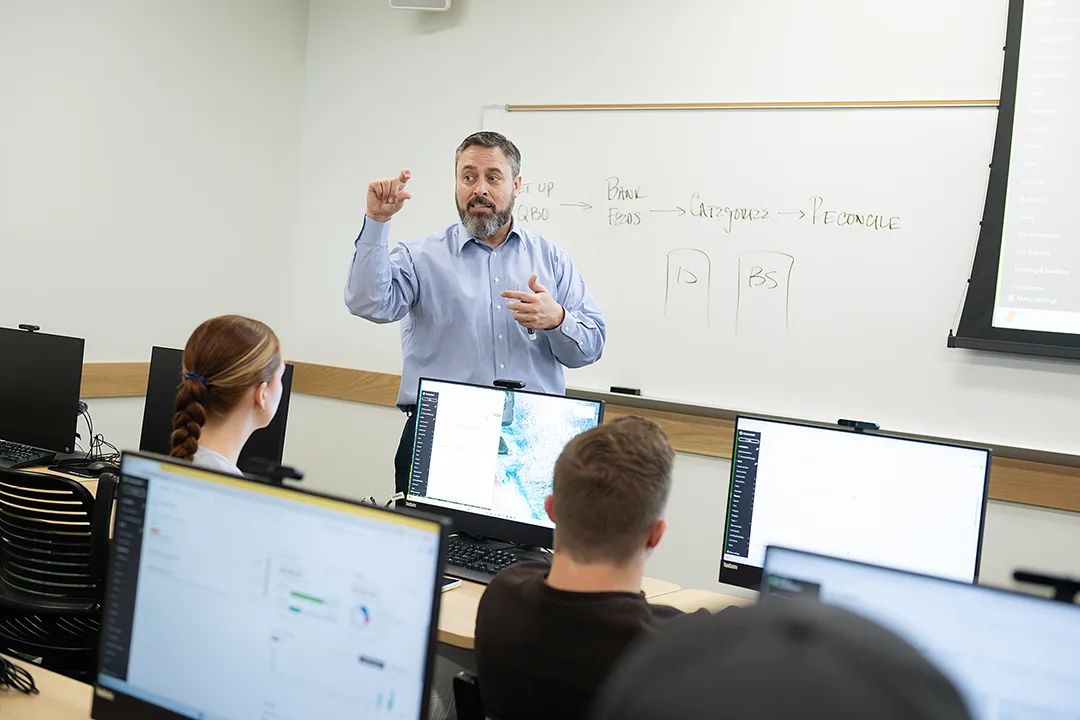
Intuit hopes to instill this knowledge before graduation by bringing these certifications to high schools and universities. “We’re pushing the timeline back,” Waite says. “Prior to this, firms were comfortable training accountants after they graduated. Now, the goal is to have students enter the workforce already certified and ready to provide value on day one.”
For individuals just starting their careers, the challenge is no longer just about proving their technical proficiency – it’s about demonstrating technological and strategic agility. As such, junior accountants should embrace the human attributes that differentiate them from the algorithms. Here, even non-accounting experience can be a major asset. “If a student has worked at a restaurant or in retail, that’s incredibly valuable,” Anku explains. “It gives them the context to translate numbers into financial insights. I encourage them to lean into those experiences and showcase the business context through an accounting lens during the interview process.”
Waite echoes this sentiment, urging early-career accountants to stop viewing themselves as processors and start seeing themselves as partners. He believes the competitive edge lies in understanding the big picture of a business – something AI cannot yet intuitively grasp. “One of the mistakes we make as teachers is focusing too much on the transaction,” Waite admits. “In the AI age, you can no longer walk in and say, ‘I will account for your transactions and nothing more.’ You have to be able to say, ‘I’m going to partner with you. I understand the business process. I know how to communicate with my boss and I know how to give and receive feedback.’” That shift is already being felt by employers. According to the 2025 Intuit QuickBooks Accountant Technology Report, an online survey of 700 U.S. accounting professionals, nearly eight in 10 accountants expect advisory work to grow, increasing demand for early-career professionals who combine accounting fundamentals with communication, technology and business insight.

Thriving in the age of AI accounting is all about synthesizing the human and the technological. As Anku explains, Intuit’s strategy for upskilling the profession centers on a holistic education that treats AI as a partner rather than simply a tool. “As the profession moves into the advisory space, we’ve updated our curriculum to expand into the technology space and emphasize soft skills,” Anku says. “Ultimately, upskilling is a way to ensure humans remain the beating heart of accounting. While AI and other technologies will certainly help along the way, I believe that the future of CAS is people-first. After all, it's people who give insights meaning.”
While the pace of AI can be daunting, accounting students and graduates can look forward to a future where the profession is more creative, collaborative and impactful than ever.
“Don’t fear the adoption of AI in accounting,” Waite urges. “Is there a possibility this industry is going to be different five years from now? Of course it is. But the information in your head and the ability to see the big picture of business will always have a place. By embracing this shift, accounting graduates won't just be surviving the age of AI – they’ll be leading it.”
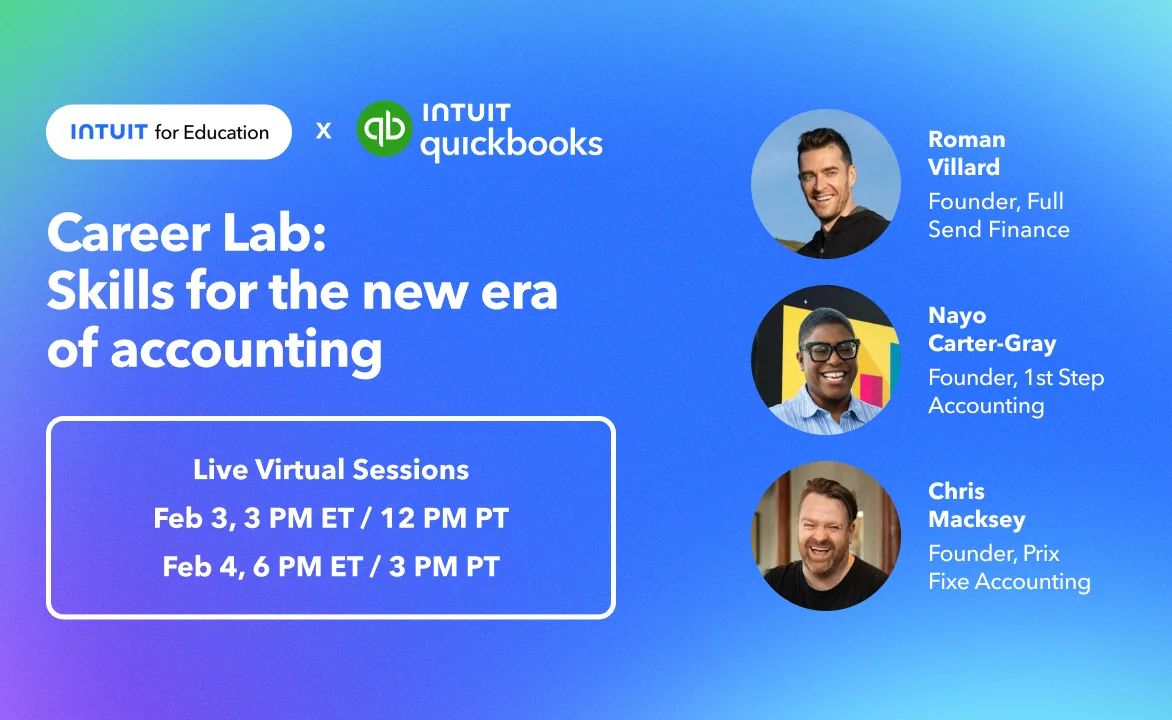
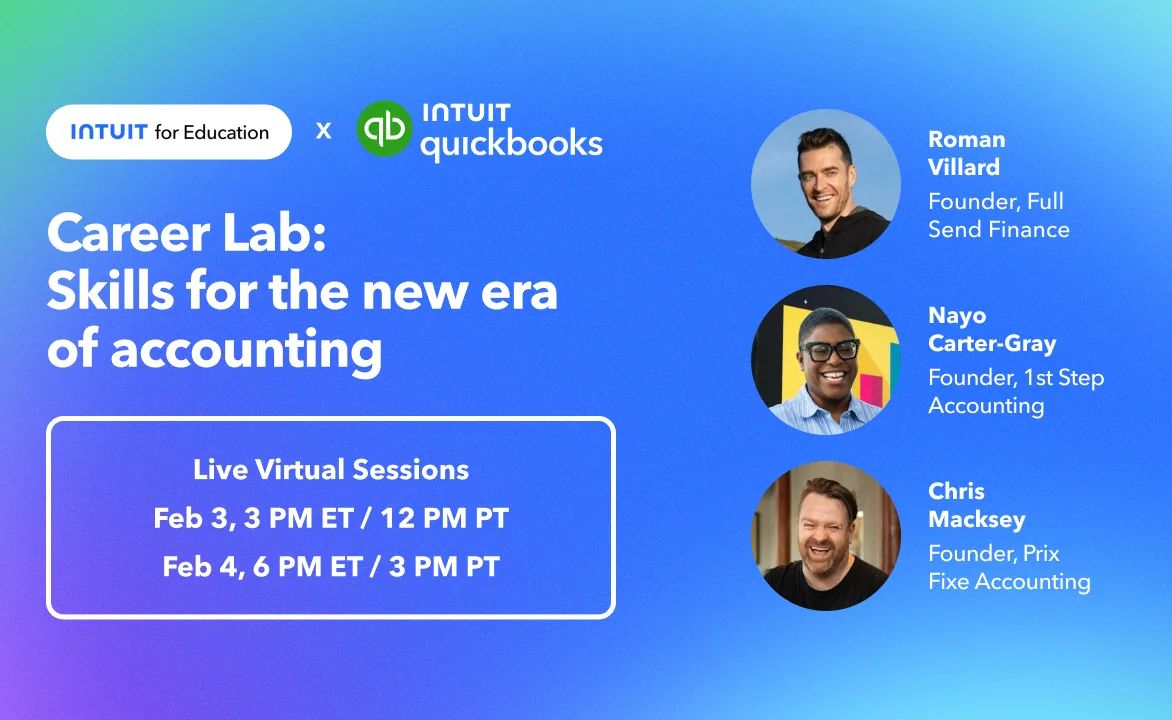
As the profession evolves, resources like Intuit’s Career Lab are designed to bridge the gap between academic theory and the high-value advisory skills now required. By focusing on these emerging competencies, the program helps ensure the next generation of accountants enters the workforce as strategic partners ready for an AI-augmented landscape.
This custom content is sponsored by Intuit for Education and developed by Inside Higher Ed's sponsored content team. The editorial staff of Inside Higher Ed had no role in its creation.

 Built with Shorthand