

Student Success Pushes Florida Atlantic Up the College Rankings
Washington Monthly’s list rewards universities for contributions to the public good.
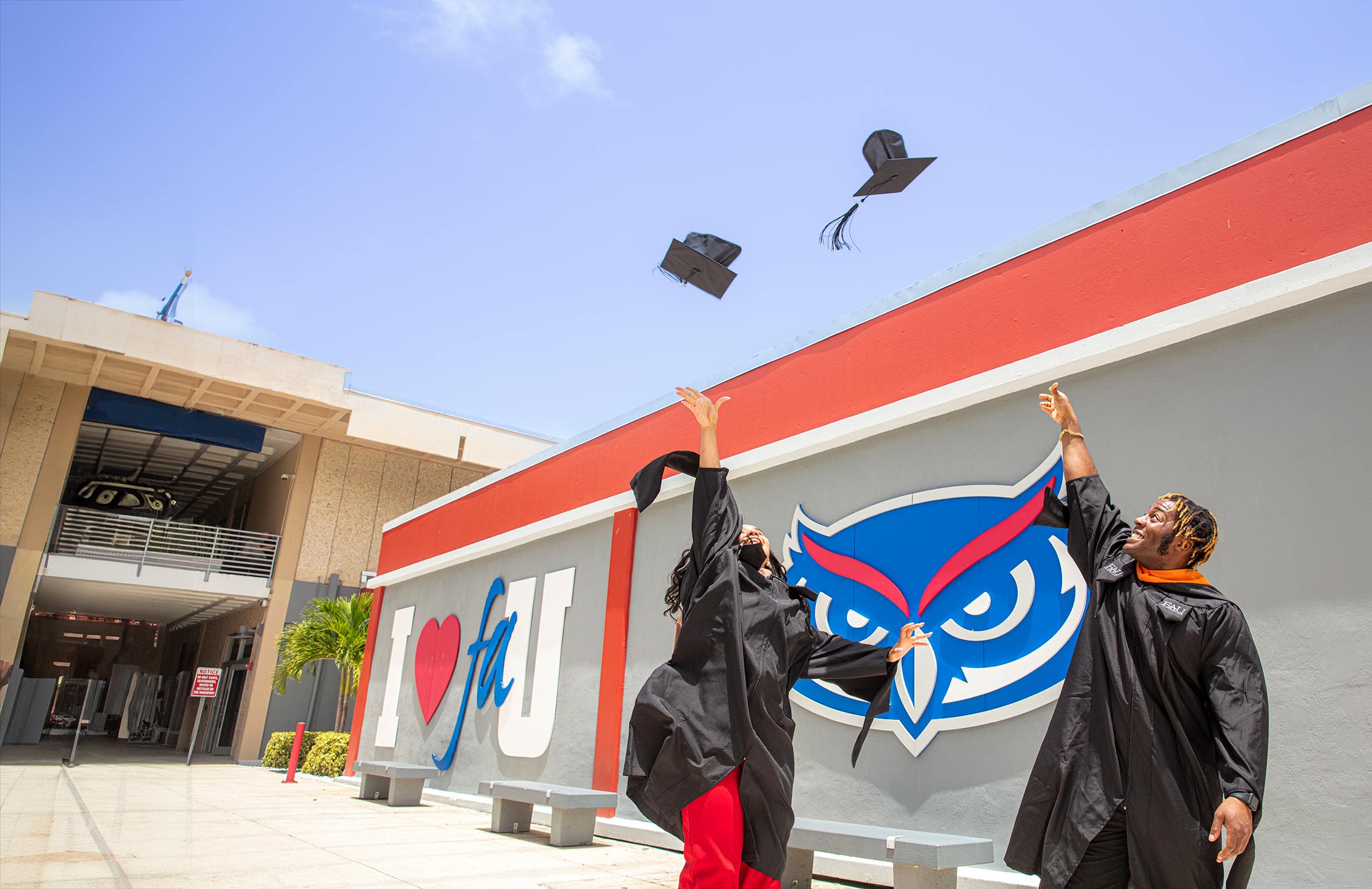

Florida Atlantic University graduate Samantha Zaninelli is becoming familiar with firsts.
She was the first member of her family to attend college and first to earn her diploma, graduating in 2023 with a bachelor’s degree in neuroscience, cognition, and behavior.
In 2022, while working her way through Florida Atlantic, Zaninelli was one of the first two students from the university to receive the prestigious Barry Goldwater Scholarship, the most highly regarded national STEM research fellowship for undergraduate students. That was the first of three consecutive years that at least two Florida Atlantic students were named Goldwater Scholars.
That type of research success should not be a surprise. Florida Atlantic has placed a significant emphasis on research across the university, and the success is clear. Its research contributions helped propel Florida Atlantic up Washington Monthly’s 2024 rankings of the best universities to 41st, a five-spot jump from 2023.
The rankings evaluate more than 400 public and private national universities based on three metrics that focus on what schools and their students do for their communities and country:
- Research.
- Social mobility.
- Public service.
Florida Atlantic also moved up to No. 6 — a seven-spot increase — in Washington Monthly’s Best Bang for the Buck: Southeast list. The Best Bang for the Buck lists rank the Top 50 schools in each region based on how well they help low- to moderate-income students earn degrees at affordable prices and achieve upward economic mobility.
“Florida Atlantic’s rise in the rankings is a testament to our commitment to offer an accessible, high-quality education,” said Florida Atlantic President Stacy Volnick, Ph.D. “We are proud of the efforts of everyone involved in the success of our students and honored to be recognized by Washington Monthly for this achievement.”
How Florida Atlantic earned its spot on the 2024 list is a lesson in how to use education for public good.

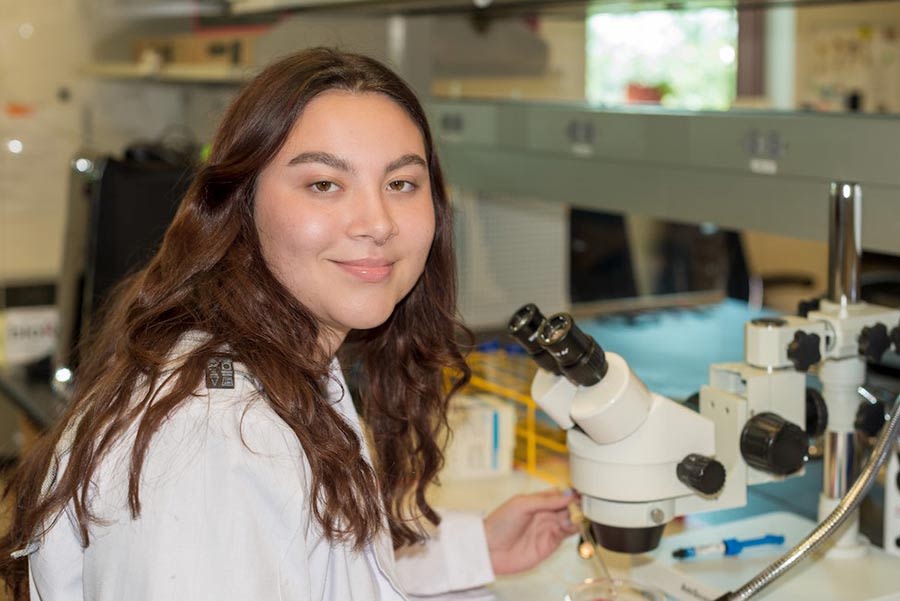
Samantha Zaninelli
Samantha Zaninelli
Research
Donna Chamely-Wiik, Ph.D., is Florida Atlantic’s associate dean for undergraduate research and prestigious fellowships, and an associate scientist in the Department of Chemistry and Biochemistry. She was overjoyed to see research contribute to the school’s climb up the rankings.
“I am proud that our institution has invested in a culture of research and inquiry where faculty-mentored undergraduate research has become a cornerstone experience, both within and outside the curriculum,” she said. “I am proudest of our students who challenge themselves to address complex challenges through curiosity, inquiry, and research.”
That includes students like Zaninelli. While at Florida Atlantic, her research focused on behavioral neuroscience and was done under the guidance of Erik Duboué, Ph.D., assistant professor of biology in the Harriet L. Wilkes Honors College.
In addition to the Goldwater honor, Zaninelli was selected as one of only four students to be part of the National Institutes of Health’s (NIH)-URISE training program, which promotes diversity in science and prepares them for graduate school.
That preparation worked.
Today, Zaninelli is a second-year graduate student in the neurobiology and behavior Ph.D. program at Columbia University in New York City.

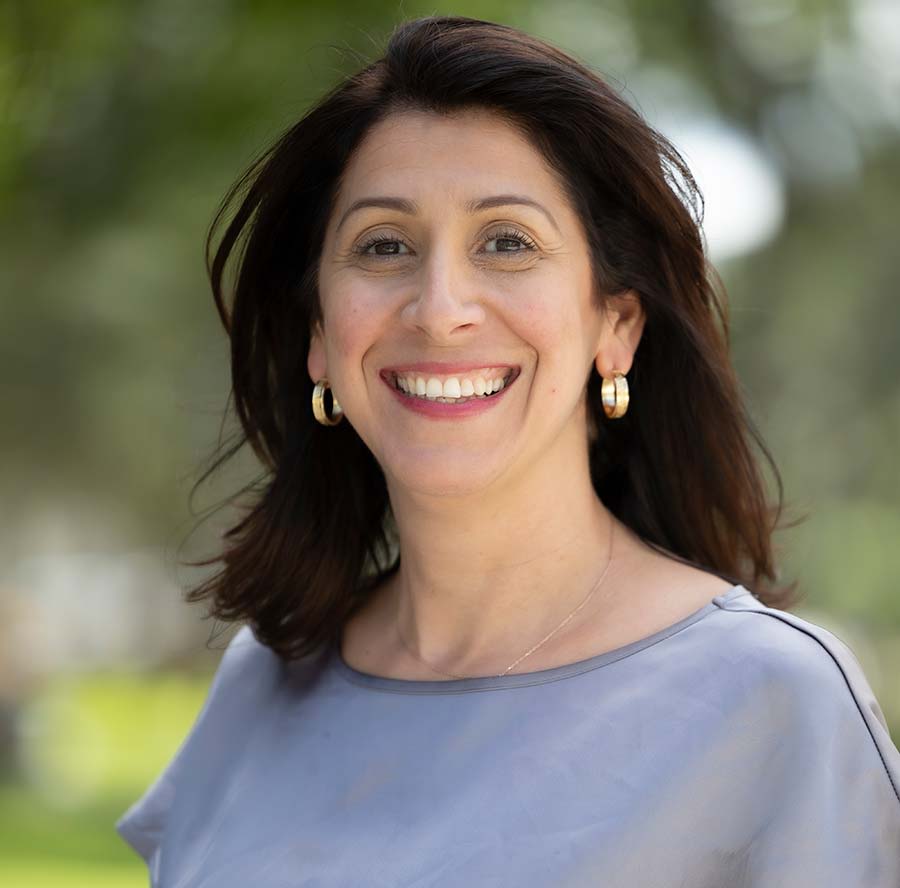
Donna Chamely-Wiik, Ph.D., Florida Atlantic’s associate dean for undergraduate research.
Donna Chamely-Wiik, Ph.D., Florida Atlantic’s associate dean for undergraduate research.
Chamely-Wiik said the passion Zaninelli shows for research permeates throughout Florida Atlantic. She lauded the university for engaging new and transfer students in research the moment they start their degree programs. The university’s partnership with federally funded training programs such as the National Science Foundation’s LEARN™ program and NIH-URISE is key to those efforts, she said.
Florida Atlantic established a “research intensive” course designation so faculty can integrate projects and assignments to engage students in the complete research cycle during their courses. The school also created a university-wide research certificate to support students’ efforts to become stronger undergraduate researchers.
Chamely-Wiik also praised two programs that target early engagement – one for STEM majors and one for arts, business, or humanities majors – that build students’ core skills necessary to be successful researchers.
“We’re ensuring they are equipped for lifelong success,” she said. “We’re preparing a new generation of diverse, globally competitive experts for the nation’s workforce.”

Social Mobility
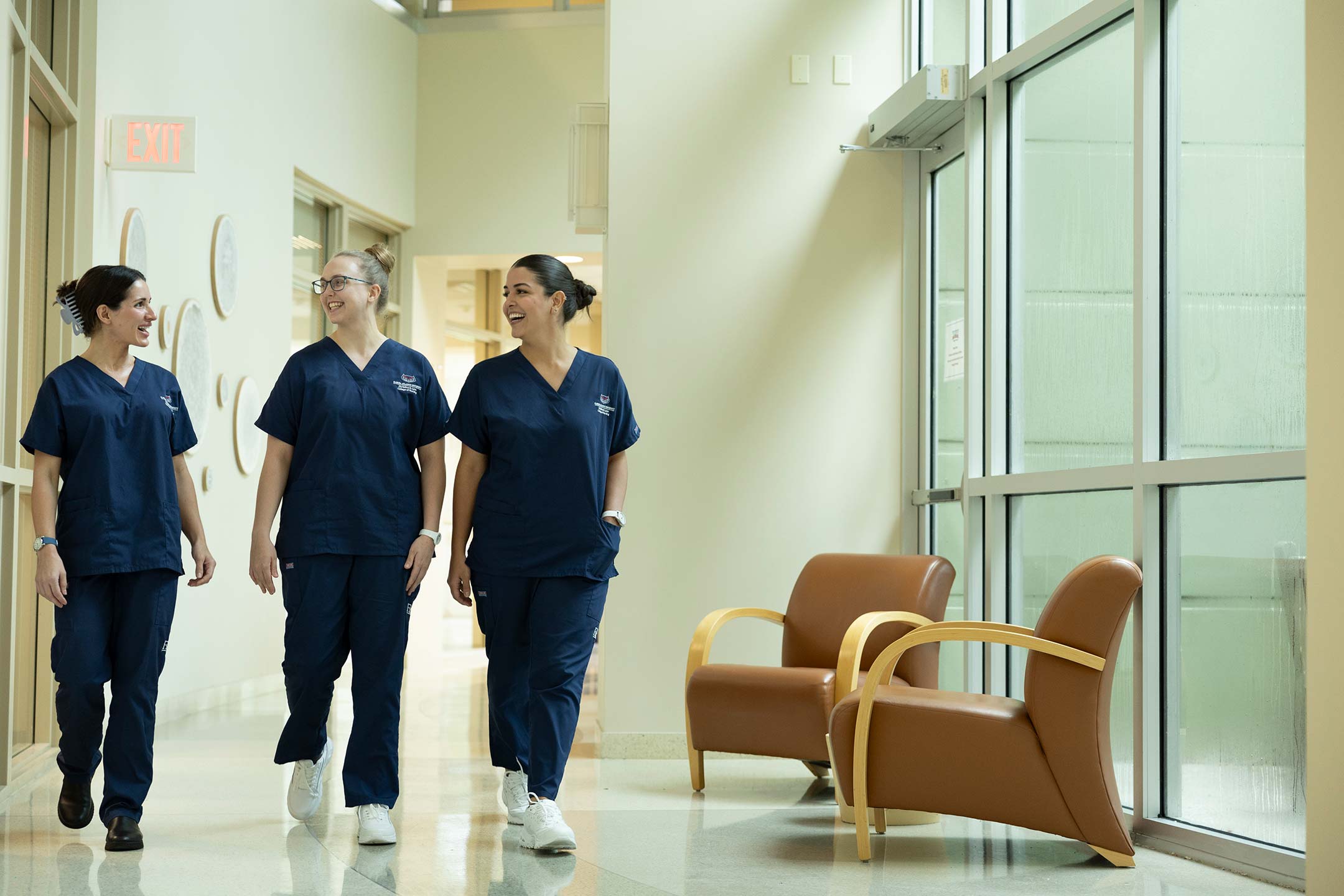
Social mobility looks at a university’s efforts to create opportunities for students from low-income homes. The metric melds the percent of students with Pell grants with the school’s graduation rate and net price. It also doubles as the metric used in the Best Bang for the Buck rankings.
Florida Atlantic’s social mobility ranking is a reflection of opportunities provided to all students, according to James Capp, Ph.D., the university’s associate vice president for strategic planning and student success.
“Our philosophy is that a rising tide lifts all boats, so our student success initiatives often have a broader audience than just Pell recipients alone,” Capp said. “We are sensitive to student needs and have a comprehensive financial aid strategy for all students.”
That strategy helps ensure students at Florida Atlantic don’t get lost among the more than 30,000 others at the university. Each student is assigned a personalized “Success Network” that includes an academic advisor, career coach, financial aid counselor, and even a librarian, all focused on helping that individual succeed.
Financial education is also part of the program, which reaches beyond Florida Atlantic students.
“Our financial wellness program educates students to live a fiscally healthy life in college and beyond,” Capp said. “Our FAFSA awareness outreach efforts are available to community organizations, high school students, guidance counselors, and not just current students, but prospective students.”
That support extends to free textbooks for students with financial needs, as well as loaner laptops and free mobile Wi-Fi hotspots.
The entirety of the efforts by Capp and his team at Florida Atlantic is to ensure smooth transitions for each student from high school to college, through their studies, and into the working world.
“A year ago, we reorganized around student success,” Capp said. “This combined our enrollment management units with undergraduate studies in order to promote a seamless onboarding experience and sustained support throughout the academic journey to timely graduation.”

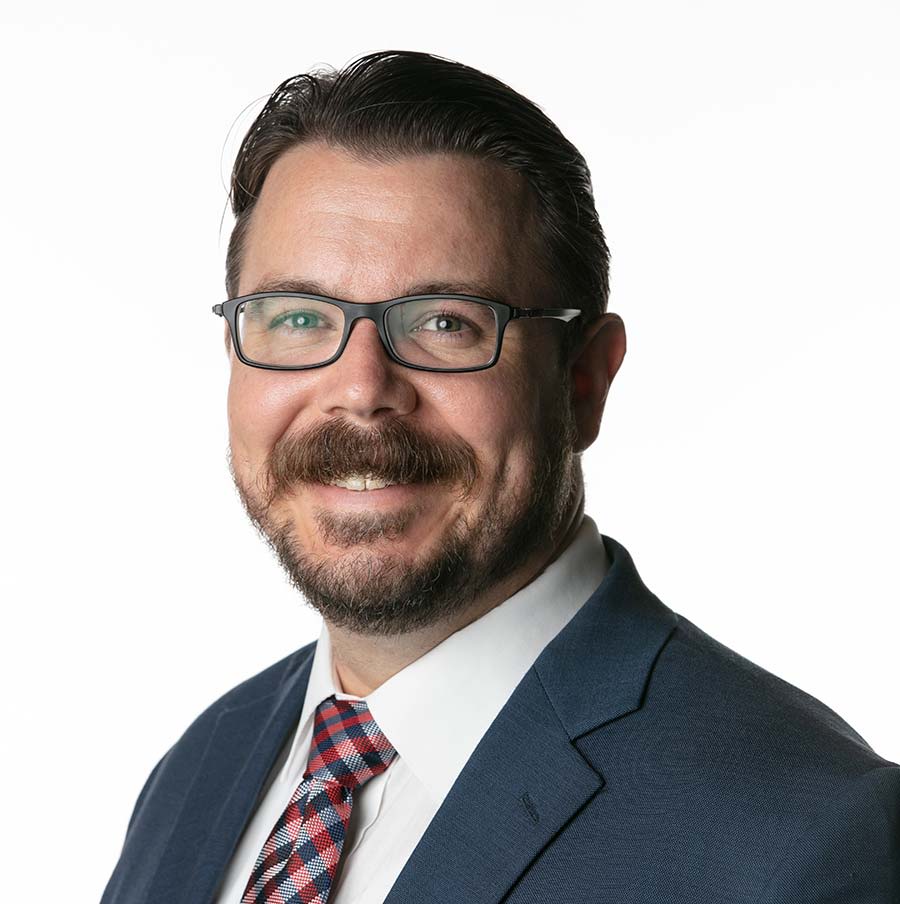
James Capp, Ph.D., associate vice president for strategic planning and student success
James Capp, Ph.D., associate vice president for strategic planning and student success

Social mobility
Social mobility looks at a university’s efforts to create opportunities for students from low-income homes. The metric melds the percent of students with Pell grants with the school’s graduation rate and net price. It also doubles as the metric used in the Best Bang for the Buck rankings.
Florida Atlantic’s social mobility ranking is a reflection of opportunities provided to all students, according to James Capp, Ph.D., the university’s associate vice president for strategic planning and student success.

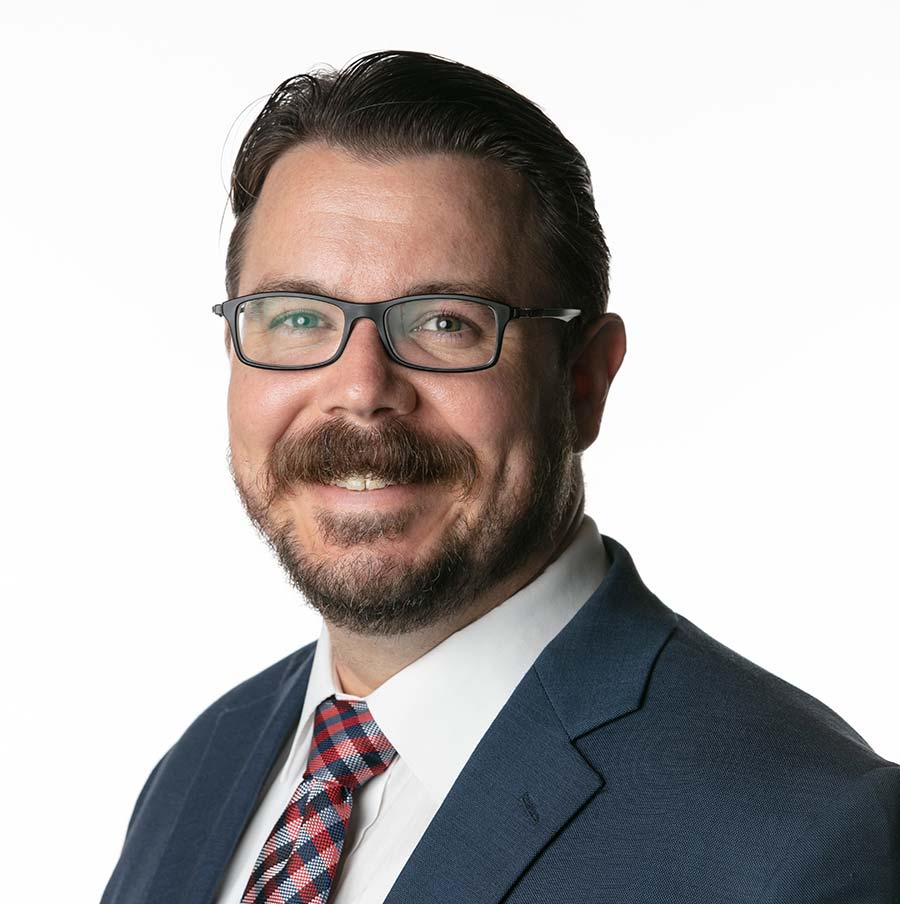
James Capp, Ph.D., associate vice president for strategic planning and student success
James Capp, Ph.D., associate vice president for strategic planning and student success
“Our philosophy is that a rising tide lifts all boats, so our student success initiatives often have a broader audience than just Pell recipients alone,” Capp said. “We are sensitive to student needs and have a comprehensive financial aid strategy for all students.”
That strategy helps ensure students at Florida Atlantic don’t get lost among the more than 30,000 others at the university. Each student is assigned a personalized “Success Network” that includes an academic advisor, career coach, financial aid counselor, and even a librarian, all focused on helping that individual succeed.
Financial education is also part of the program, which reaches beyond Florida Atlantic students.
“Our financial wellness program educates students to live a fiscally healthy life in college and beyond,” Capp said. “Our FAFSA awareness outreach efforts are available to community organizations, high school students, guidance counselors, and not just current students, but prospective students.”

That support extends to free textbooks for students with financial needs, as well as loaner laptops and free mobile Wi-Fi hotspots.
The entirety of the efforts by Capp and his team at Florida Atlantic is to ensure smooth transitions for each student from high school to college, through their studies, and into the working world.
“A year ago, we reorganized around student success,” Capp said. “This combined our enrollment management units with undergraduate studies in order to promote a seamless onboarding experience and sustained support throughout the academic journey to timely graduation.”


Public Service
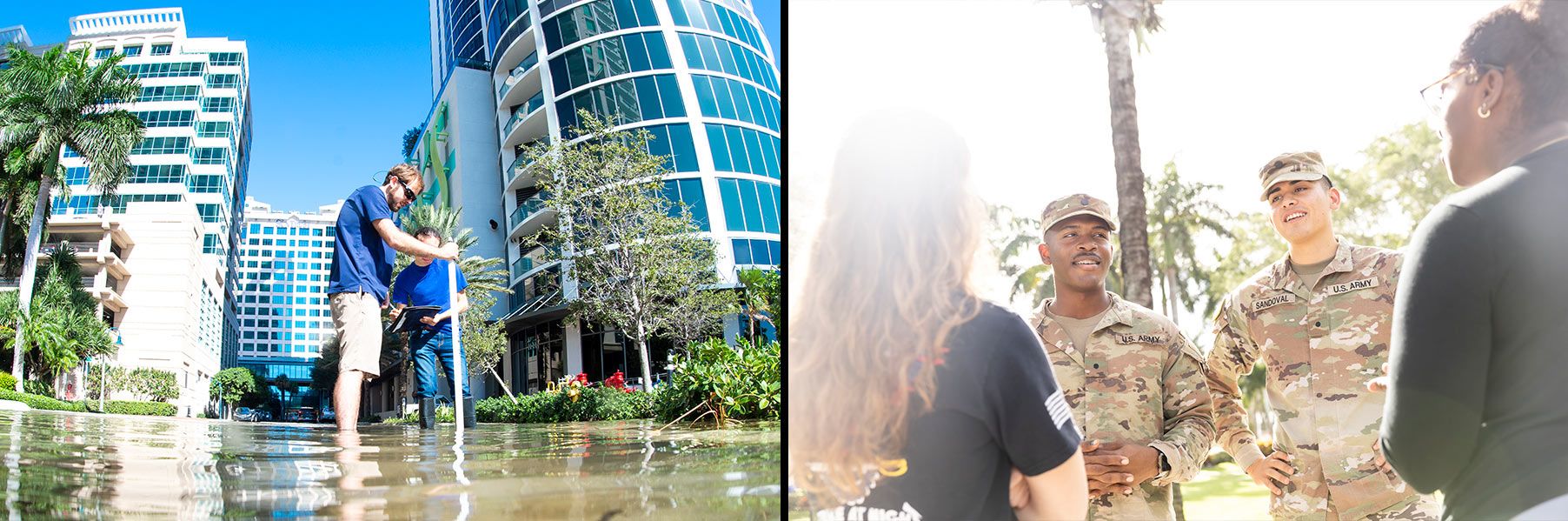
The final piece of the Washington Monthly college-ranking puzzle addresses the work students do for the community and the country. It weighs data from AmeriCorps and Peace Corps, and it includes the size of each university’s military ROTC programs. It also considers the percentage of federal work-study grant money spent on community service projects, and whether or not the school has earned the Carnegie Community Engagement Classification.
Florida Atlantic’s Weppner Center for LEAD and Service-Learning is geared toward encouraging students to give back. The center organizes Days of Service that connect students to local organizations that need helping hands. Owl Breaks, named after the school’s mascot, the burrowing owl, give students days-long immersive experiences serving different populations near and far.
In recognition of its efforts to promote civic and electoral engagement, Florida Atlantic has been designated as a “Voter Friendly Campus” since 2016. This initiative recognizes institutions that plan and implement practices that encourage students to register and vote. This was especially important to Washington Monthly’s focus on national politics and government.
The last metric in the Public Service segment is the percent of students who graduate with service-oriented majors, defined as health care, social work, and education. Florida Atlantic offers highly ranked programs in its colleges of nursing, medicine, social work, and education — and nearly 20% of the student body graduates from one of these programs.
“Regional universities are the real workhorses of higher education,” the article announcing Florida Atlantic’s ranking stated. “They serve … working-class students in search of a practical education that will prepare them for the workforce and a step up the socioeconomic ladder.”
What Comes Next
Florida Atlantic’s leaders said they aren’t content with its spot in the rankings. The university, which welcomed its first students in 1964, has achieved much in a short time, these leaders said.
And the school is just getting started.
“In just a few decades, we’ve risen in the rankings, we’ve pioneered impressive research, and we’ve more than doubled our graduation rate,” Volnick said. “None of this is a coincidence. It’s a clear vision and an intentional effort to improve the lives of every one of our students. The culture of excellence fueled by our dedicated faculty and staff is driving new achievements on a national scale, and we are proud to be recognized as a leader in student success.”


This content is paid for and provided by Florida Atlantic University and developed by Inside Higher Ed's sponsored content team. The editorial staff of Inside Higher Ed had no role in its creation.

 Built with Shorthand