

5 Proven High-Impact
Approaches to Student Success


We hear a lot about colleges and universities’ efforts to improve student success these days—in fact, the term has become something of a catchphrase. But what specific programs are really working?
One university that has been exceptionally adept at encouraging student success is the University of Georgia. It has infused innovative programs throughout its curriculum and campus life to help students integrate smoothly into college and continue to thrive until graduation and beyond.
The results speak for themselves: the university has a 94 percent first-year student retention rate, and it is one of only nine public universities in the U.S. to achieve a 90 percent six-year graduation rate. The retention and graduation rates for specific cohorts—first-generation, rural, Pell-eligible—have also improved significantly, confirming that UGA’s programs are benefitting all its students. What’s more, the university has a 95 percent career-placement rate.

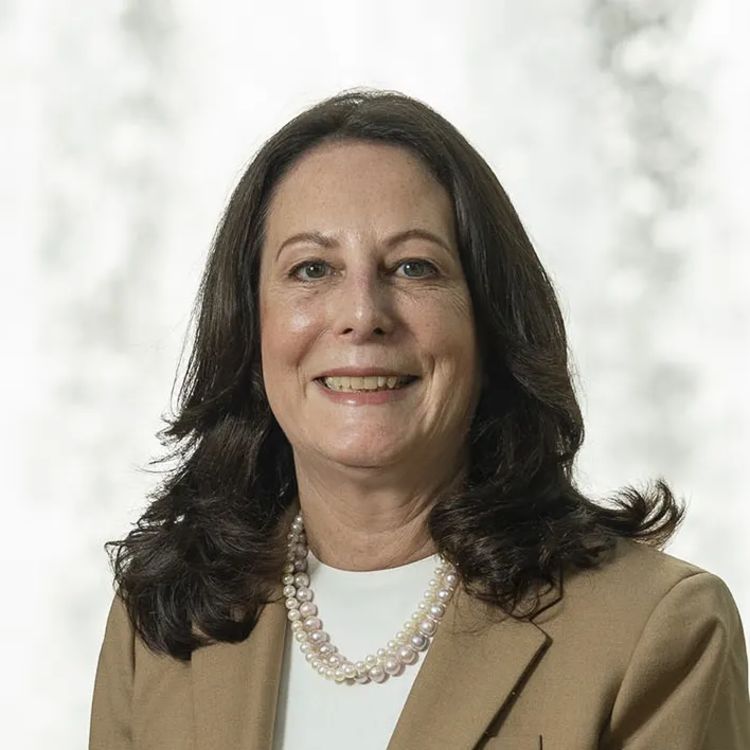
UGA’s Vice President for Instruction and Senior Vice Provost for Academic Planning Marisa Anne Pagnattaro was asked about the institution’s specific student success initiatives, how the university has achieved such strong results, and the key lessons its leaders have learned in the process that might be helpful to other higher education institutions. Among other approaches, she highlights students, faculty, community, technology, and assessment.
Q: How does the University of Georgia specifically define student success?
A: Student success at UGA means fostering engagement and a lifelong love of learning. Our programs encourage new students to connect with faculty members and peers on a magnitude that is rare among large research institutions. We require, for example, every undergraduate to take one of our First-Year Odyssey Seminars—small, faculty-led courses that ease the transition to college. Since 2011, more than 70,000 students have enrolled in hundreds of different seminars on academic subjects ranging from “An Insider’s Guide to the Supreme Court” to “Zoonotic Viral Diseases.” In addition, students must attend at least three arts and cultural events on the campus.
We also advise first-year students on how to study and learn through seminars and web-based information on a wide array of issues, like staying organized or interacting with professors. And we address students’ health and well-being by offering exercise and yoga classes as well as sessions on topics like how to set boundaries to support healthy relationships with friends and romantic partners or how to intervene if they see someone in need or trouble.
Q: What would you say particularly distinguishes UGA’s student success programs?
A: Besides the large scale of our offerings, we tailor our programs to different types of students. A case in point: we recently introduced a seminar that helps new transfer students in particular build faculty connections, discover campus resources, and engage with the institution from the very start.
We strive to reach all students where they are and whenever they need support. As a first-generation student myself, I know how crucial it is to educate students as soon as possible about available resources and where to go for help. Timing matters: free tutoring and academic coaching are most effective when students can access them before they start falling behind.
Thus, while we pay a lot of attention to new students, we recognize that we need to support and reinforce students’ success every step along their college journey. For example, with more than 32,000 undergraduates, UGA is one of the largest public universities to require every student to complete a hands-on experiential learning activity, such as an internship or study abroad. Since 2017, students have completed over 228,300 experiences, supported by $3.6 million in scholarships.
Our approach is also highly integrated. Our programs are not stand-alone offerings—they are woven together so that students see clear connections between their coursework, co-curricular activities, and career and professional development. This creates a holistic and intentional educational journey for each student.
Q: Are students coming to campuses today with different expectations and demands than a decade or two ago? For instance, they generally seem much more interested in the career aspects of higher education.
A: Yes, two major shifts stand out. Today’s students want education that clearly connects to their careers. In addition, they are seeking community more than ever— reflecting both the COVID-19 pandemic’s impact and the relentless pull of a highly digitized world. At UGA, we’re focusing on both.
When it comes to career education, employers increasingly value durable skills like analytical and creative thinking, communication, and leadership, so we’ve used an active learning approach to permeate those skills throughout the curriculum. To give just one small example, a faculty member might ask students to paraphrase part of a lesson for a specific audience in ways that are more accessible to that audience—in other words, to hone the ability to translate highly specialized information into language that clients or customers will understand.
We also prepare students for careers by making the most of our experiential learning experiences. For instance, it’s not enough for a UGA student simply to obtain an internship. They must also identify the skills and competencies they are learning in that internship by reflecting on their experiences and completing specific assignments.
We’ve also launched a Comprehensive Learner Record (CLR) to help students articulate such new skills and competencies by combining courses and activities in a validated digital credential. We introduce the CLR to new students immediately, so from day one, they can use it to start connecting their learning to potential careers.
In addition, especially motivated undergraduate and graduate students can become Student Industry Fellows, an executive-level development program with industry partners like Chick-fil-A and Delta Airlines that requires them to work on multidisciplinary teams to complete two real-world projects each semester. Graduates from the program have achieved a 100 percent job placement rate.
Q: What about building the community you have found students avidly seek?
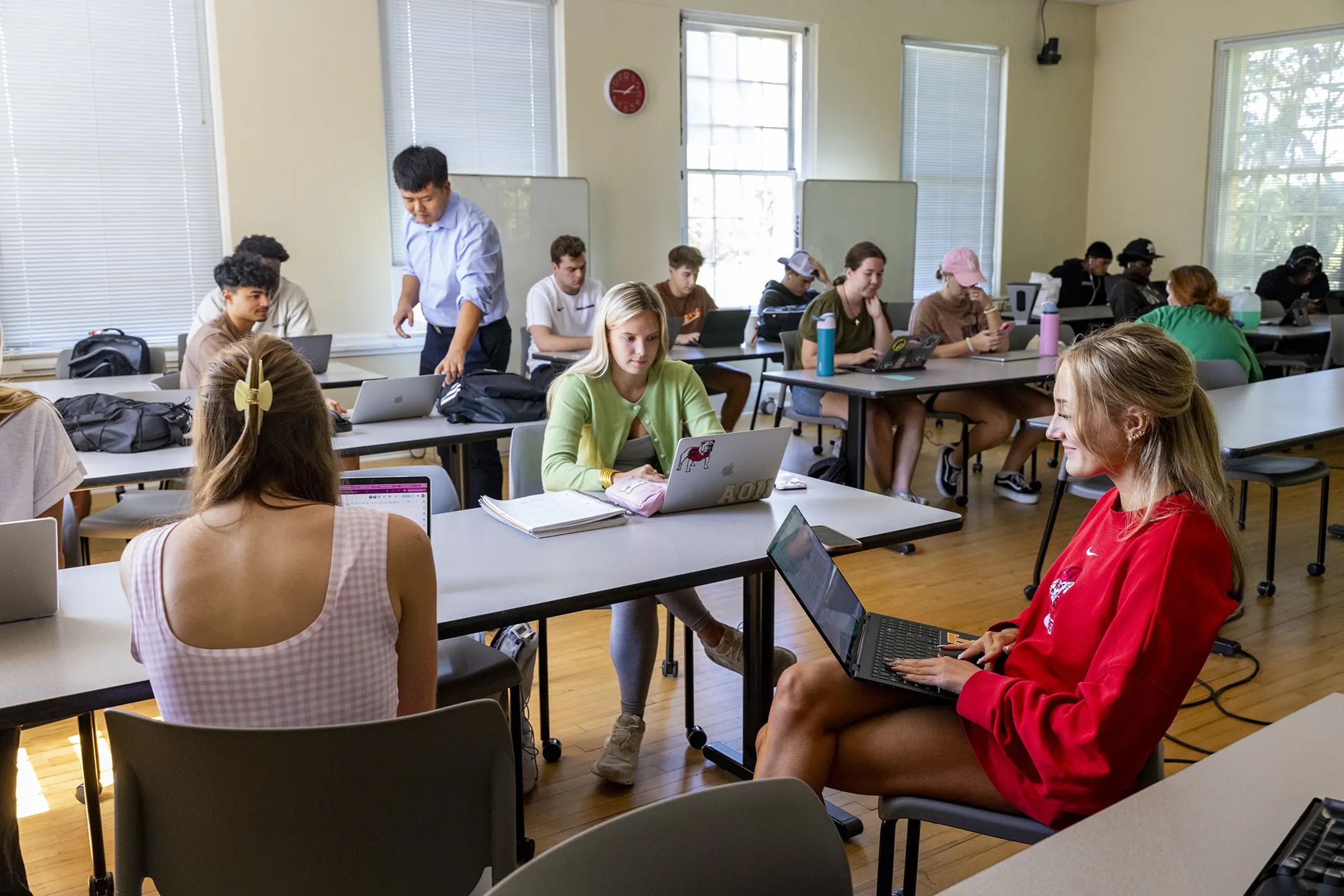
A: We believe success grows from connection as well as from coursework—hence our creation of the First-Year Odyssey Program and other offerings that enhance interaction and engagement among students both inside and outside the classroom. We’ve also trained Peer Learning Assistants (PLAs)—students who have successfully completed a course and then return to support the learning of other students enrolled in it. The PLA progam is a cornerstone of our Active Learning Initiative, which emphasizes student engagement and collaboration and leads to better content retention, improved competencies, and stronger academic outcomes. PLAs partner with the instructor to facilitate discussions and other active learning approaches in each class, especially those with large enrollments. One example of such an approach might be pausing at crucial points during a lecture to allow students to exchange notes with their classmates and discuss together information they may each have interpreted differently or missed.
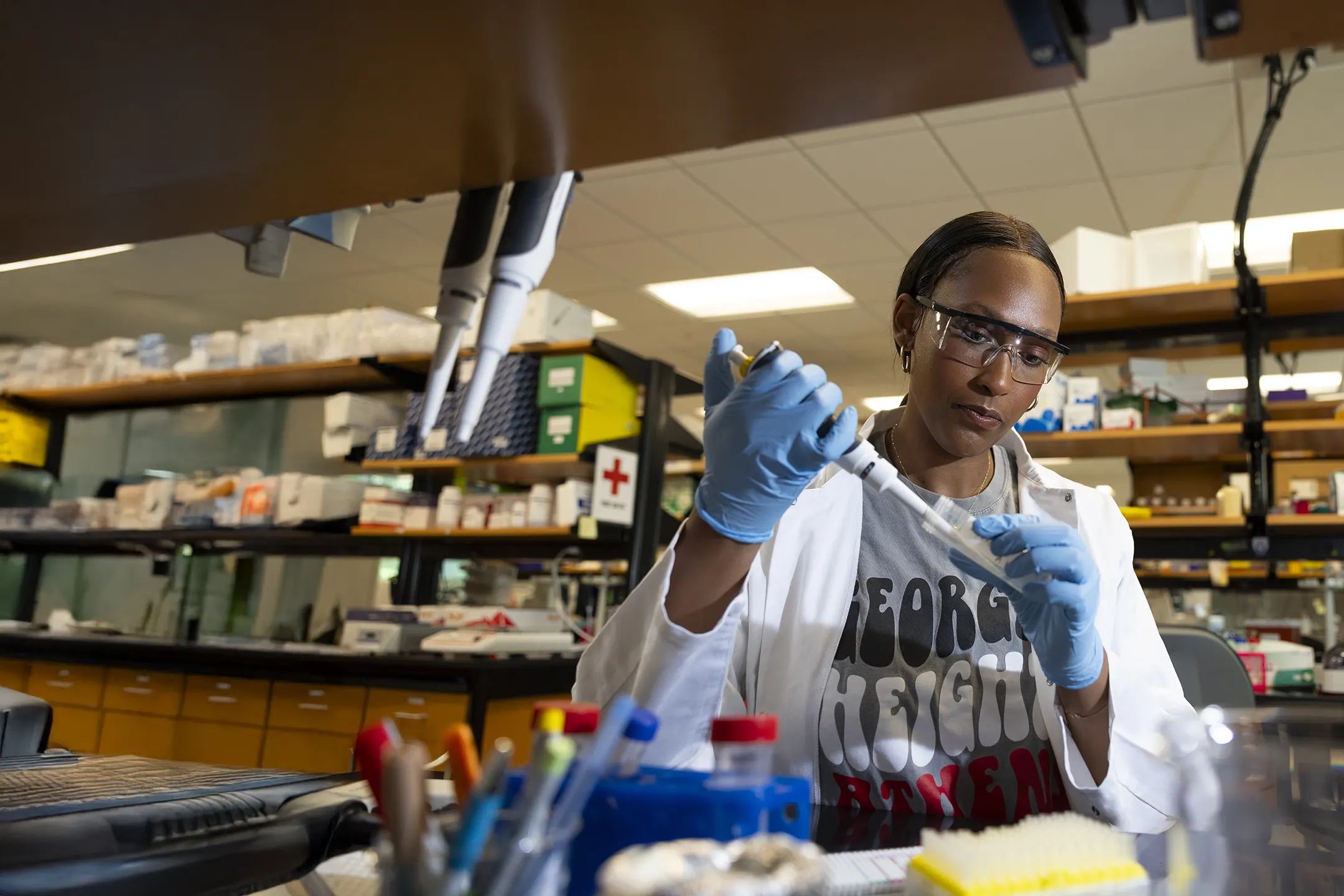
Through UGA’s Vertically Integrated Projects at Research (VIPR) program, students build lasting connections across disciplines by joining faculty-led research teams that include undergraduates, graduate students, and postdoctoral researchers. Working side by side on long-term projects, students gain experience in collaboration, innovation, and problem-solving while contributing to discoveries that have real impact.
Moreover, we emphasize students’ need to connect to the broader world community. UGA ranks No. 7 nationally in our study abroad offerings, and besides our traditional semester-long programs during the third year, those offerings now include our new and popular Connect Abroad, which provides short-term study abroad experiences to first-year students, as well.
Ultimately, these signature programs all share the goal of encouraging students to engage deeply with their coursework, communities, and future careers. Together, they combine experiential learning, active engagement, mentorship, and global awareness to prepare students for graduation and leadership in a changing world.
Q: How are technological and other societal trends like AI, for instance, impacting student success?
A: We see technology, especially AI, as an opportunity. Students can—and must—learn to use AI effectively, leveraging it to enhance learning and making more effective use of their critical thinking skills.
UGA has established a central hub as a resource for students and faculty. We’ve also launched two AI certificates this fall, one for computing and model development and another in business decision-making. Both share a strong foundation in ethics, ensuring students apply these rapidly emerging tools responsibly.
Q: What lessons have you learned in the development of these programs that you can share with other colleges and universities?
A: Every institution must develop its own programs according to the needs of its particular students. That said, based on our experiences, I’d recommend five general approaches:
- Meet students where they are. Student success programs resonate most when tailored to specific students, like our Transfer Launch Seminars. Consider specialized initiatives that meet the distinct needs of, say, rural or first-gen students on your campus.
- Engage faculty members early. Faculty buy-in is essential. Our First-Year Odyssey Seminars are thriving because instructors have been co-creators, not just participants. Participating in the program has allowed them to experiment more and think and teach outside the box of their traditional discipline.
- Prioritize community. Academic rigor paired with connection—through mentorship, peer learning, and engagement spaces—builds students’ sense of belonging, dedication, and resilience, leading ultimately to their long-term success.
- Integrate technology responsibly. Weave generative AI into the curriculum with an emphasis on critical thinking and ethics. Help students learn to use it as a tool to advance disciplinary thinking rather than as a shortcut around it.
- Build in assessment. Rubrics like the Comprehensive Learner Record ensure students can demonstrate competencies as well as allow us to measure the impact of our programs.
Again, these recommendations reflect our own experiences as well as best practices we’ve gathered from other institutions. We always seek to learn from our peers. We view student success as both a collective and continuing effort in higher education and are proud to contribute alongside them.



5 Proven High-Impact
Approaches to Student Success
We hear a lot about colleges and universities’ efforts to improve student success these days—in fact, the term has become something of a catchphrase. But what specific programs are really working?
One university that has been exceptionally adept at encouraging student success is the University of Georgia. It has infused innovative programs throughout its curriculum and campus life to help students integrate smoothly into college and continue to thrive until graduation and beyond.
The results speak for themselves: the university has a 94 percent first-year student retention rate, and it is one of only nine public universities in the U.S. to achieve a 90 percent six-year graduation rate. The retention and graduation rates for specific cohorts—first-generation, rural, Pell-eligible—have also improved significantly, confirming that UGA’s programs are benefitting all its students. What’s more, the university has a 95 percent career-placement rate.
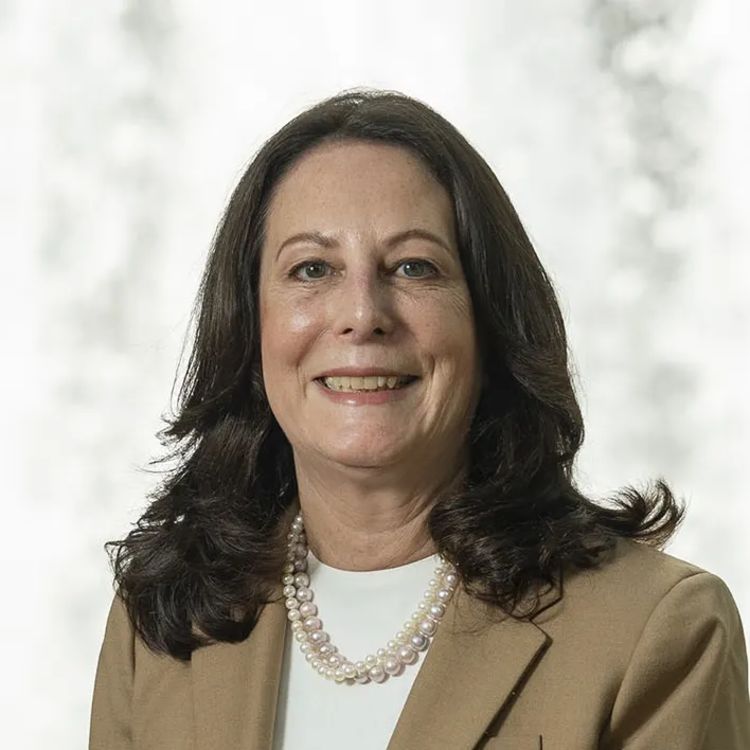
UGA’s Vice President for Instruction and Senior Vice Provost for Academic Planning Marisa Anne Pagnattaro was asked about the institution’s specific student success initiatives, how the university has achieved such strong results, and the key lessons its leaders have learned in the process that might be helpful to other higher education institutions. Among other approaches, she highlights students, faculty, community, technology, and assessment.
Q: How does the University of Georgia specifically define student success?
A: Student success at UGA means fostering engagement and a lifelong love of learning. Our programs encourage new students to connect with faculty members and peers on a magnitude that is rare among large research institutions. We require, for example, every undergraduate to take one of our First-Year Odyssey Seminars—small, faculty-led courses that ease the transition to college. Since 2011, more than 70,000 students have enrolled in hundreds of different seminars on academic subjects ranging from “An Insider’s Guide to the Supreme Court” to “Zoonotic Viral Diseases.” In addition, students must attend at least three arts and cultural events on the campus.
We also advise first-year students on how to study and learn through seminars and web-based information on a wide array of issues, like staying organized or interacting with professors. And we address students’ health and well-being by offering exercise and yoga classes as well as sessions on topics like how to set boundaries to support healthy relationships with friends and romantic partners or how to intervene if they see someone in need or trouble.

Q: What would you say particularly distinguishes UGA’s student success programs?
A: Besides the large scale of our offerings, we tailor our programs to different types of students. A case in point: we recently introduced a seminar that helps new transfer students in particular build faculty connections, discover campus resources, and engage with the institution from the very start.
We strive to reach all students where they are and whenever they need support. As a first-generation student myself, I know how crucial it is to educate students as soon as possible about available resources and where to go for help. Timing matters: free tutoring and academic coaching are most effective when students can access them before they start falling behind.
Thus, while we pay a lot of attention to new students, we recognize that we need to support and reinforce students’ success every step along their college journey. For example, with more than 32,000 undergraduates, UGA is one of the largest public universities to require every student to complete a hands-on experiential learning activity, such as an internship or study abroad. Since 2017, students have completed over 228,300 experiences, supported by $3.6 million in scholarships.
Our approach is also highly integrated. Our programs are not stand-alone offerings—they are woven together so that students see clear connections between their coursework, co-curricular activities, and career and professional development. This creates a holistic and intentional educational journey for each student.

Q: Are students coming to campuses today with different expectations and demands than a decade or two ago? For instance, they generally seem much more interested in the career aspects of higher education.
A: Yes, two major shifts stand out. Today’s students want education that clearly connects to their careers. In addition, they are seeking community more than ever— reflecting both the COVID-19 pandemic’s impact and the relentless pull of a highly digitized world. At UGA, we’re focusing on both.
When it comes to career education, employers increasingly value durable skills like analytical and creative thinking, communication, and leadership, so we’ve used an active learning approach to permeate those skills throughout the curriculum. To give just one small example, a faculty member might ask students to paraphrase part of a lesson for a specific audience in ways that are more accessible to that audience—in other words, to hone the ability to translate highly specialized information into language that clients or customers will understand.
We also prepare students for careers by making the most of our experiential learning experiences. For instance, it’s not enough for a UGA student simply to obtain an internship. They must also identify the skills and competencies they are learning in that internship by reflecting on their experiences and completing specific assignments.
We’ve also launched a Comprehensive Learner Record (CLR) to help students articulate such new skills and competencies by combining courses and activities in a validated digital credential. We introduce the CLR to new students immediately, so from day one, they can use it to start connecting their learning to potential careers.
In addition, especially motivated undergraduate and graduate students can become Student Industry Fellows, an executive-level development program with industry partners like Chick-fil-A and Delta Airlines that requires them to work on multidisciplinary teams to complete two real-world projects each semester. Graduates from the program have achieved a 100 percent job placement rate.

Q: What about building the community you have found students avidly seek?
A: We believe success grows from connection as well as from coursework—hence our creation of the First-Year Odyssey Program and other offerings that enhance interaction and engagement among students both inside and outside the classroom. We’ve also trained Peer Learning Assistants (PLAs)—students who have successfully completed a course and then return to support the learning of other students enrolled in it. The PLA progam is a cornerstone of our Active Learning Initiative, which emphasizes student engagement and collaboration and leads to better content retention, improved competencies, and stronger academic outcomes. PLAs partner with the instructor to facilitate discussions and other active learning approaches in each class, especially those with large enrollments. One example of such an approach might be pausing at crucial points during a lecture to allow students to exchange notes with their classmates and discuss together information they may each have interpreted differently or missed.
Through UGA’s Vertically Integrated Projects at Research (VIPR) program, students build lasting connections across disciplines by joining faculty-led research teams that include undergraduates, graduate students, and postdoctoral researchers. Working side by side on long-term projects, students gain experience in collaboration, innovation, and problem-solving while contributing to discoveries that have real impact.
Moreover, we emphasize students’ need to connect to the broader world community. UGA ranks No. 7 nationally in our study abroad offerings, and besides our traditional semester-long programs during the third year, those offerings now include our new and popular Connect Abroad, which provides short-term study abroad experiences to first-year students, as well.
Ultimately, these signature programs all share the goal of encouraging students to engage deeply with their coursework, communities, and future careers. Together, they combine experiential learning, active engagement, mentorship, and global awareness to prepare students for graduation and leadership in a changing world.

Q: How are technological and other societal trends like AI, for instance, impacting student success?
A: We see technology, especially AI, as an opportunity. Students can—and must—learn to use AI effectively, leveraging it to enhance learning and making more effective use of their critical thinking skills.
UGA has established a central hub as a resource for students and faculty. We’ve also launched two AI certificates this fall, one for computing and model development and another in business decision-making. Both share a strong foundation in ethics, ensuring students apply these rapidly emerging tools responsibly.
Q: What lessons have you learned in the development of these programs that you can share with other colleges and universities?
A: Every institution must develop its own programs according to the needs of its particular students. That said, based on our experiences, I’d recommend five general approaches:
- Meet students where they are. Student success programs resonate most when tailored to specific students, like our Transfer Launch Seminars. Consider specialized initiatives that meet the distinct needs of, say, rural or first-gen students on your campus.
- Engage faculty members early. Faculty buy-in is essential. Our First-Year Odyssey Seminars are thriving because instructors have been co-creators, not just participants. Participating in the program has allowed them to experiment more and think and teach outside the box of their traditional discipline.
- Prioritize community. Academic rigor paired with connection—through mentorship, peer learning, and engagement spaces—builds students’ sense of belonging, dedication, and resilience, leading ultimately to their long-term success.
- Integrate technology responsibly. Weave generative AI into the curriculum with an emphasis on critical thinking and ethics. Help students learn to use it as a tool to advance disciplinary thinking rather than as a shortcut around it.
- Build in assessment. Rubrics like the Comprehensive Learner Record ensure students can demonstrate competencies as well as allow us to measure the impact of our programs.
Again, these recommendations reflect our own experiences as well as best practices we’ve gathered from other institutions. We always seek to learn from our peers. We view student success as both a collective and continuing effort in higher education and are proud to contribute alongside them.

This custom content is sponsored by University of Georgia and developed by Inside Higher Ed's sponsored content team. The editorial staff of Inside Higher Ed had no role in its creation.

 Built with Shorthand