

The University of Georgia takes an honest look at student success
At the Student Success US 2025 event, co-hosted by THE and the University of Georgia, it was clear that effective teaching practices and inclusive instruction are essential to positive learning outcomes.
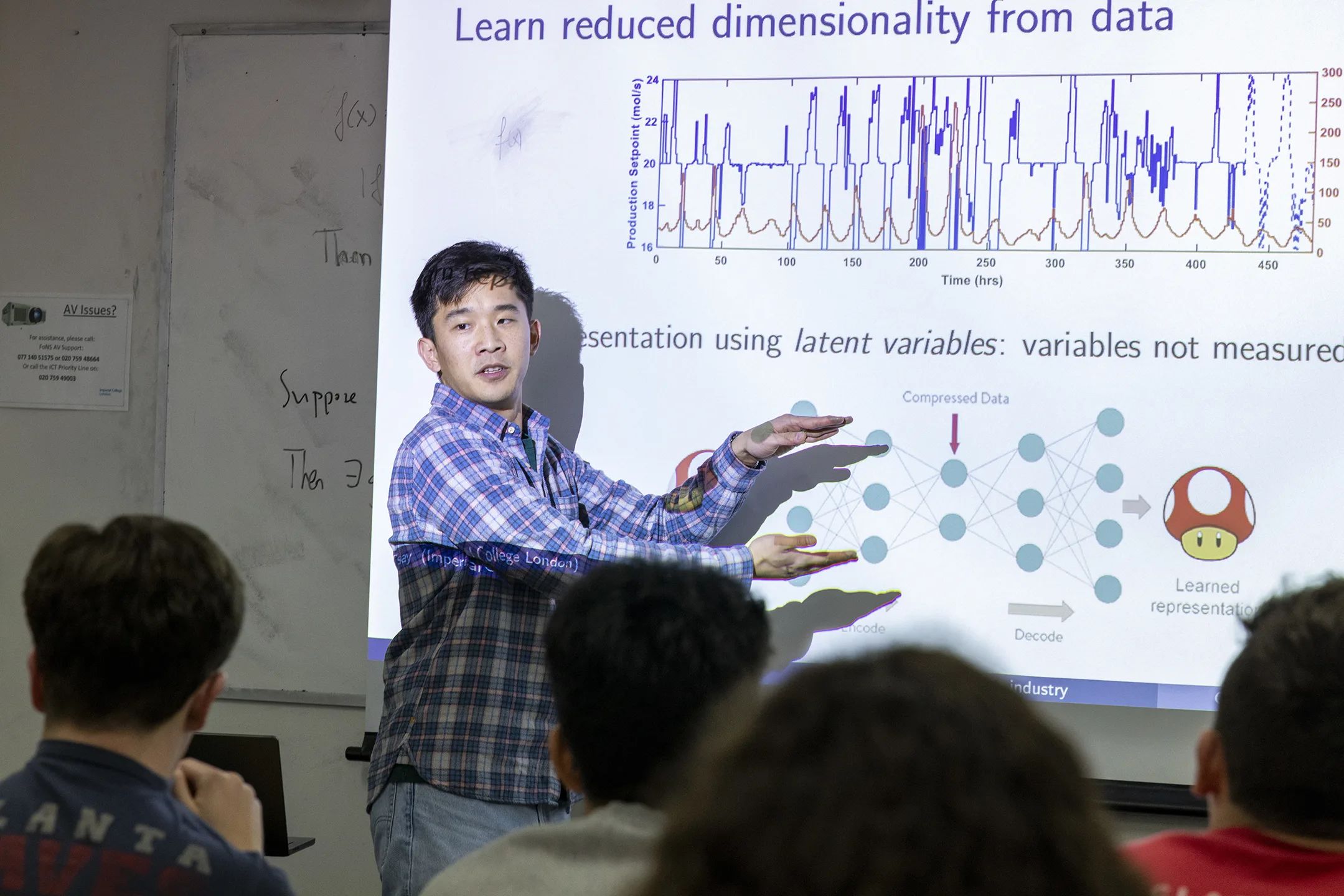

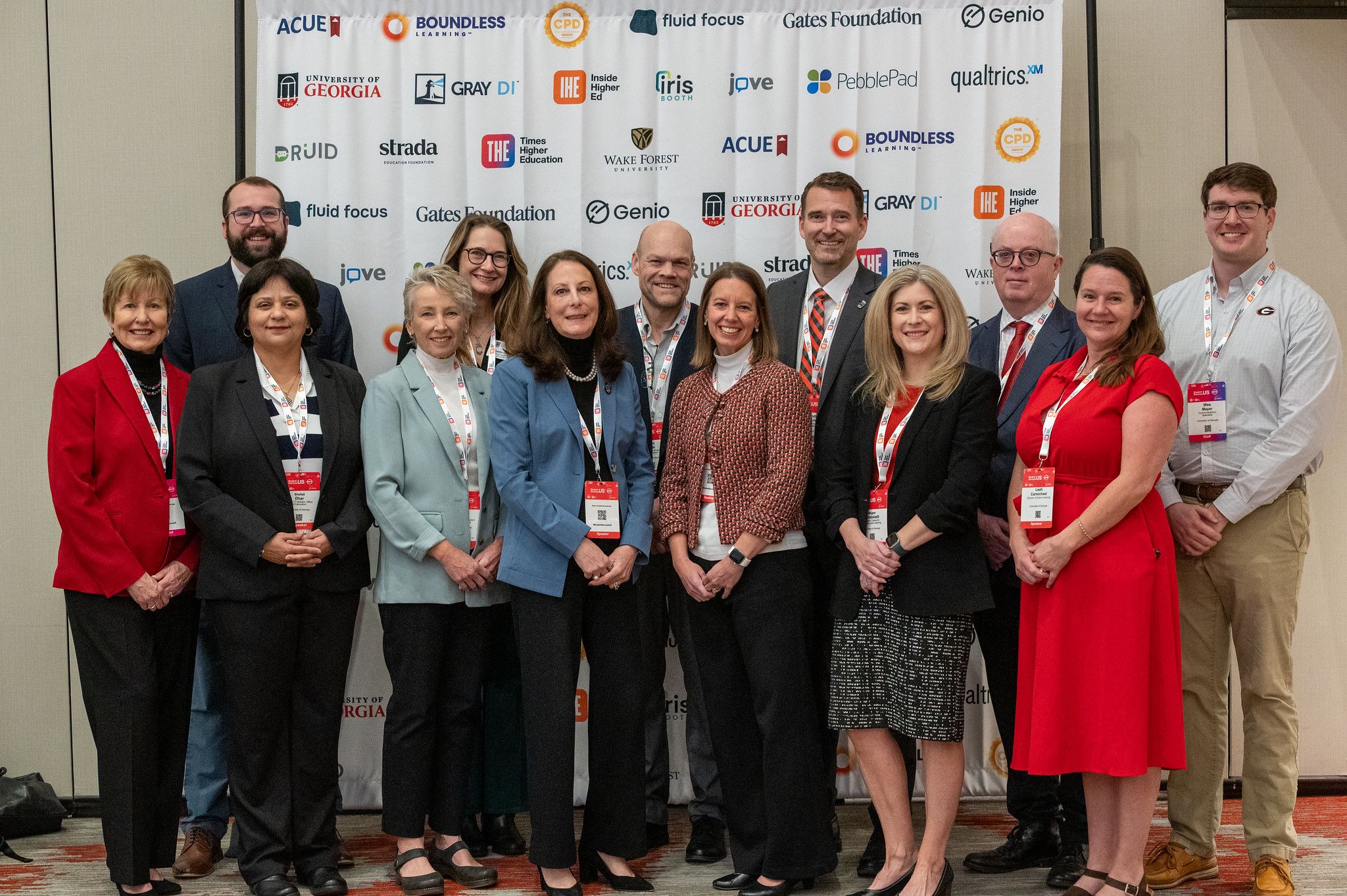
As part of a collaborative endeavor between Times Higher Education and the University of Georgia (UGA), the Student Success US 2025 event brought together the brightest minds in academia to redefine the student journey. Supported by Inside Higher Ed and the National Higher Education Teaching Conference, the forum moved beyond theory to explore the reality of education policy, scaling comprehensive support from enrollment to graduation, and the evolution of inclusive, high-impact instruction.
During the event, one of the sessions, titled “Making experience part of the degree: UGA’s approach to real-world learning”, explored how UGA has successfully integrated experiential learning as a mandatory graduation requirement for its 32,000 undergraduate students. The session speakers outlined the shift from discipline-based to skill-based hiring and how the university uses scale, data and collaboration to ensure student success. “If there’s one word that I want you to keep in mind regarding our approach, that word is collaboration,” explained Andrew Potter, UGA’s director of experiential learning. “It’s the heart of the success that's been taking place at UGA over roughly the last 10 years.”
That success is also driven by the institution’s clear focus on outcomes—70 percent of graduating students at UGA complete two or more experiential learning involvements during their studies, leading to higher starting salaries and multiple job offers. Intentional programming, such as the university’s first-year study abroad initiative, also helps ensure students are engaged with these experiences as early as possible.
“We know that if students get experiential learning early, they tend to do more and it’s scaffolded,” explained Annelise Chick, senior manager for marketing and experiential learning fund management at UGA. “Maybe they’re a little nervous at first, so they dip their toe into something and then they build that confidence.” Kay Stanton, assistant director of operations at UGA’s office of experiential learning, agreed: “We couldn’t do any of this without collaboration across campus. Our study abroad office really held our hands the first year because we had no background with this.”

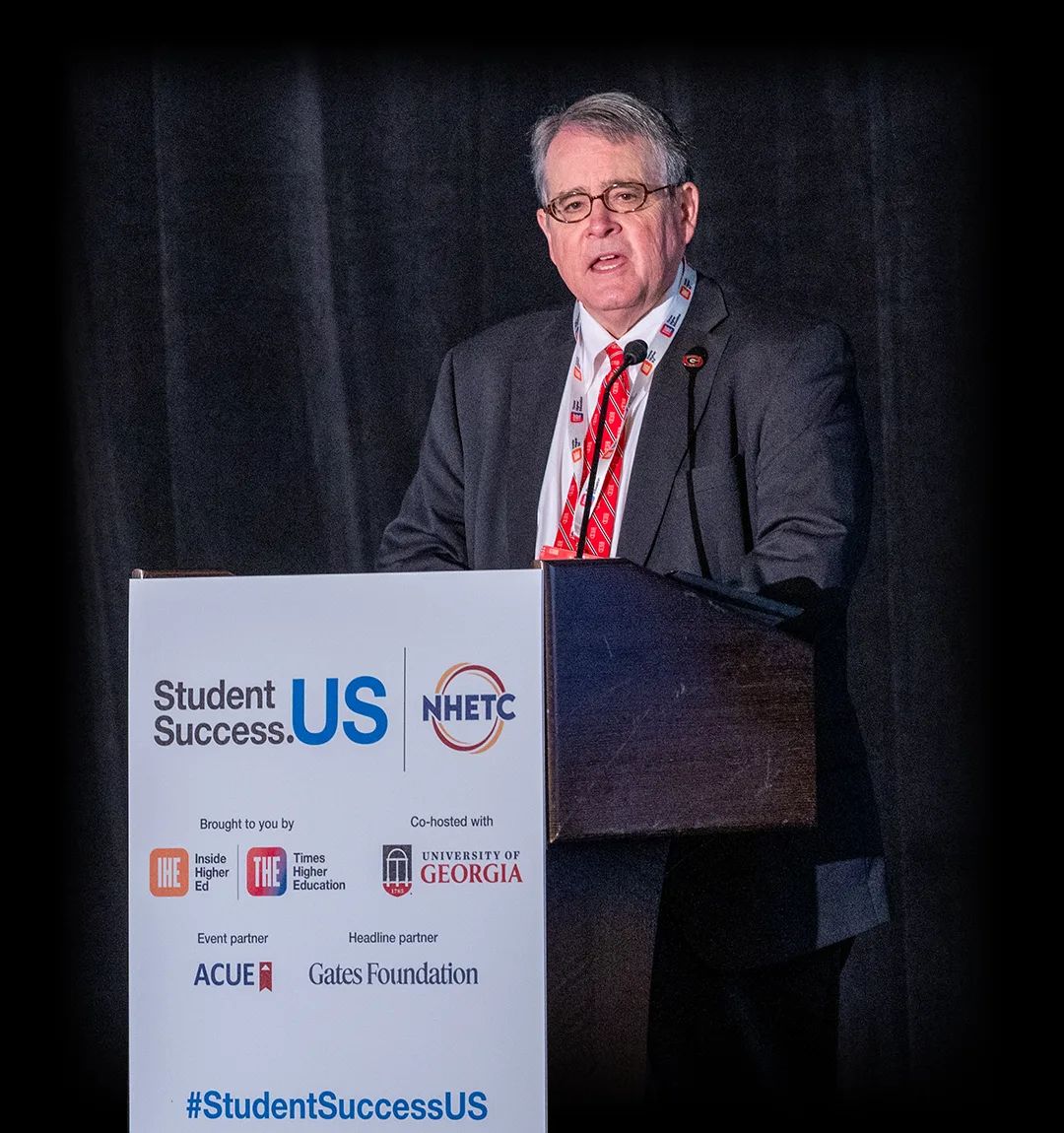
Of course, the value of experiential learning is just one of the recent developments to have impacted both higher education and the workplace. Another session at the event was titled “Rules of engagement: Promoting focus and community in the classroom.” This session explored the importance of creating environments where students are intellectually invested in their learning. “When students experience clarity, connection and compassion in their courses, they're more likely to persist, participate and thrive,” said Megan Mittelstadt, assistant vice president for learning initiatives and director of UGA’s Center for Teaching and Learning.
But fostering engagement is about much more than retention. UGA’s Active Learning initiative focuses on faculty development, transitioning instructors from lecturers to facilitators, space renovations, removing physical barriers to facilitate greater collaboration. It’s an approach built on placing students at the center of the classroom, rather than academics. As Leah Carmichael, director of active learning at UGA, explained during the event, this intentional shift is designed to ensure that students are not just recipients of information, but active participants in their own development. “When we engage students as active participants in the learning process,” Carmichael noted, “we empower them to take ownership of their education, moving them from passive observers to curious, lifelong learners who are prepared for the complexities of the modern workforce.”
“I make students my co-instructor in the class,” added George Ojie-Ahamiojie, associate professor at the University of Maryland Eastern Shore. “I say, ‘Go ahead and explain to me what you have found. Don't read it, explain it.’ After the explanation, I provide examples and outcomes. I'm a facilitator, but I give my students great credit for the ideas they come up with.”
During the same session, Janaka Lewis, associate dean for curriculum and student success at the University of North Carolina at Charlotte, emphasized that reframing the relationship between student and teacher is about co-creating the right classroom culture, one not based on a “one-size-fits-all” mandate, but driven by a series of intentional conversations that happen before a semester even begins. “The classroom community can agree and set intentions around what the culture should be,” Lewis continued. “As a career-long faculty member, we don't always do a good job of setting norms.”
The day-zero practices that help create these norms for students were another key focus area during the event, with co-creation and low-stakes icebreakers offered as practical ways of establishing community prior to content delivery. Activities like these help transition students into the learning environment and break the pre-class stupor that can hold some learners back.
“Open each class session with an activity that draws students away from whatever they were doing before they walked into the room,” suggested Kacy Hayes, assistant dean of student success at the University of San Diego’s Knauss School of Business. “Get them to engage with one another and have some fun.”
Fostering real-world engagement in every student is an ambitious goal, but it is only half of the equation. For a university to truly succeed, high-impact practices must be paired with a sustainable enrollment model that ensures students are retained for long enough to benefit from them.
During another session at the Student Success US 2025 event, titled “Data-driven enrollment strategies: Insights and innovations at UGA”, the conversation centered on the macro-challenges of institutional growth. Andy Borst, UGA’s vice-provost for enrollment management, and Tom Mote, the university’s associate vice-president for instruction, offered a closer look at how their institution is using data to identify—and fix—the hidden bottlenecks in the student journey, from admission to graduation.
One such bottleneck concerns the pathway challenges faced by transfer students. In an ideal world, a student completes their associate degree in two years and transfers to a university to finish their bachelor’s degree in another two years, but the process is not always smooth. To create a successful pathway to graduation, Borst and Mote are tracking transfer-student data at the class level. This helps ensure that these students—who are more likely to be first-generation and from rural areas—receive help when needed to stay on track.
Using data can move universities from a reactive model (seeing a student fail at the end of a semester) to a proactive one (intervening in the first six weeks). Data can serve as the connective tissue between academic departments and student support services, ensuring that administrative friction doesn’t create a graduation delay.
“The right structure ensures that no students are falling between the cracks simply because their challenges are across academic units,” Mote said. “At UGA, advisors, faculty and student affairs professionals all work from the same data environment to identify at-risk students and align outreach.”
The insights shared throughout Student Success US 2025 made one thing clear: the path to graduation is no longer a linear track, but a complex ecosystem that requires constant, data-informed support. By examining the reality of institutional barriers, the event provided more than just a collection of success stories; it offered a diagnostic toolkit for the modern university.



The University of Georgia takes an honest look at student success
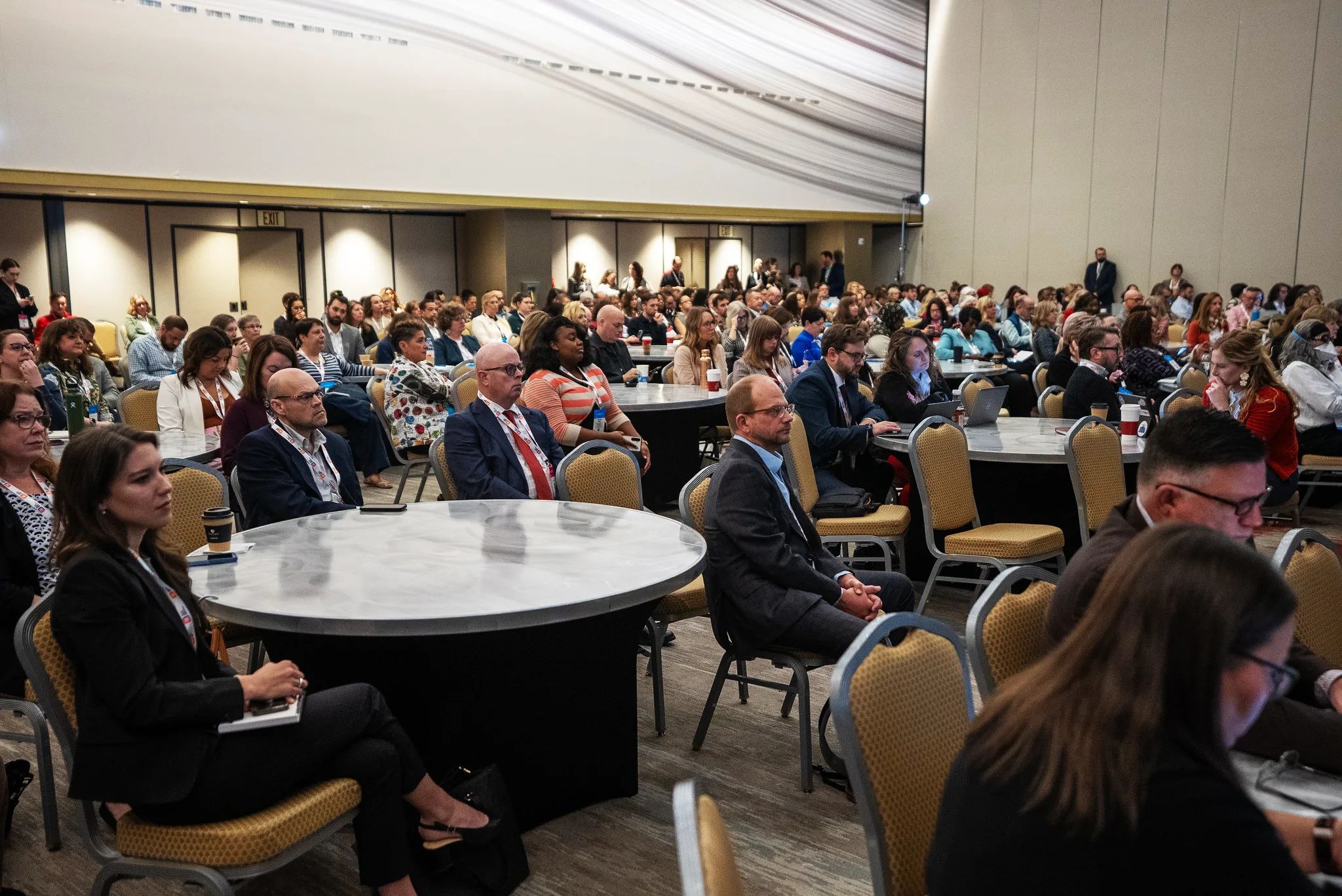
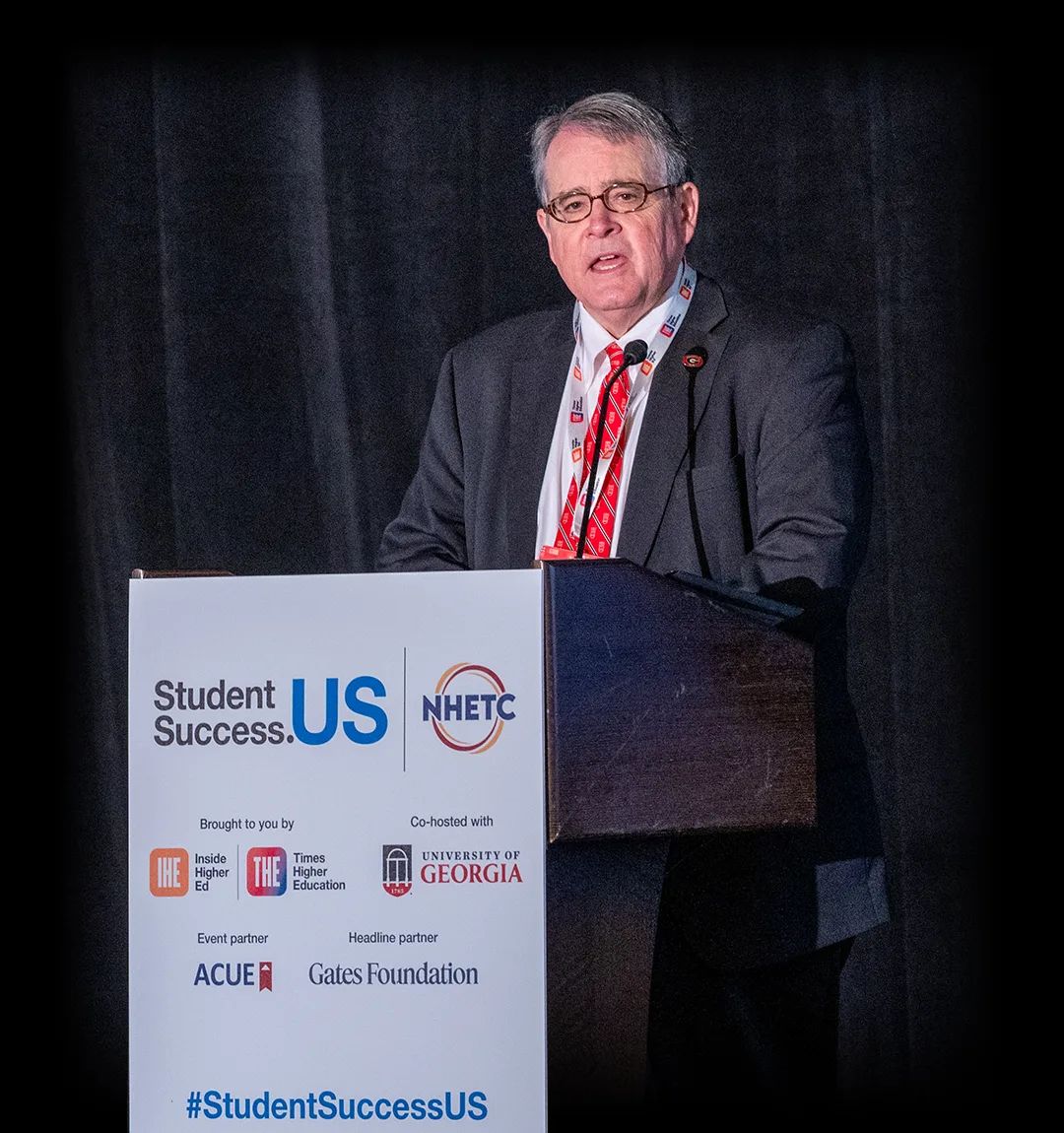
As part of a collaborative endeavor between Times Higher Education and the University of Georgia (UGA), the Student Success US 2025 event brought together the brightest minds in academia to redefine the student journey. Supported by Inside Higher Ed and the National Higher Education Teaching Conference, the forum moved beyond theory to explore the reality of education policy, scaling comprehensive support from enrollment to graduation, and the evolution of inclusive, high-impact instruction.
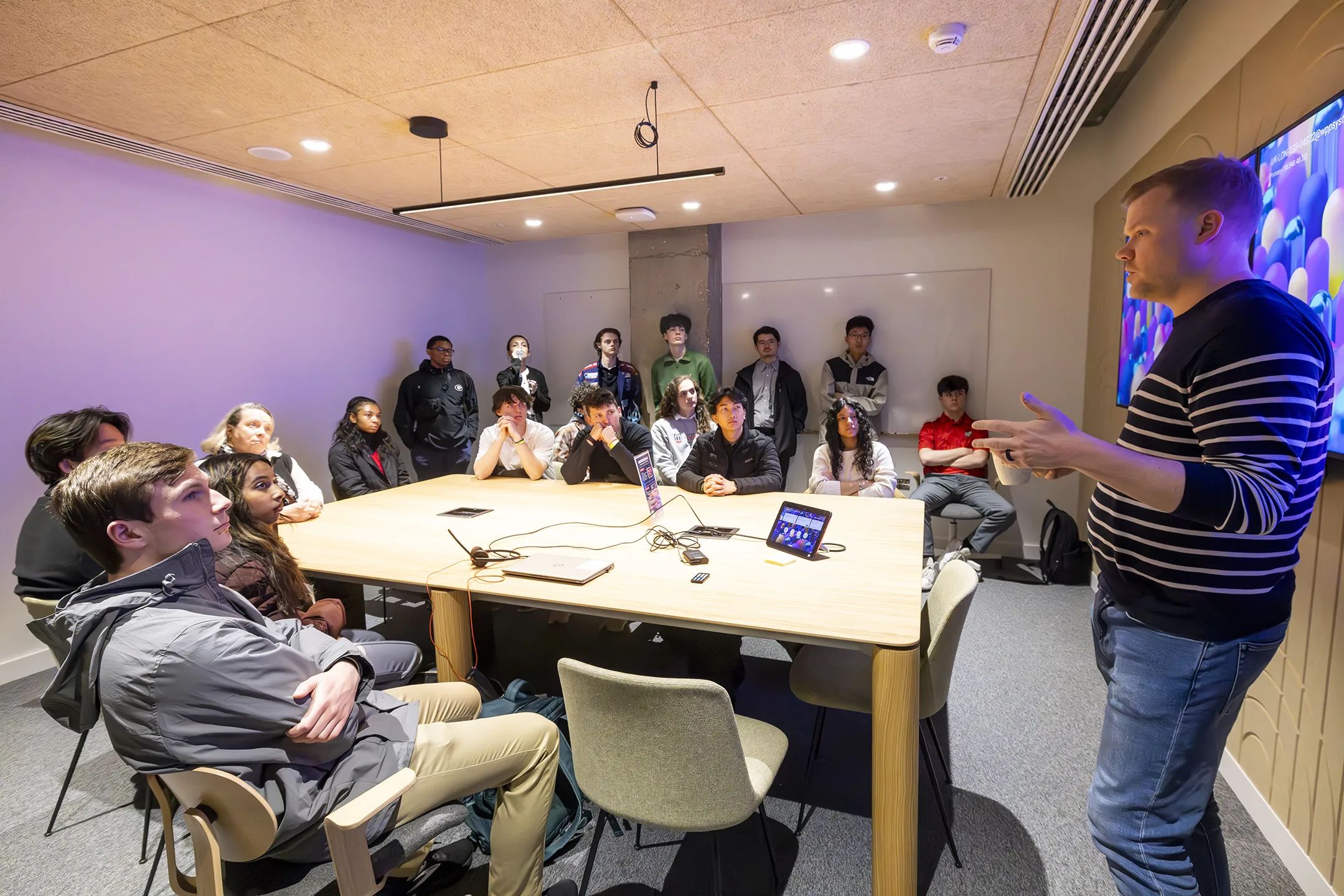
During the event, one of the sessions, titled “Making experience part of the degree: UGA’s approach to real-world learning”, explored how UGA has successfully integrated experiential learning as a mandatory graduation requirement for its 32,000 undergraduate students. The session speakers outlined the shift from discipline-based to skill-based hiring and how the university uses scale, data and collaboration to ensure student success. “If there’s one word that I want you to keep in mind regarding our approach, that word is collaboration,” explained Andrew Potter, UGA’s director of experiential learning. “It’s the heart of the success that's been taking place at UGA over roughly the last 10 years.”

That success is also driven by the institution’s clear focus on outcomes—70 percent of graduating students at UGA complete two or more experiential learning involvements during their studies, leading to higher starting salaries and multiple job offers. Intentional programming, such as the university’s first-year study abroad initiative, also helps ensure students are engaged with these experiences as early as possible.
“We know that if students get experiential learning early, they tend to do more and it’s scaffolded,” explained Annelise Chick, senior manager for marketing and experiential learning fund management at UGA. “Maybe they’re a little nervous at first, so they dip their toe into something and then they build that confidence.” Kay Stanton, assistant director of operations at UGA’s office of experiential learning, agreed: “We couldn’t do any of this without collaboration across campus. Our study abroad office really held our hands the first year because we had no background with this.”

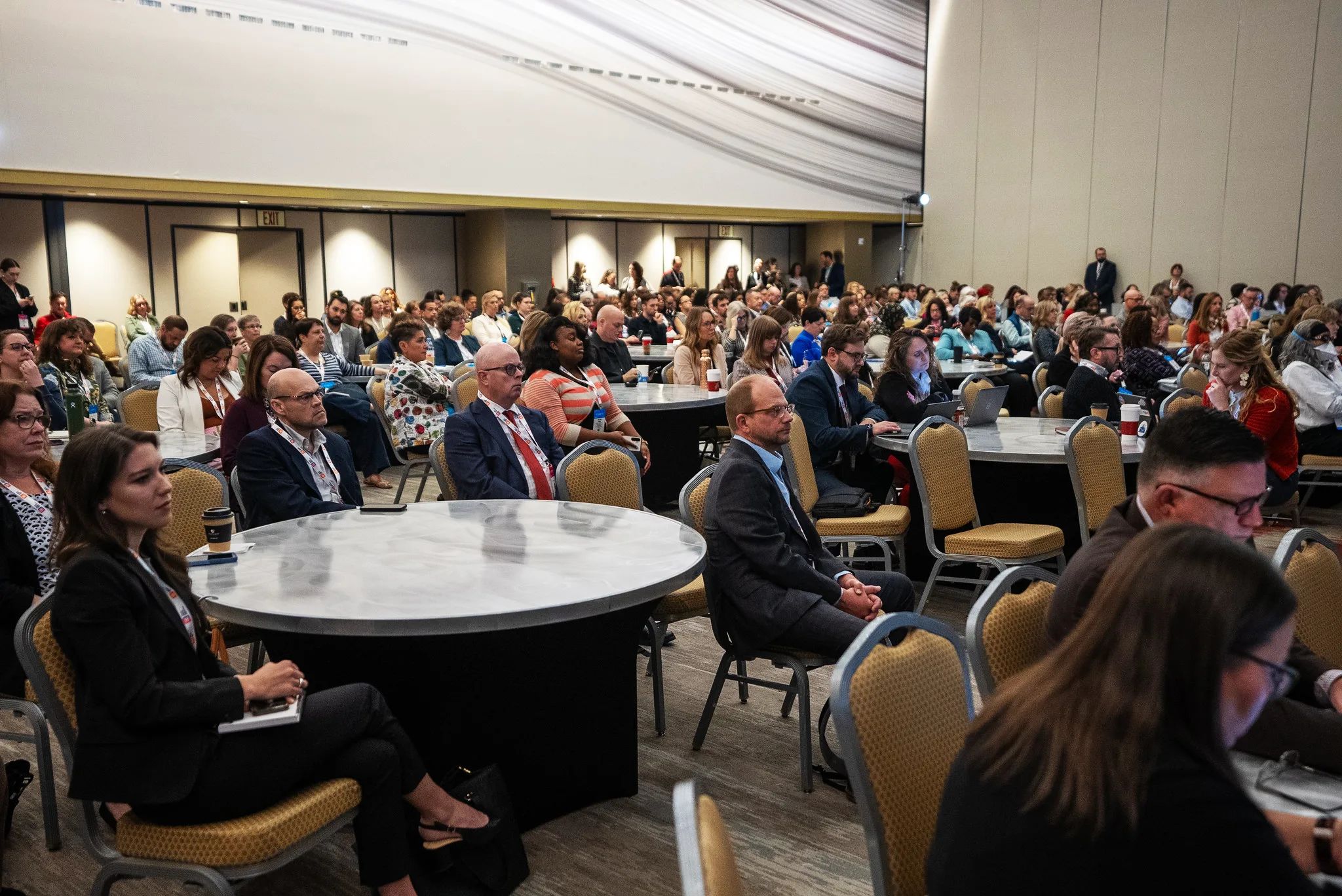
Of course, the value of experiential learning is just one of the recent developments to have impacted both higher education and the workplace. Another session at the event was titled “Rules of engagement: Promoting focus and community in the classroom.” This session explored the importance of creating environments where students are intellectually invested in their learning. “When students experience clarity, connection and compassion in their courses, they're more likely to persist, participate and thrive,” said Megan Mittelstadt, assistant vice president for learning initiatives and director of UGA’s Center for Teaching and Learning.
But fostering engagement is about much more than retention. UGA’s Active Learning initiative focuses on faculty development, transitioning instructors from lecturers to facilitators, space renovations, removing physical barriers to facilitate greater collaboration. It’s an approach built on placing students at the center of the classroom, rather than academics. As Leah Carmichael, director of active learning at UGA, explained during the event, this intentional shift is designed to ensure that students are not just recipients of information, but active participants in their own development. “When we engage students as active participants in the learning process,” Carmichael noted, “we empower them to take ownership of their education, moving them from passive observers to curious, lifelong learners who are prepared for the complexities of the modern workforce.”

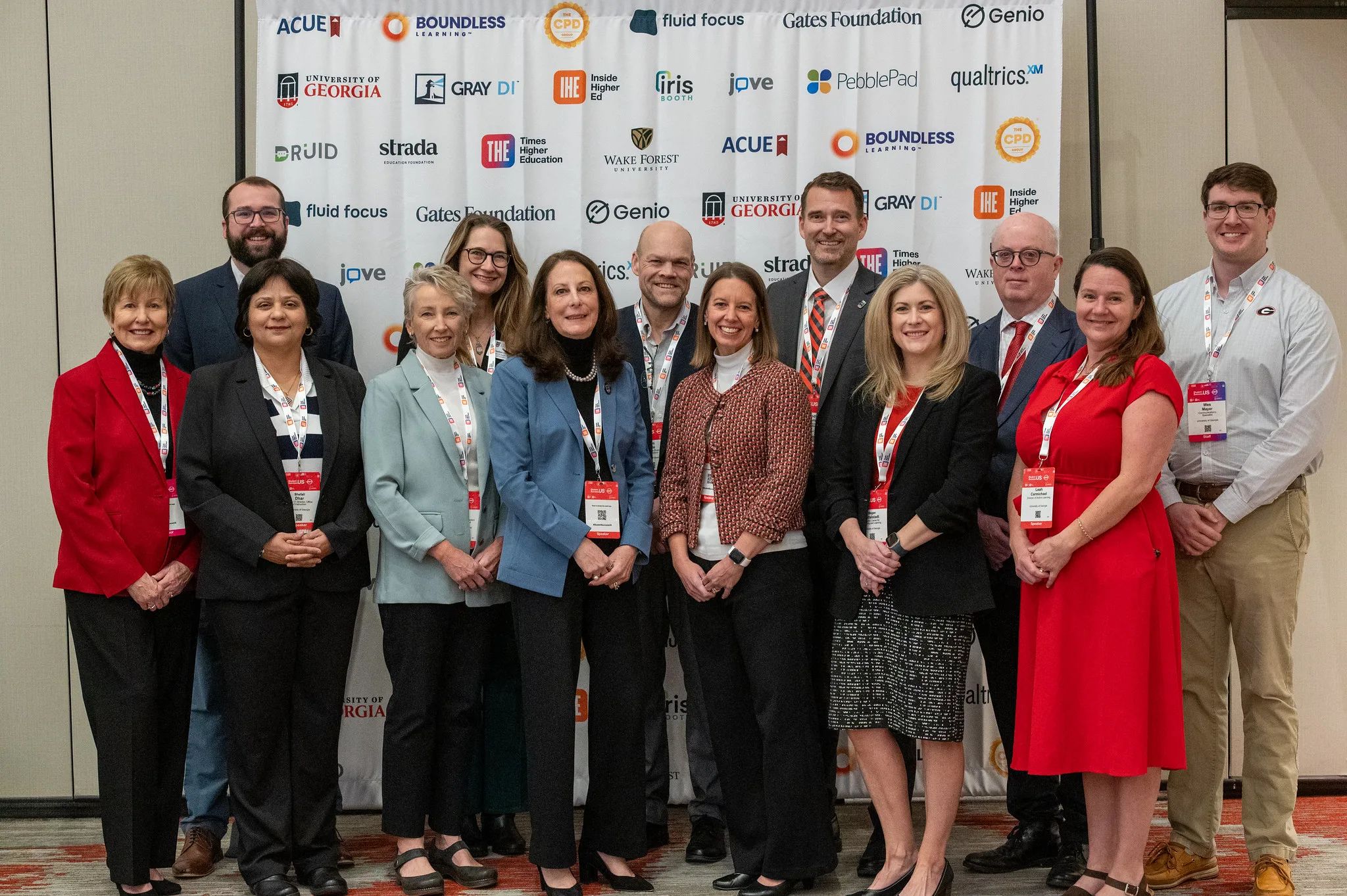
“I make students my co-instructor in the class,” added George Ojie-Ahamiojie, associate professor at the University of Maryland Eastern Shore. “I say, ‘Go ahead and explain to me what you have found. Don't read it, explain it.’ After the explanation, I provide examples and outcomes. I'm a facilitator, but I give my students great credit for the ideas they come up with.”
During the same session, Janaka Lewis, associate dean for curriculum and student success at the University of North Carolina at Charlotte, emphasized that reframing the relationship between student and teacher is about co-creating the right classroom culture, one not based on a “one-size-fits-all” mandate, but driven by a series of intentional conversations that happen before a semester even begins. “The classroom community can agree and set intentions around what the culture should be,” Lewis continued. “As a career-long faculty member, we don't always do a good job of setting norms.”

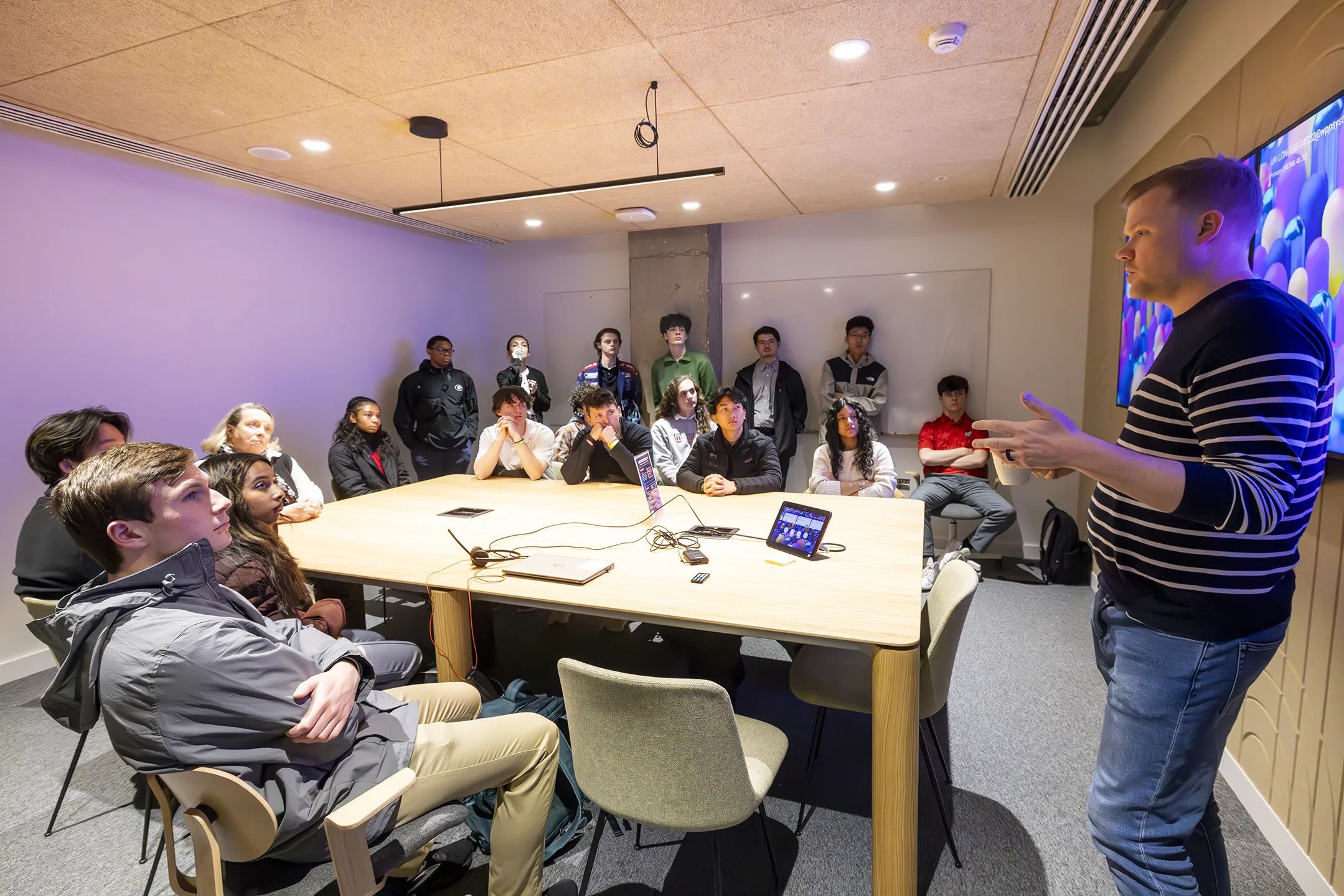
The day-zero practices that help create these norms for students were another key focus area during the event, with co-creation and low-stakes icebreakers offered as practical ways of establishing community prior to content delivery. Activities like these help transition students into the learning environment and break the pre-class stupor that can hold some learners back.
“Open each class session with an activity that draws students away from whatever they were doing before they walked into the room,” suggested Kacy Hayes, assistant dean of student success at the University of San Diego’s Knauss School of Business. “Get them to engage with one another and have some fun.”
Fostering real-world engagement in every student is an ambitious goal, but it is only half of the equation. For a university to truly succeed, high-impact practices must be paired with a sustainable enrollment model that ensures students are retained for long enough to benefit from them.

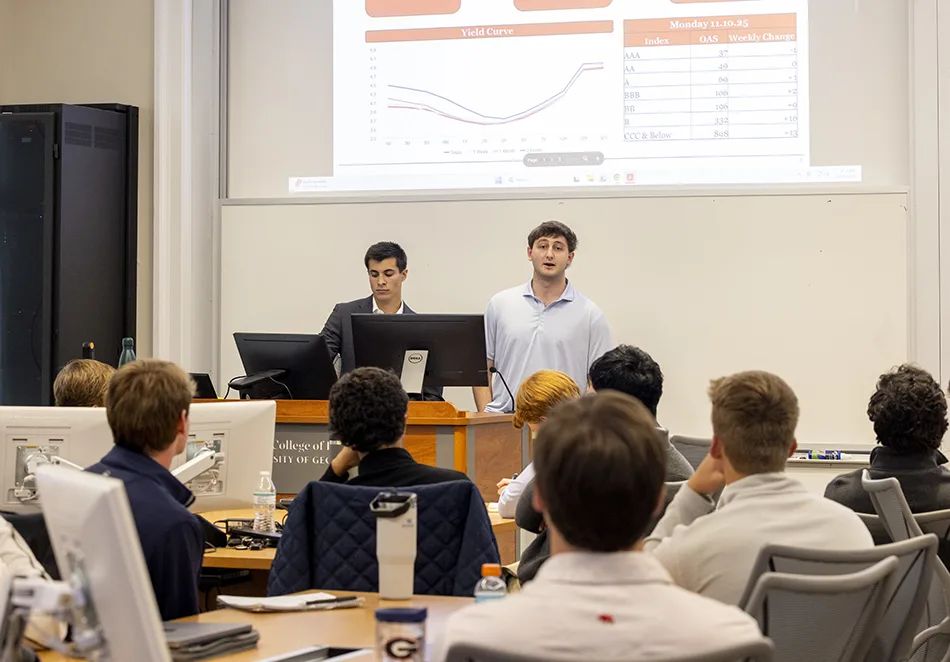
During another session at the Student Success US 2025 event, titled “Data-driven enrollment strategies: Insights and innovations at UGA”, the conversation centered on the macro-challenges of institutional growth. Andy Borst, UGA’s vice-provost for enrollment management, and Tom Mote, the university’s associate vice-president for instruction, offered a closer look at how their institution is using data to identify—and fix—the hidden bottlenecks in the student journey, from admission to graduation.
One such bottleneck concerns the pathway challenges faced by transfer students. In an ideal world, a student completes their associate degree in two years and transfers to a university to finish their bachelor’s degree in another two years, but the process is not always smooth. To create a successful pathway to graduation, Borst and Mote are tracking transfer-student data at the class level. This helps ensure that these students—who are more likely to be first-generation and from rural areas—receive help when needed to stay on track.
Using data can move universities from a reactive model (seeing a student fail at the end of a semester) to a proactive one (intervening in the first six weeks). Data can serve as the connective tissue between academic departments and student support services, ensuring that administrative friction doesn’t create a graduation delay.
“The right structure ensures that no students are falling between the cracks simply because their challenges are across academic units,” Mote said. “At UGA, advisors, faculty and student affairs professionals all work from the same data environment to identify at-risk students and align outreach.”
The insights shared throughout Student Success US 2025 made one thing clear: the path to graduation is no longer a linear track, but a complex ecosystem that requires constant, data-informed support. By examining the reality of institutional barriers, the event provided more than just a collection of success stories; it offered a diagnostic toolkit for the modern university.


This custom content is sponsored by University of Georgia and developed by Inside Higher Ed's sponsored content team. The editorial staff of Inside Higher Ed had no role in its creation.

 Built with Shorthand