

The Future of Healthcare is Here: AI in Action at UT San Antonio
5 ways the university is using AI to transform medicine – from faster diagnoses to personalized care.

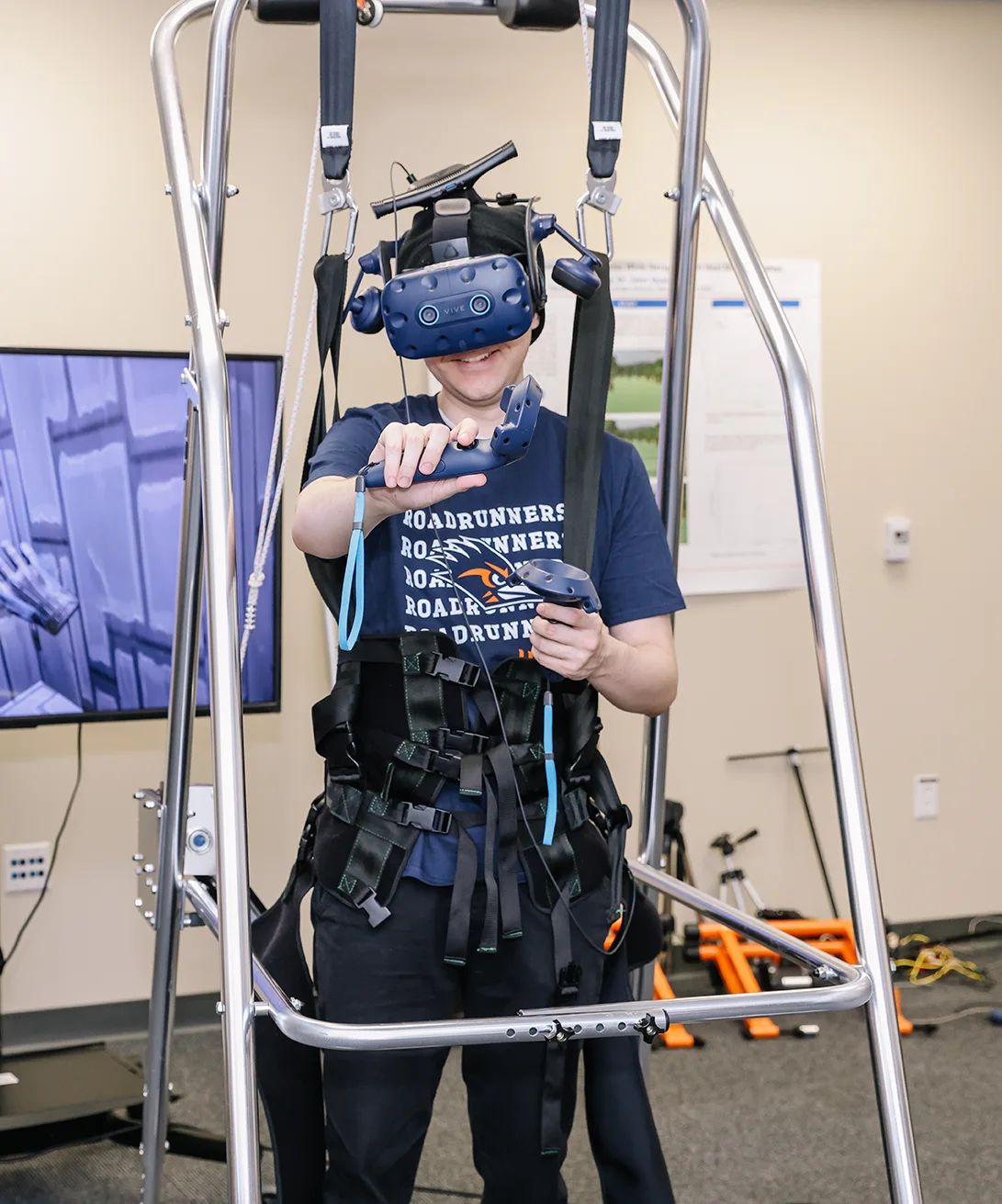
Artificial Intelligence is here to stay, and as the old saying goes, if you aren’t ahead, you’re behind. In higher education and healthcare alike, AI is no longer a distant promise, it is a catalyst reshaping how we teach, learn, heal and innovate.
The impacts of AI are being felt across all sectors, but AI in healthcare has an especially significant opportunity to make a major transformation in medicine. Universities like UT San Antonio are showing that higher ed can be a driving force for innovation. Here are five powerful examples:
1. Training future-forward practitioners
While AI’s presence in the medical field is not novel, its influence is ever-growing, and so is the need for health practitioners with expertise in this advanced technology to enhance patient care. UT San Antonio is doing just that — graduating the first-known students in the nation to hold a dual degree in Medicine and Artificial Intelligence. Armed to lead in the practical use of AI to improve diagnostic and treatment outcomes, having more healthcare providers with this type of specialized training could potentially mean new therapies and treatments, and quicker diagnoses for patients, among many other benefits.
2. Enhancing diagnostic imaging
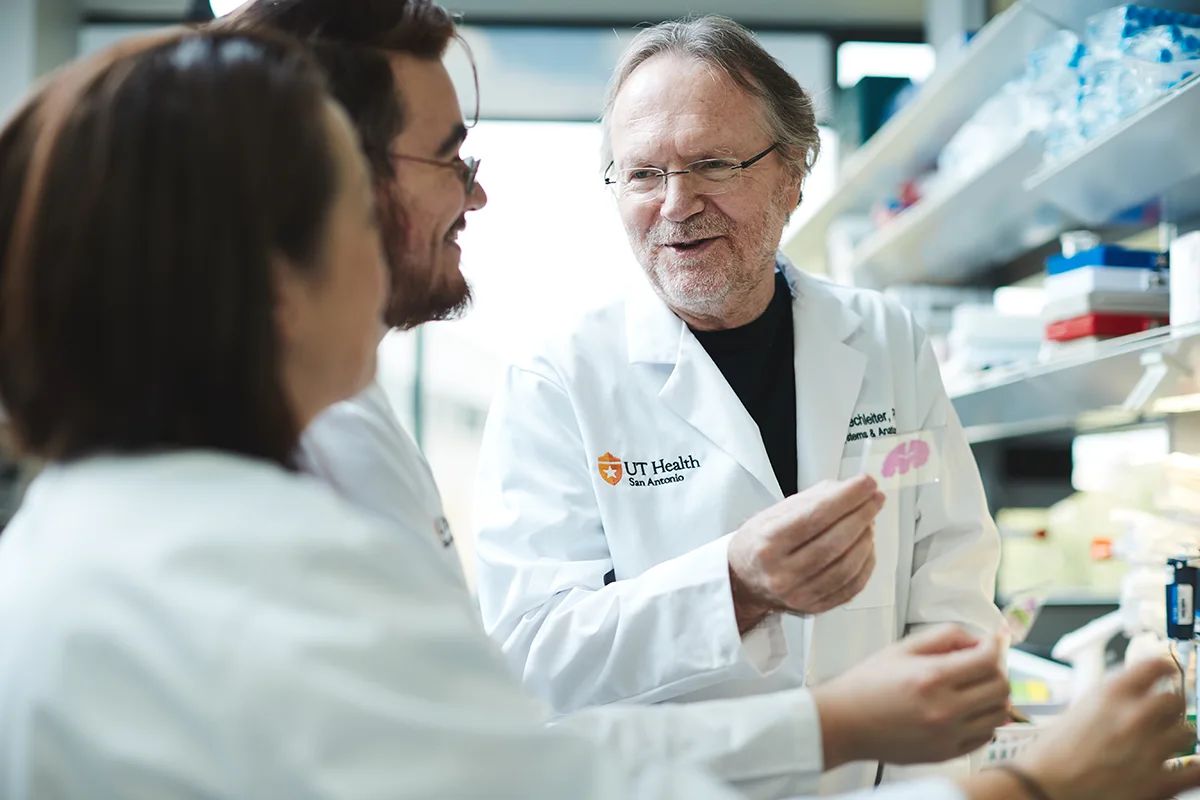
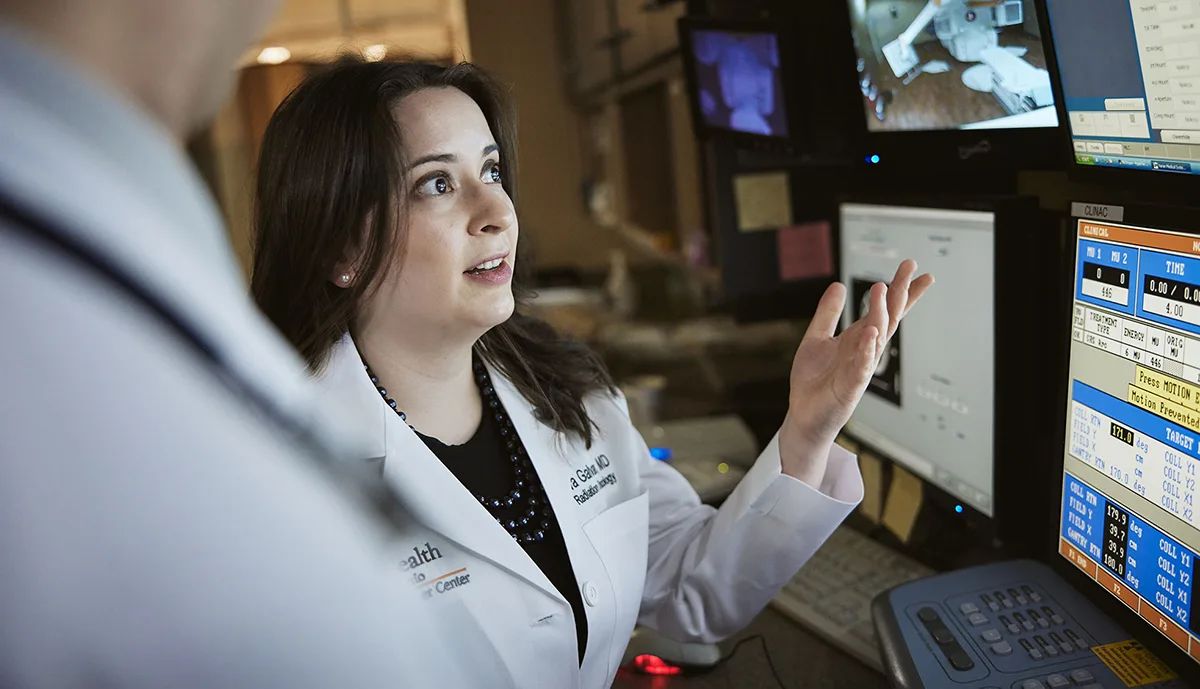
Current coronary imaging technologies are limited in the detailed resolution necessary for physicians to accurately predict future cardiac events. UT San Antonio researchers are developing an advanced Generative AI algorithm that can interpret coronary intravascular images faster and more reliably than human analysts. They’ve spent the last five years compiling thousands of Optical Coherence Tomography (OCT) scans and histology images, which provide precise information about tissue composition. By pairing the two, researchers aim to teach their AI model to recognize different types of artery plaque and heart tissue, enabling clinicians to assess future risks of heart attack in real-time.
3. Improving survival with quicker care
Timely access to emergency services after a traumatic injury is critical for survival. That’s why the MATRIX: AI Consortium for Well-Being at UT San Antonio is working to analyze the time elapsed between patients’ injuries and their arrival at trauma centers. Using AI, they are mapping geographic locations of critical injury scenes to identify hotspots. Once identified, these data sets can inform injury prevention initiatives and interventions, like deploying additional resources where they are most needed to improve response time or transit time. This kind of AI-informed decision-making aims to improve survival rates, reduce the long-term effects of serious injuries and enhance overall trauma system efficiencies.
4. Leading in precision medicine
With the support of AI, healthcare is moving toward more individualized care approaches, advancing the promise of precision medicine. Through the UT Health San Antonio Center for Precision Health, researchers are tracking individual differences in lifestyle and environment with biomarkers and imaging to uncover the most relevant molecular paths to help doctors design therapies based on a patient’s precise diagnoses for individualized treatment. This specialization will help enhance treatments for a variety of major chronic diseases, including cardio-metabolic complications of obesity and diabetes, cancer and neurodegenerative diseases.
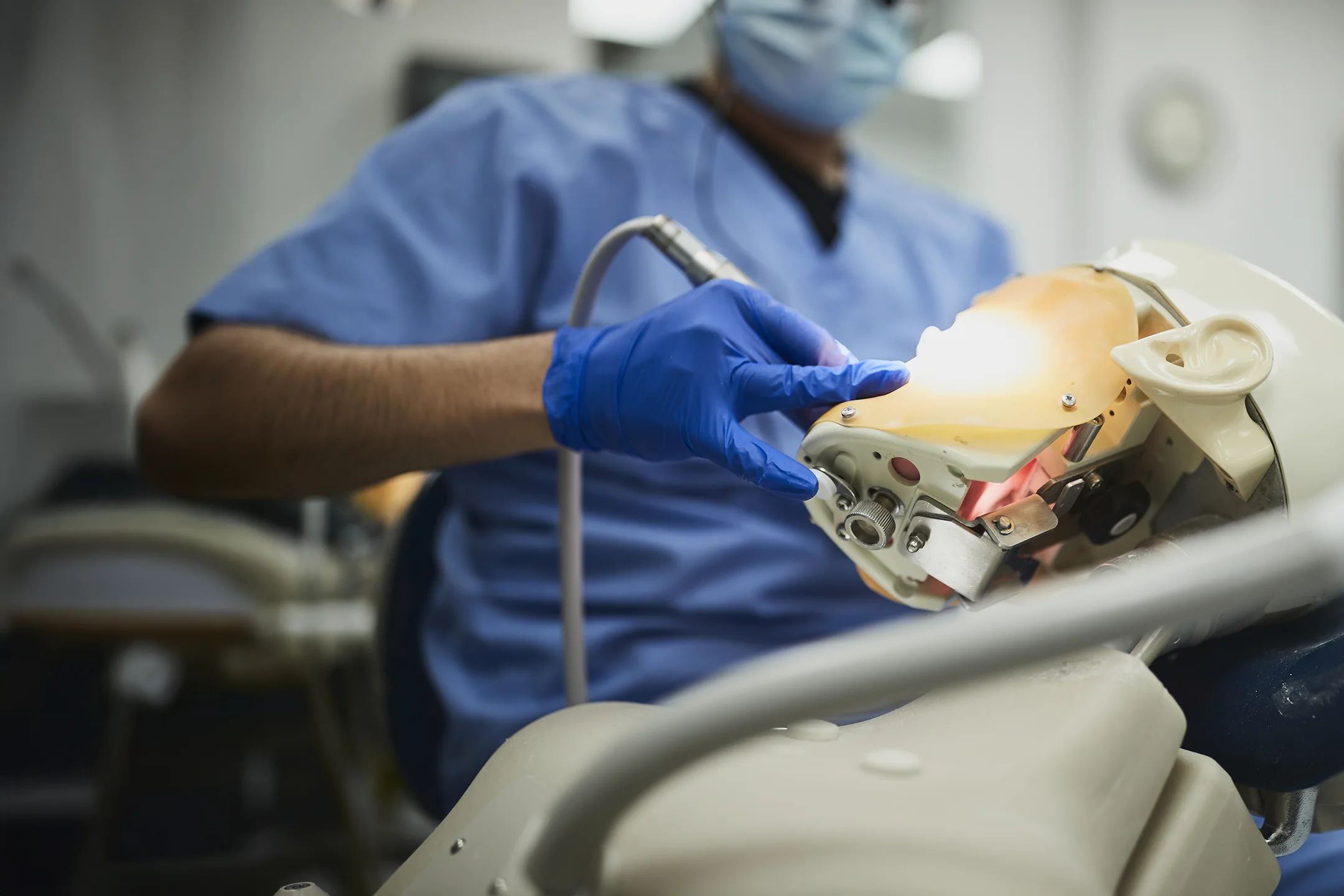
5. Improving dental care and oral health
Every dental patient is different and even small improvements in dental and oral health materials can have a meaningful impact on their care. UT San Antonio researchers are working to create a faster, more precise development of dental materials by using AI to predict how dental composites like cavity fillings or sealants will perform. The challenge is that many dental materials are tested under specific lab conditions, and UT San Antonio scientists want to use AI to identify the most effective materials but also understand which formulations achieve desired outcomes. The multidisciplinary team envisions developing an open-access platform, where researchers and companies can input formulation data and receive predictive insights. With enough data, an AI model could significantly accelerate the development of customized composite materials, helping clinicians deliver stronger, longer-lasting, and more personalized care for every patient.



The Future of Healthcare is Here: AI in Action at UT San Antonio
5 ways the university is using AI to transform medicine – from faster diagnoses to personalized care.

Artificial Intelligence is here to stay, and as the old saying goes, if you aren’t ahead, you’re behind. In higher education and healthcare alike, AI is no longer a distant promise, it is a catalyst reshaping how we teach, learn, heal and innovate.
The impacts of AI are being felt across all sectors, but AI in healthcare has an especially significant opportunity to make a major transformation in medicine. Universities like UT San Antonio are showing that higher ed can be a driving force for innovation. Here are five powerful examples:

1. Training future-forward practitioners
While AI’s presence in the medical field is not novel, its influence is ever-growing, and so is the need for health practitioners with expertise in this advanced technology to enhance patient care. UT San Antonio is doing just that — graduating the first-known students in the nation to hold a dual degree in Medicine and Artificial Intelligence. Armed to lead in the practical use of AI to improve diagnostic and treatment outcomes, having more healthcare providers with this type of specialized training could potentially mean new therapies and treatments, and quicker diagnoses for patients, among many other benefits.

2. Enhancing diagnostic imaging
Current coronary imaging technologies are limited in the detailed resolution necessary for physicians to accurately predict future cardiac events. UT San Antonio researchers are developing an advanced Generative AI algorithm that can interpret coronary intravascular images faster and more reliably than human analysts. They’ve spent the last five years compiling thousands of Optical Coherence Tomography (OCT) scans and histology images, which provide precise information about tissue composition. By pairing the two, researchers aim to teach their AI model to recognize different types of artery plaque and heart tissue, enabling clinicians to assess future risks of heart attack in real-time.

3. Improving survival with quicker care
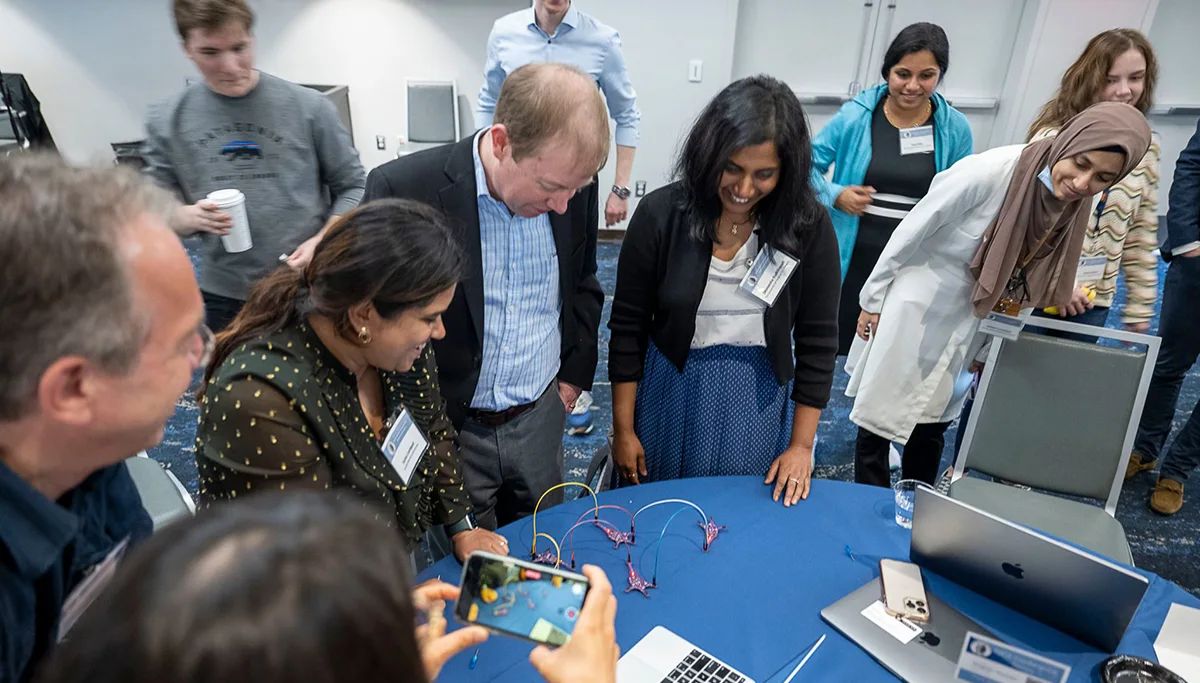
Timely access to emergency services after a traumatic injury is critical for survival. That’s why the MATRIX: AI Consortium for Well-Being at UT San Antonio is working to analyze the time elapsed between patients’ injuries and their arrival at trauma centers. Using AI, they are mapping geographic locations of critical injury scenes to identify hotspots. Once identified, these data sets can inform injury prevention initiatives and interventions, like deploying additional resources where they are most needed to improve response time or transit time. This kind of AI-informed decision-making aims to improve survival rates, reduce the long-term effects of serious injuries and enhance overall trauma system efficiencies.
4. Leading in precision medicine
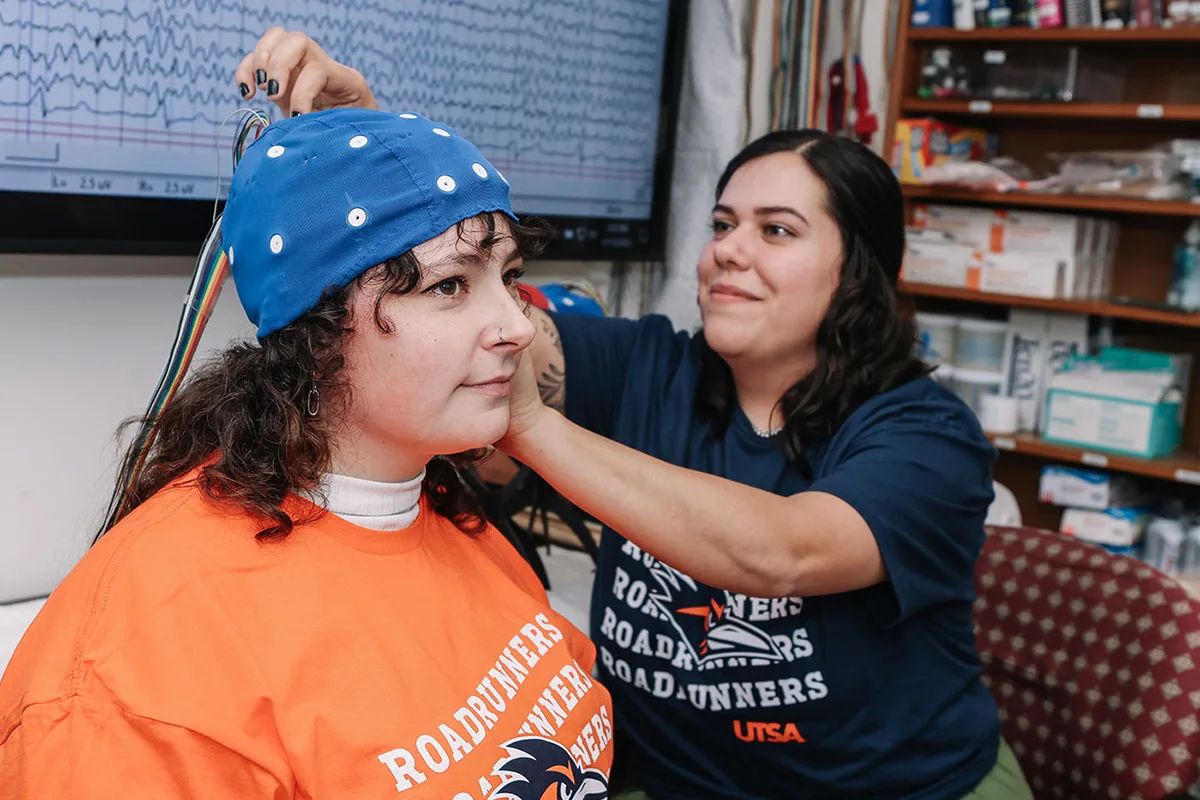
With the support of AI, healthcare is moving toward more individualized care approaches, advancing the promise of precision medicine. Through the UT Health San Antonio Center for Precision Health, researchers are tracking individual differences in lifestyle and environment with biomarkers and imaging to uncover the most relevant molecular paths to help doctors design therapies based on a patient’s precise diagnoses for individualized treatment. This specialization will help enhance treatments for a variety of major chronic diseases, including cardio-metabolic complications of obesity and diabetes, cancer and neurodegenerative diseases.

5. Improving dental care and oral health
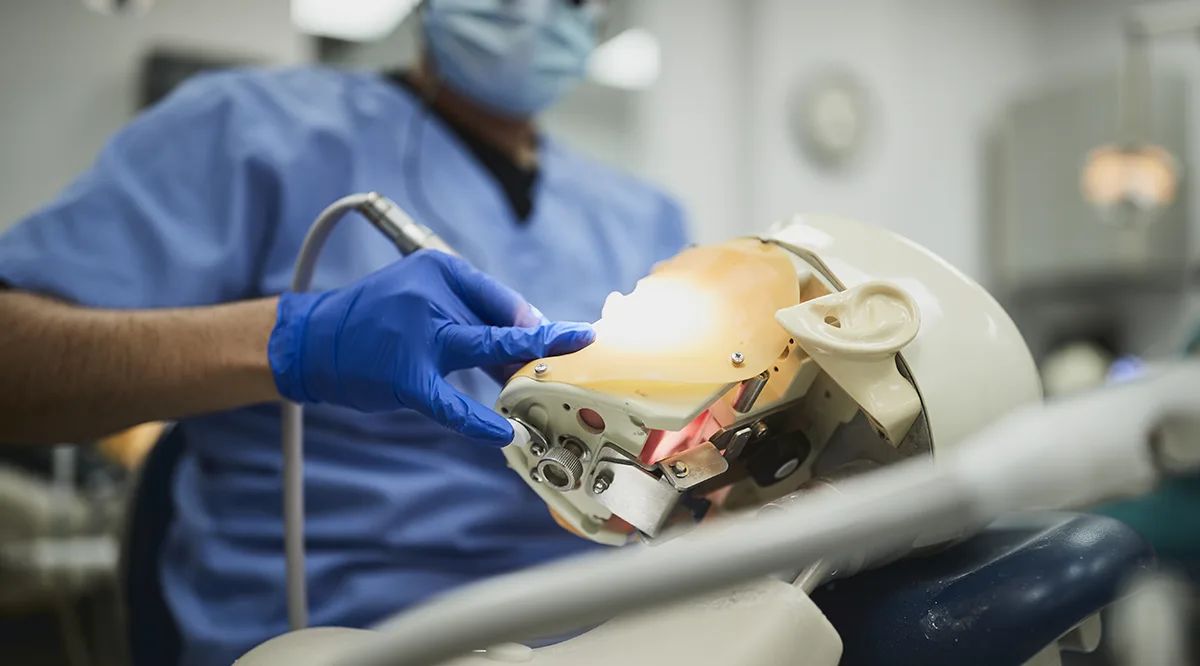
Every dental patient is different and even small improvements in dental and oral health materials can have a meaningful impact on their care. UT San Antonio researchers are working to create a faster, more precise development of dental materials by using AI to predict how dental composites like cavity fillings or sealants will perform. The challenge is that many dental materials are tested under specific lab conditions, and UT San Antonio scientists want to use AI to identify the most effective materials but also understand which formulations achieve desired outcomes. The multidisciplinary team envisions developing an open-access platform, where researchers and companies can input formulation data and receive predictive insights. With enough data, an AI model could significantly accelerate the development of customized composite materials, helping clinicians deliver stronger, longer-lasting, and more personalized care for every patient.
About The University of Texas at San Antonio
The University of Texas at San Antonio (UT San Antonio) is a nationally recognized, top-tier public research university that unites the power of higher education, biomedical discovery and healthcare within one visionary institution. It is the third-largest public research university in Texas in the seventh-largest city in the nation, and one of only 21 universities across the United States with Carnegie’s R1 classification for research excellence and Opportunity University designation for driving social mobility.
This custom content is sponsored by the University of Texas at San Antonio and developed by Inside Higher Ed's sponsored content team. The editorial staff of Inside Higher Ed had no role in its creation.


 Built with Shorthand