
UNCOMMON HERO
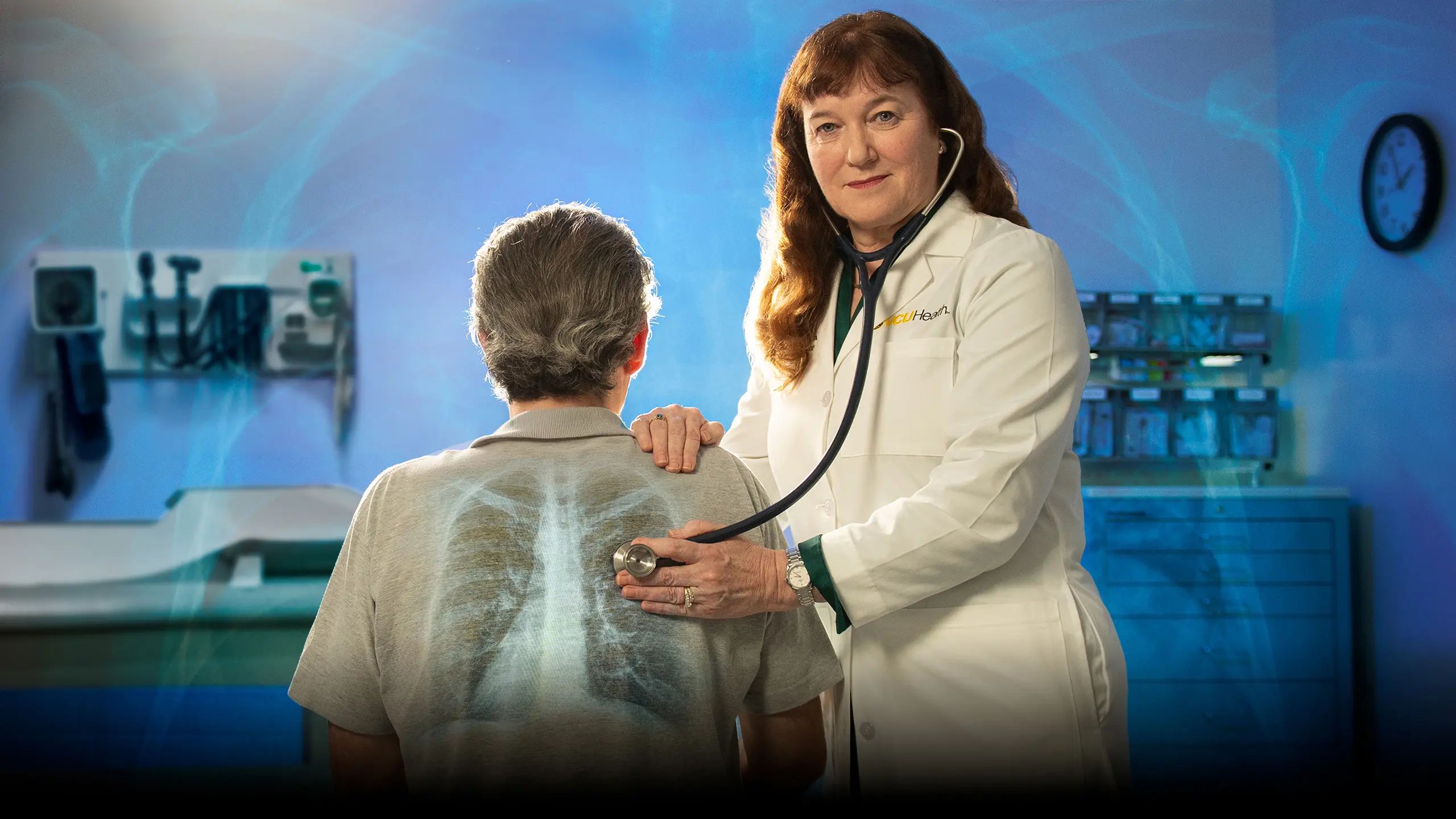

“When you can’t breathe, it really affects every part of your life.”
—— Dr. Patricia Sime, chair of internal medicine at VCU Health
How Dr. Patricia Sime is helping turn pulmonary fibrosis from a devastating diagnosis into something patients can finally feel hopeful about.
The doctor who refused to accept no treatment
When Dr. Patricia Sime was training in Edinburgh, she met a patient with lung scarring and asked a simple question: How do we treat her?
The answer stunned her.
“We can give oxygen, but not much else,” she was told.
That was it. No way to stop the disease. No way to reverse it. No way to change its course. And for patients, very little hope.
For Sime, that wasn’t an answer — it was a problem to solve. This is the kind of thinking that defines Virginia Commonwealth University (VCU): taking on challenges others can’t. Or won’t. And creating the conditions for uncommon breakthroughs.
That moment stayed with her.
Today, at VCU, Sime is reshaping how pulmonary fibrosis — a disease that slowly takes away the ability to breathe freely — is understood. Her work changed what’s possible, turning a field with little to offer into one with real options. Including three FDA-approved therapies.

When you can’t breathe
Pulmonary fibrosis is scarring of the lung, like a scar on skin but inside an organ that has to stay flexible to function normally and keep you alive.
As scar tissue builds, the lungs stiffen. Air sacs disappear. Breathing becomes work.
“It makes people pant when they walk,” Sime says. “And that shortness of breath makes everyday life very difficult.”
In the U.S., about 250,000 people live with pulmonary fibrosis. Roughly 40,000 die from idiopathic pulmonary fibrosis each year.
For years, doctors didn’t fully understand why it happens. Or how to stop it.
From puzzle to pathway
Sime knew that if the disease was ever going to be treated, someone had to figure out what was driving it.
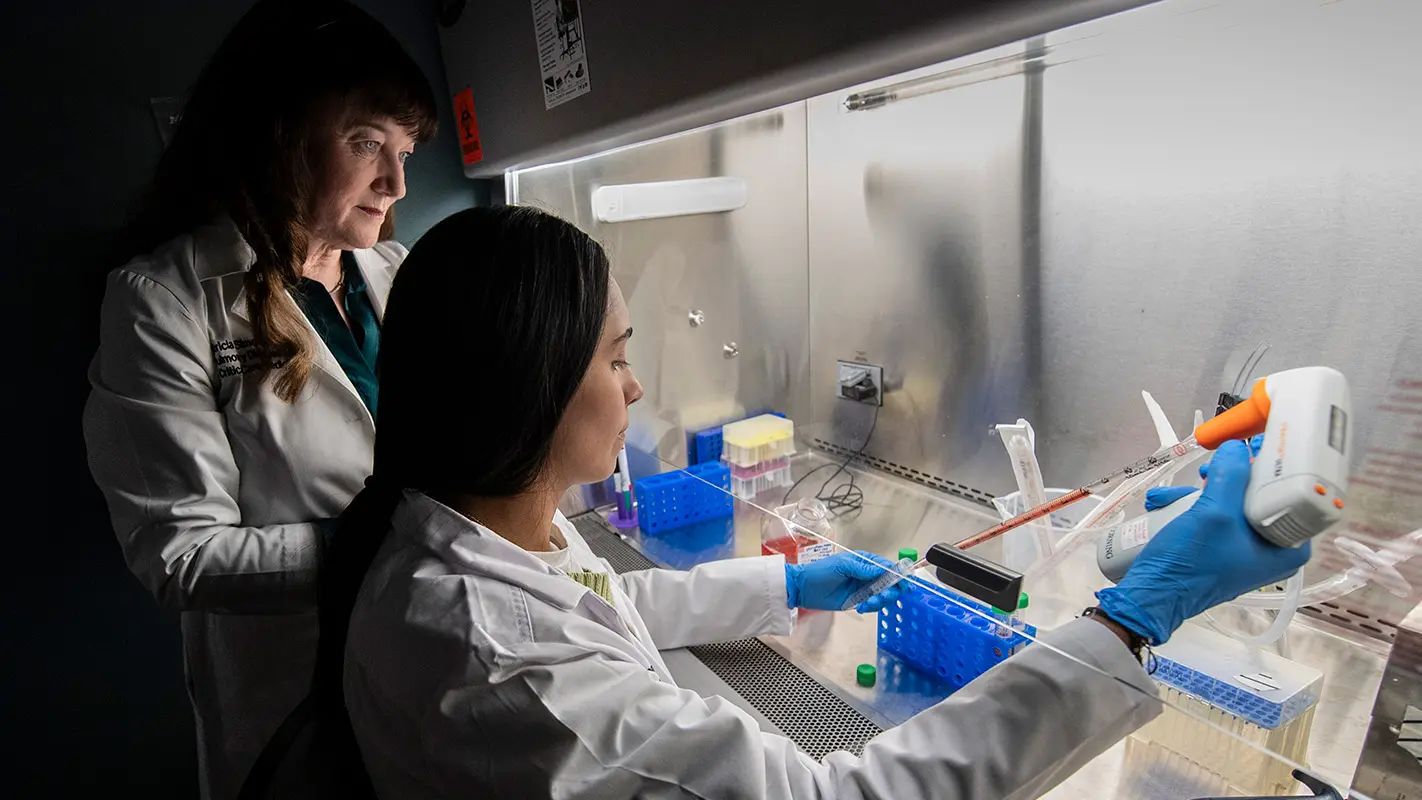
So, she left the clinic and went to the lab. She went deeper into the science, asking a different question: not just what the disease looks like, but what turns a healthy lung into a scarred one.
But it wasn’t until she arrived at VCU that the work accelerated. Sime had access to patients and the freedom to work across disciplines in ways she hadn’t before.
Early on, she focused on a molecule called TGF beta — long linked to fibrosis but never shown to drive the disease in the lung.
Sime proved that it does.
That insight helped establish one of the central pathways behind fibrosis, shaping how it’s studied and treated around the world.
VCU: Where teams take on what others won’t
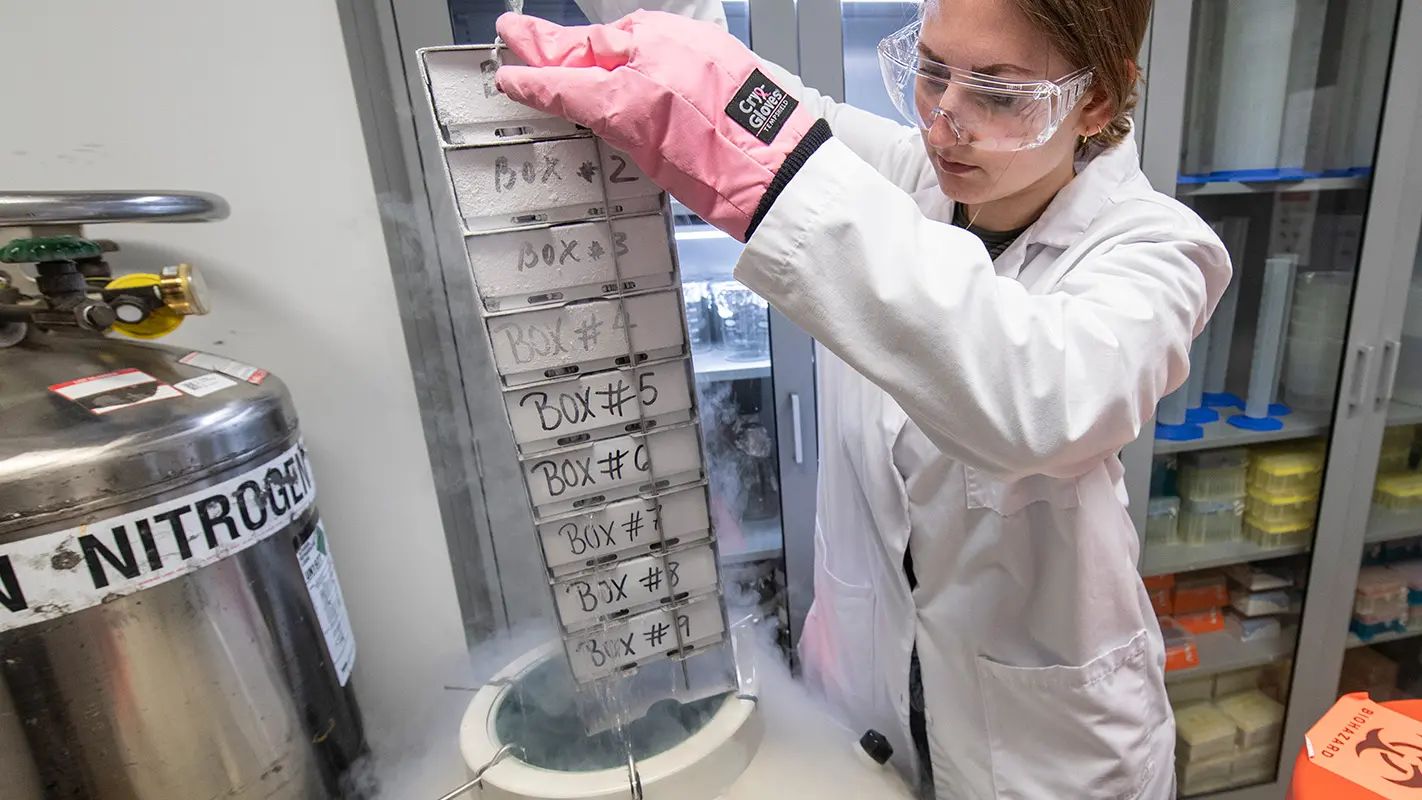
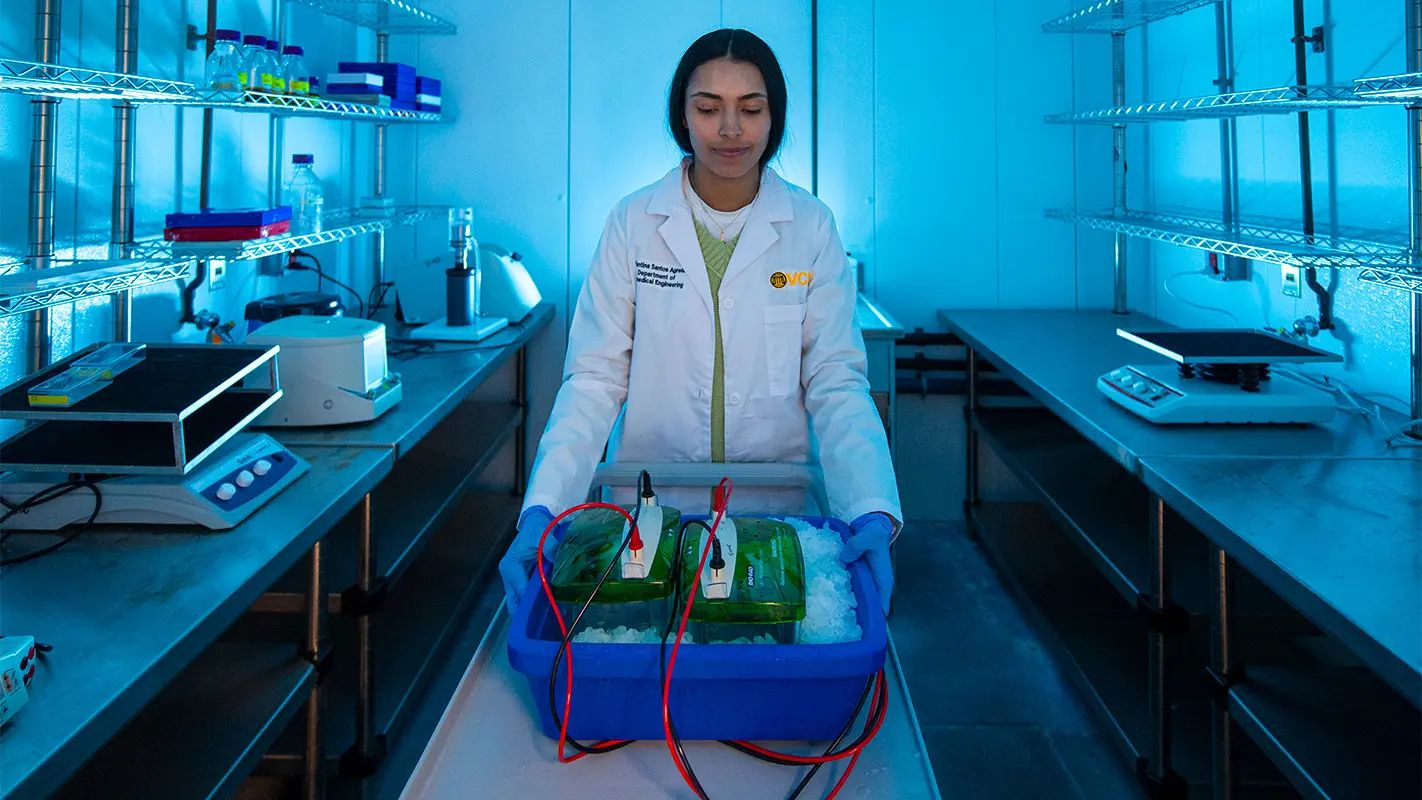
At VCU, researchers from different disciplines — engineers, clinicians, data scientists and bench scientists — work side by side, asking different questions and pushing the same problem forward.
That environment changed how Sime and her team looked at fibrosis. Not just as a chemical process, but a physical one.
Scarred lungs don’t just behave differently. They feel different. Heavier. Stiffer.
Her team showed that stiffness isn’t just a result of disease — it can drive it. That shift changed where researchers looked next. And how they think about treating the disease.
“We need to think unconventionally,” she says. “And bring people together who see things differently.”
From no options to undeniable ones
For patients, this changes everything.
Not long ago, many people with pulmonary fibrosis had no meaningful treatment options. Now there are therapies that can slow it, trials testing what comes next, better ways to detect it earlier.
“Patients have more options than they ever had before,” Sime says.
And in a disease like this, even small gains matter. Because pulmonary fibrosis doesn’t just affect lungs. It changes how people live.
Getting dressed, walking upstairs, leaving the house – everything takes more effort.
“It affects every part of life,” she says. “And families and loved ones, too.”
Patients at the heart of it all
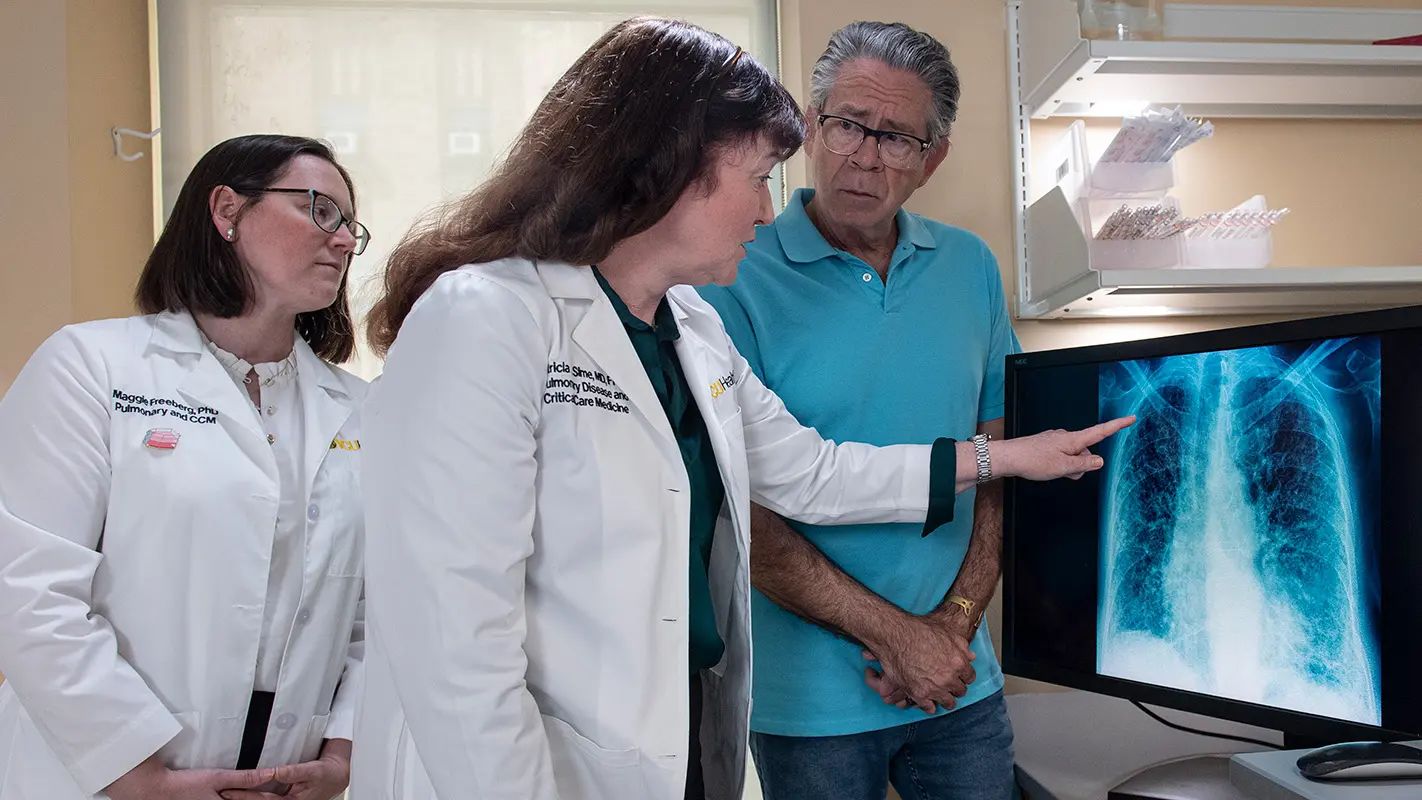
For Sime, patients aren’t separate from the work. They are the work.
“They’re the center of our team,” she says.
At VCU, she brings patients into the lab — not just to participate, but to see what’s happening. They meet the people doing the research. They see what they’re contributing to. And they give more than most people realize.
“They know it may not help them,” she says. “But it might help the next person.”
One of the first patients she lost still stays with her — a young woman who knew she wouldn’t survive but still wanted to help.
“She would have done anything, joined any clinical trial, if it meant someone else might have a better chance,” Sime says.
What comes next
Today’s treatments can slow the disease. But they can’t stop it. Not yet.
That’s the unshakable goal.
Earlier detection. Better targeting. Eventually, stopping — even reversing — the scarring.
“My goal?” she says. “I’m going to cure pulmonary fibrosis.”
It’s a big goal. But so was getting this far.
And for patients who can breathe a little easier today — and those who may one day breathe freely again — the work is already giving people their lives back.
As a top 20 percent global university, Virginia Commonwealth University is an unparalleled powerhouse of innovation and creative problem solving. VCU attacks challenges as opportunities to do what others can’t. Or won’t. It’s truly a university unlike any you’ve ever seen.
As a top 20 percent global university, Virginia Commonwealth University is an unparalleled powerhouse of innovation and creative problem solving. VCU attacks challenges as opportunities to do what others can’t. Or won’t. It’s truly a university unlike any you’ve ever seen.
This custom content is sponsored by Virginia Commonwealth University and developed by Inside Higher Ed's sponsored content team. The editorial staff of Inside Higher Ed had no role in its creation.

 Built with Shorthand