

UNCOMMON HERO


“There’s no such thing as a safe vape. Consumers have no idea what they’re putting into their lungs.”
–Michelle Peace, forensic toxicologist, Virginia Commonwealth University
The Scientist Who
Took on Big Vape
“There’s no such thing as a safe vape. Consumers have no idea what they’re putting into their lungs.”
–Michelle Peace, forensic toxicologist, Virginia Commonwealth University
The Scientist Who Took on Big Vape
On a chilly morning in late March 2025, Michelle Peace stood before the Virginia Cannabis Control Authority, tears welling in her eyes as she warned the board that its inaction was endangering children. Her three-minute testimony wasn’t planned. But when the veteran forensic toxicologist from Virginia Commonwealth University (VCU) saw the data—that vapes confiscated from elementary to high schools contained unregulated cannabis and chemicals—she couldn’t stay silent.
“Shame on you,” she said, voice cracking. “If you really care about kids, you’ll care about what they’re vaping.”
From Crime Lab to Consumer Watchdog
That urgency and fire define Peace’s work and align entirely with VCU’s mission to tackle what others can’t—or won’t. A bench scientist turned advocate, she leads one of the only academic labs in the country using forensic toxicology to expose the unregulated, often dangerous world of vaping and cannabis products.


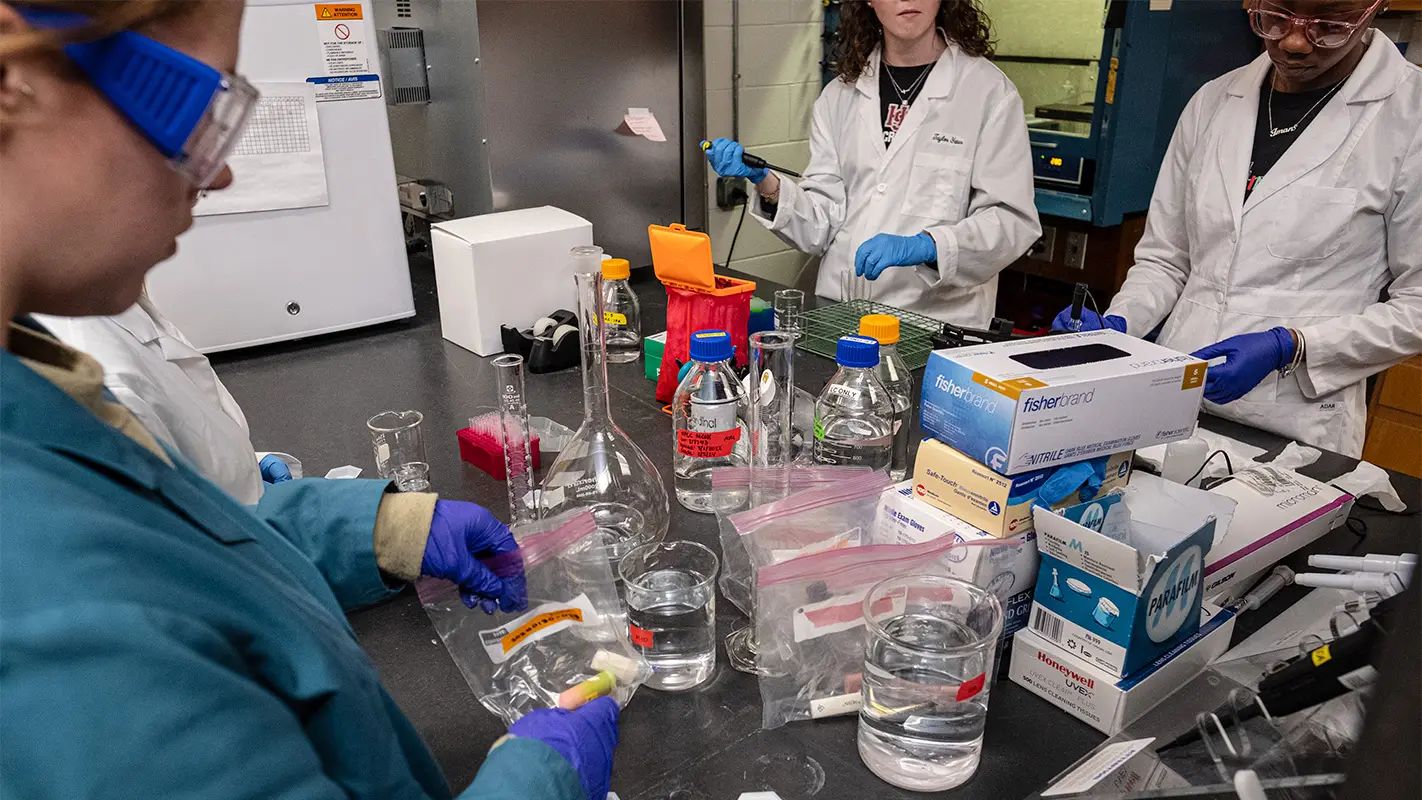
What began as a scientific inquiry into device tampering has evolved into a crusade. “We were initially asking if people can manipulate these devices to vape other drugs,” she said. “But when we started analyzing what was in the liquids themselves, we realized there’s no oversight. None.”
At first, she just wanted to know what consumers were inhaling. Now, she sees herself as part scientist, part advocate—and part translator. “We have to take the science and make it make sense to the public. Because if you’re not measuring it, you can’t manage it.”
At VCU, Peace’s team doesn’t just test devices in typical, pristine lab conditions—they recreate how people actually use them. Modified coils, home brews–it’s a much messier, more human approach. And exactly what makes her unique findings so urgent.
Poison in the Puff
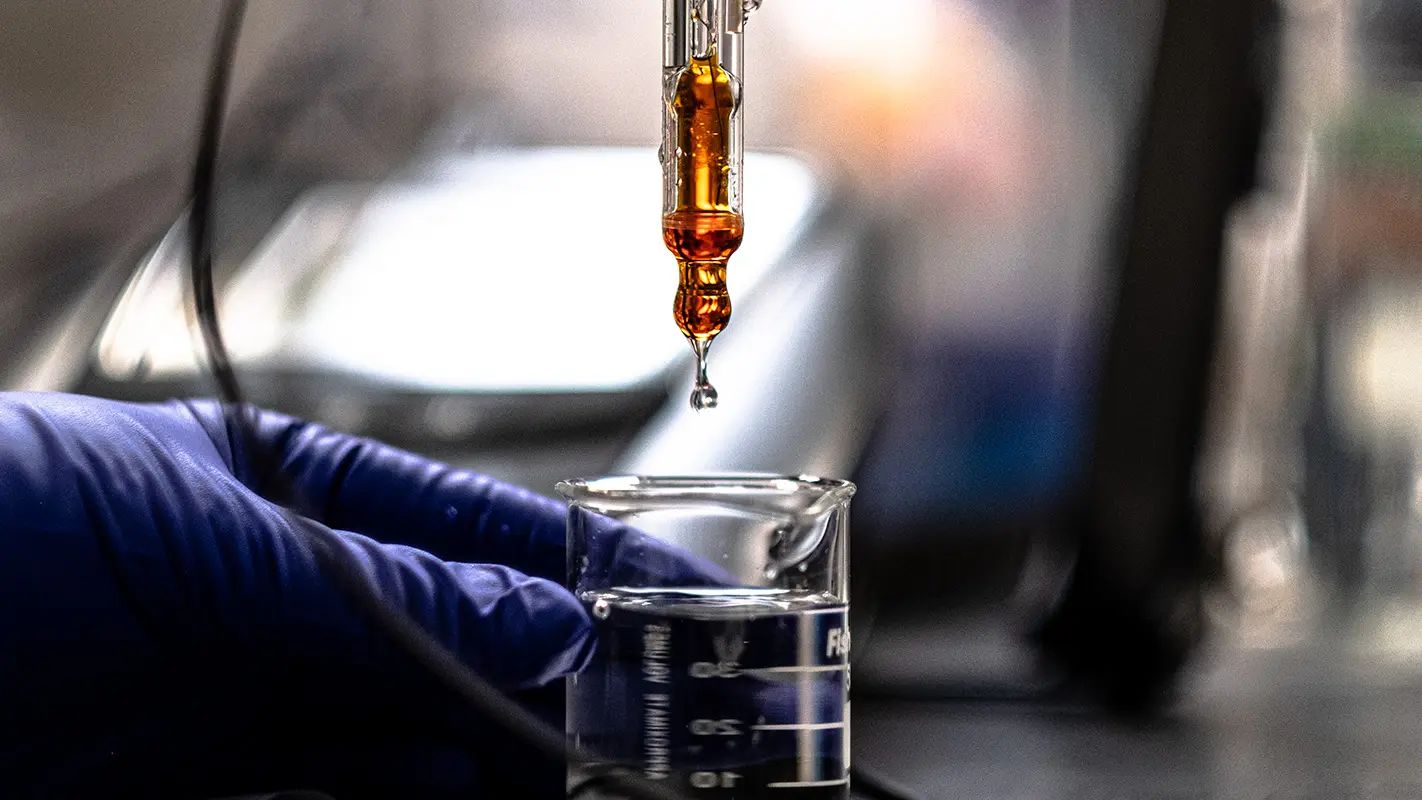
Peace’s lab has uncovered vapes laced with dangerous synthetics, including one compound—5F-ADB—that had already caused tens of thousands of deaths worldwide. Other products contained dextromethorphan, the active ingredient in cough syrup, and even ethanol in dangerously high concentrations.
“We’ve found brake cleaner, nail polish remover, mold and yeast,” she said. “And these are being inhaled directly into the deepest parts of the lungs.”
In one widely circulated study, her team tested nine CBD products from a single brand. Four contained that deadly synthetic cannabinoid 5F-ADB, even though the company’s website claims the products are “organic” and “safe.” Peace didn’t hold back. “Its CEO tried to discredit me for two years. Every time he did, I got louder.”

When Vaping Nearly Kills
Peace speaks from experience. In one chilling case, a young soldier was hospitalized with collapsed lungs after vaping nicotine products. Peace’s team spent months analyzing his devices, searching for illicit drugs, bacteria, mold. They found nothing beyond standard vape chemicals.
“That was the wake-up call,” she said. “He wasn’t vaping anything unusual. Just the stuff millions of people use every day. And it nearly killed him.”
The military eventually banned vaping across all branches. For Peace, it was a clear reminder: “These products don’t need to be laced with anything extra to cause serious harm.”

A Student’s Suggestion. A Global Wake-Up Call.
Peace’s research, which started with a single student’s suggestion in 2013, now informs national and international policy discussions. That student had just returned from studying abroad and brought up a strange new product she’d seen gaining popularity in Europe: vapes. “She sat down in my office and said, ‘I think you need to look at these,’” Peace recalled. “I remember Googling it during our advising session.”
At first, Peace dismissed the idea. “I said, I’m a forensic toxicologist. I don’t care how people consume nicotine.” But curiosity stuck. What if the devices could be tampered with? What if people started vaping drugs other than nicotine? That moment sparked a decade-long journey into one of today’s most urgent public health crises.
Today, her insights are shaping conversations not just in schools and state legislatures, but at the highest level of government. She’s been invited to meetings with the Food and Drug Administration and the Centers for Disease Control and Prevention. She now serves on the National Safety Council’s advisory panel on vaping and consults with public health officials around the globe.
And when school officials come to her saying, ‘We just wish kids were only vaping nicotine,’ she digs in further. “We can’t just guess. We have to know what they’re inhaling,” she said.
The Untiring Crusader
Still, Peace’s work is not about prohibition. “I’m not calling for an outright ban,” she said. “But I am calling for transparency.”
She and her team meet with parent-teacher associations, speak in schools and help clinicians understand how vaping affects health. “The public has been tricked by early messaging,” she said. “We’re still begging doctors to even ask, ‘Do you vape?’”
Peace credits VCU’s “spirit of creativity and uncommonness” for making her work possible. “There’s a little bit of grittiness to it. Here, I can poke the bear, so to speak,” she chuckled. “I’ve been recruited by other institutions. But VCU is where I have the freedom to be bold, find collaborators and make an impact. So, every single time I’ve said, ‘No.’”
When asked what she would tell a young person tempted to vape, she didn’t hesitate: “Know that you’re being used. Know you’re being manipulated for profit. And be savvy about what you put in your body. It’s the only one you get.”
This custom content is sponsored by Virginia Commonwealth University and developed by Inside Higher Ed's sponsored content team. The editorial staff of Inside Higher Ed had no role in its creation.


 Built with Shorthand