
How this private college is preparing its graduates for a lifetime of careers
York College of Pennsylvania offers its students a potent blend of pre-professional and liberal arts education. York’s president and general education director talk about the College’s approach — and how other institutions can follow its lead.
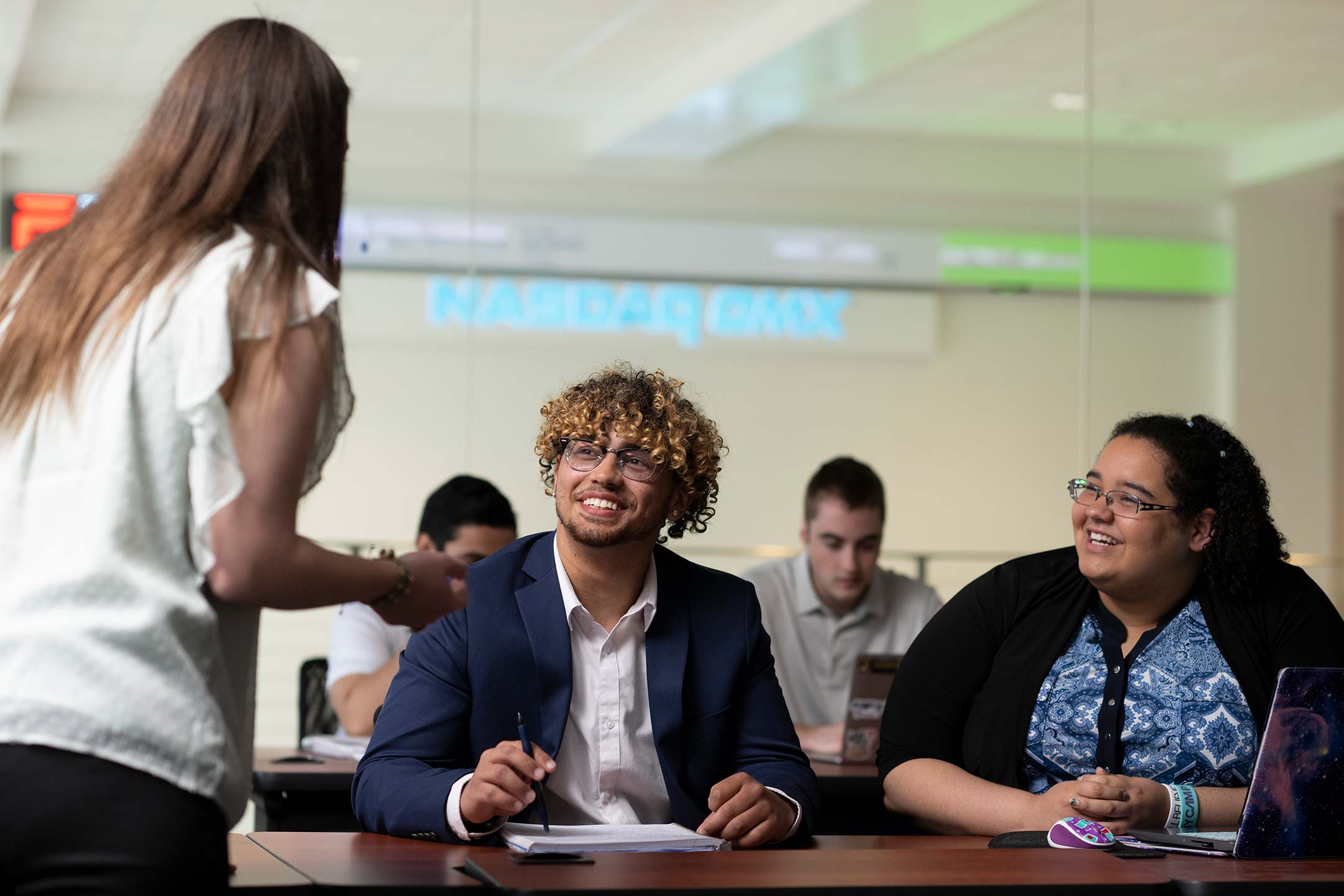

Colleges and universities all over the country are having similar discussions about the value of a college degree. These conversations generally focus on this central question: How can colleges prepare their graduates not only to land their first job but also to succeed in a lifetime of careers?
York College of Pennsylvania has emphatically answered the question this way: by combining professional training through experiential education and community engagement with a comprehensive general education program built upon a sturdy liberal arts foundation.
“What we’re doing at York College is providing a much more direct and clear connection to opportunities for jobs right after college and long after,” President Thomas Burns said. “You don’t do that by compromising the width and breadth of the liberal arts.”
Designed for action
Preparing students for careers is in the DNA of York College. Founded in 1787, it served as a junior college from World War II until 1968, when it became a four-year institution.
York College is located in York County — known as the snack food capital of the world — and generations of the College’s business and engineering graduates have worked at the nearby potato chip and pretzel manufacturers. The College sits just across the street from WellSpan York Hospital, the county’s largest employer.
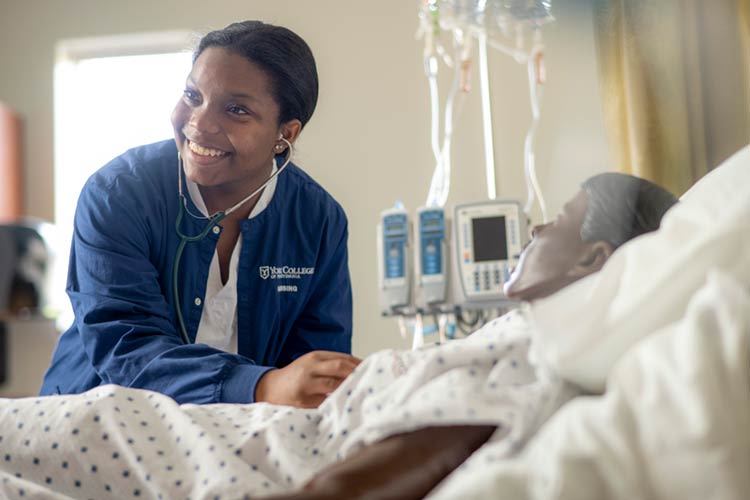
Today, York College is a regional comprehensive institution that educates graduates to meet the needs of the area. More than three-fourths of the College’s undergraduates major in pre-professional programs such as engineering, nursing, education, business, and STEM disciplines.
“People send their kids to York College to get a job, so we focus a lot on getting our students connected to the real world,” said Burns, who became the College’s fifth president in July. “That approach isn’t unique in higher education. We’re just much more invested in saying that every student must have these opportunities.”
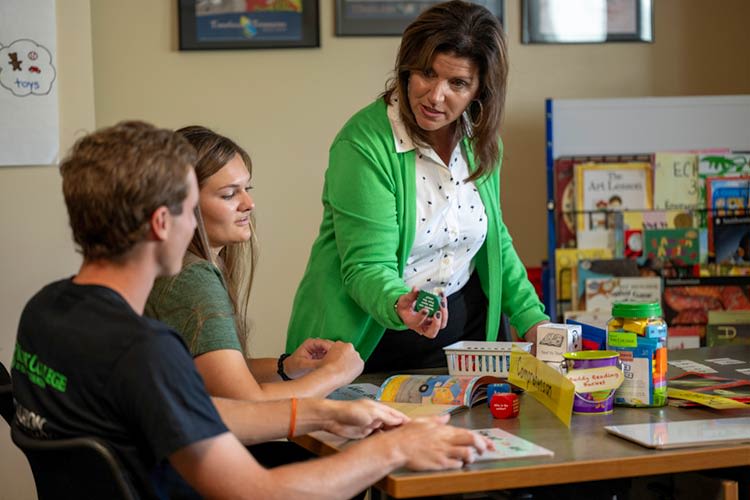
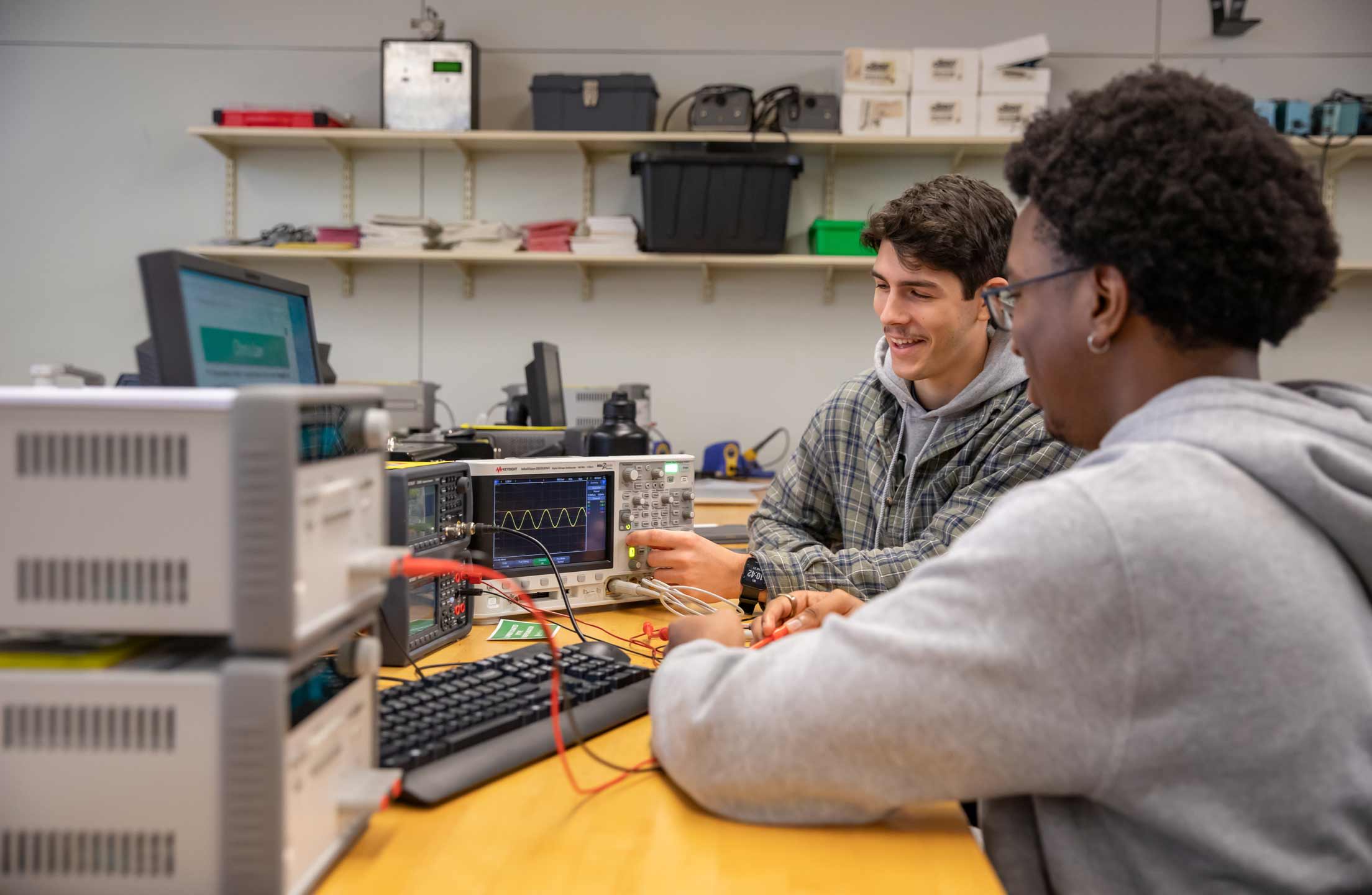
York College achieves this in two interconnected ways: experiential learning and community engagement. The College encourages students to do internships, externships, work-study, and other off-campus opportunities — all designed so they can take action to address real-world problems and effect change outside the classroom. The College also uses the community as a living laboratory. Its distinctive Center for Community Engagement brings students and the College together with local businesses and organizations to collaborate and share resources.
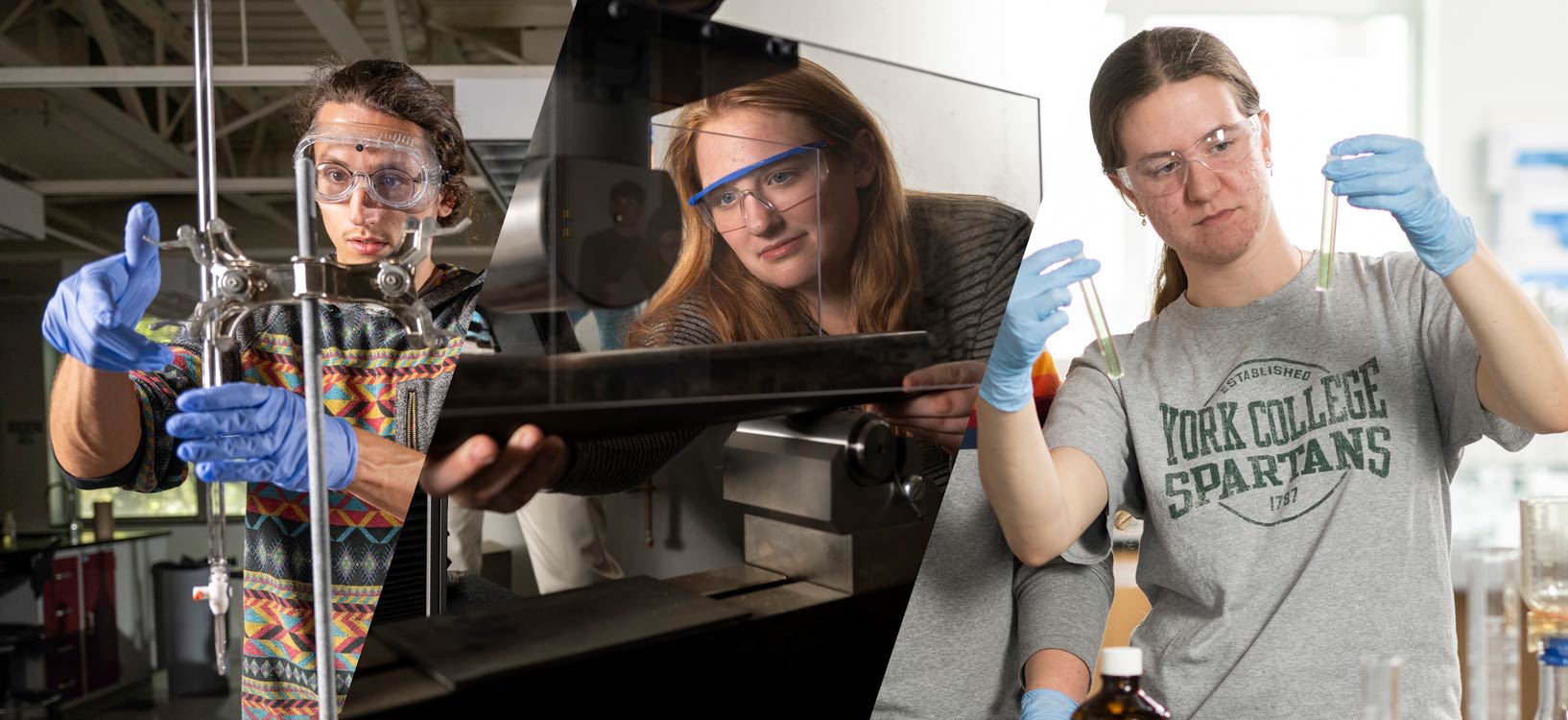
Hands-on learning connected to careers also takes place in York College classrooms. Last fall, the College became the first academic institution in the United States to acquire an AIRsight microscope for its Chemistry Department that allows for sophisticated molecular analysis. Burns, who holds a doctorate in chemistry, said students who go to industry or graduate school might use this exact piece of equipment.
York College recognizes that its graduates must be ready to go to work while also being prepared for more than just employment.
“Think about what our world needs: We need smart, thoughtful citizens who know how to work and want to contribute,” Burns said. “We spend a lot of time at York College developing the habits and attitudes of being a productive citizen. When you couple experiential learning with community engagement, that’s what drives the kind of individuals that companies and communities want.”

To strengthen pre-professional education
Words of advice from President Thomas Burns:
Focus on students. Institutions should do everything in their power to give students skills, abilities, and knowledge to prepare them for life after college. “They’re only going to spend four years with us. We’ve got to get them ready to go out in the world.”
Ask employers what they need. Preparing students for careers entails understanding what skills and talents the marketplace demands. Employers will tell you if you ask them. Also, ask alumni to identify the skills that have been most valuable in their careers.
Know your place. Most York College students come from Pennsylvania, Delaware, Maryland, and northern Virginia, and most graduates live within 100 miles of campus. “You don’t always have to ride the train for the most cutting-edge program. You need to serve the community where you live.”

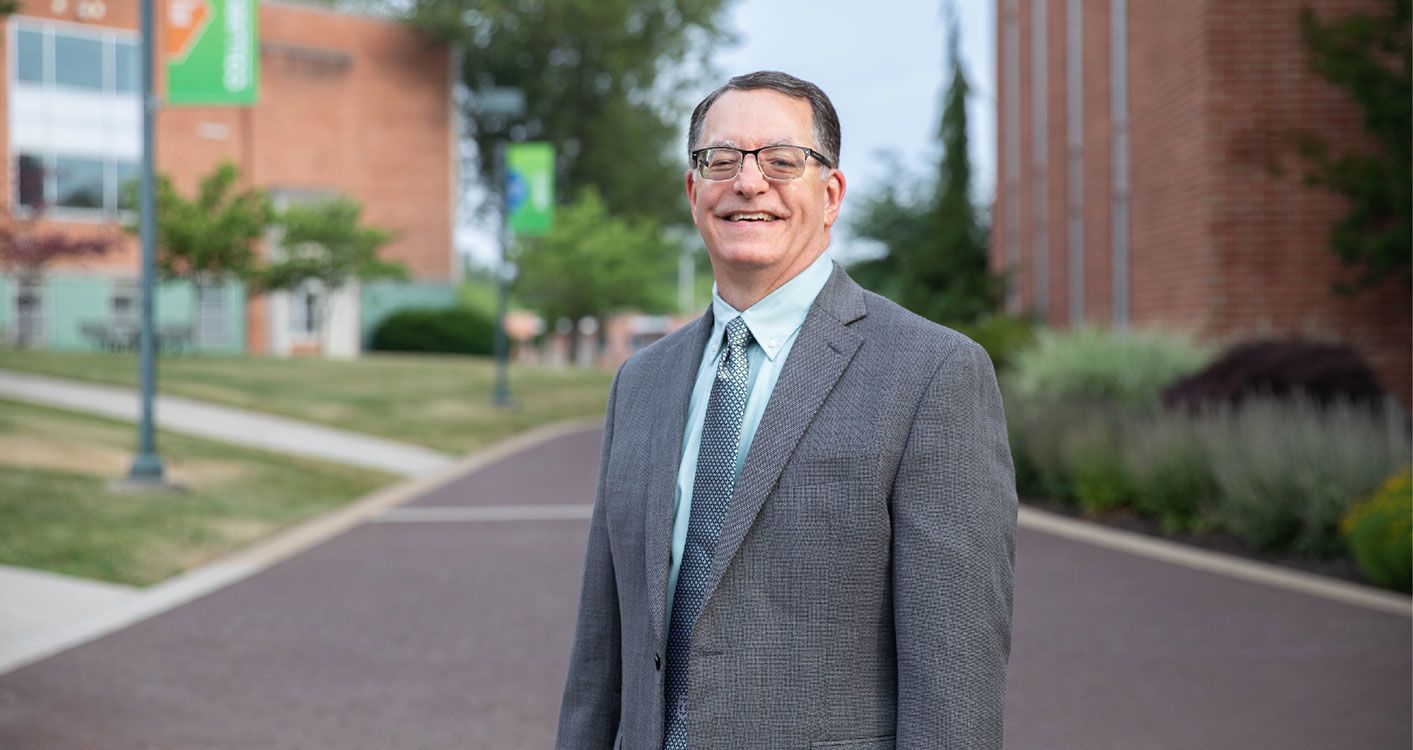
York College President Thomas Burns
York College President Thomas Burns

‘Like gears that work together’
Deep, immersive study of the liberal arts teaches students to communicate, to think critically, and to solve problems. These are the exact same skills that employers are looking for — and why York College created a comprehensive and mutually reinforcing general education program.
Called Generation Next, York College’s general education program gives students a set of life-long skills so they can move up in their chosen field or pivot to a different industry or career path. The College adopted this new program in 2015 to replace an unfocused program that gave students too many choices and no clear paths.
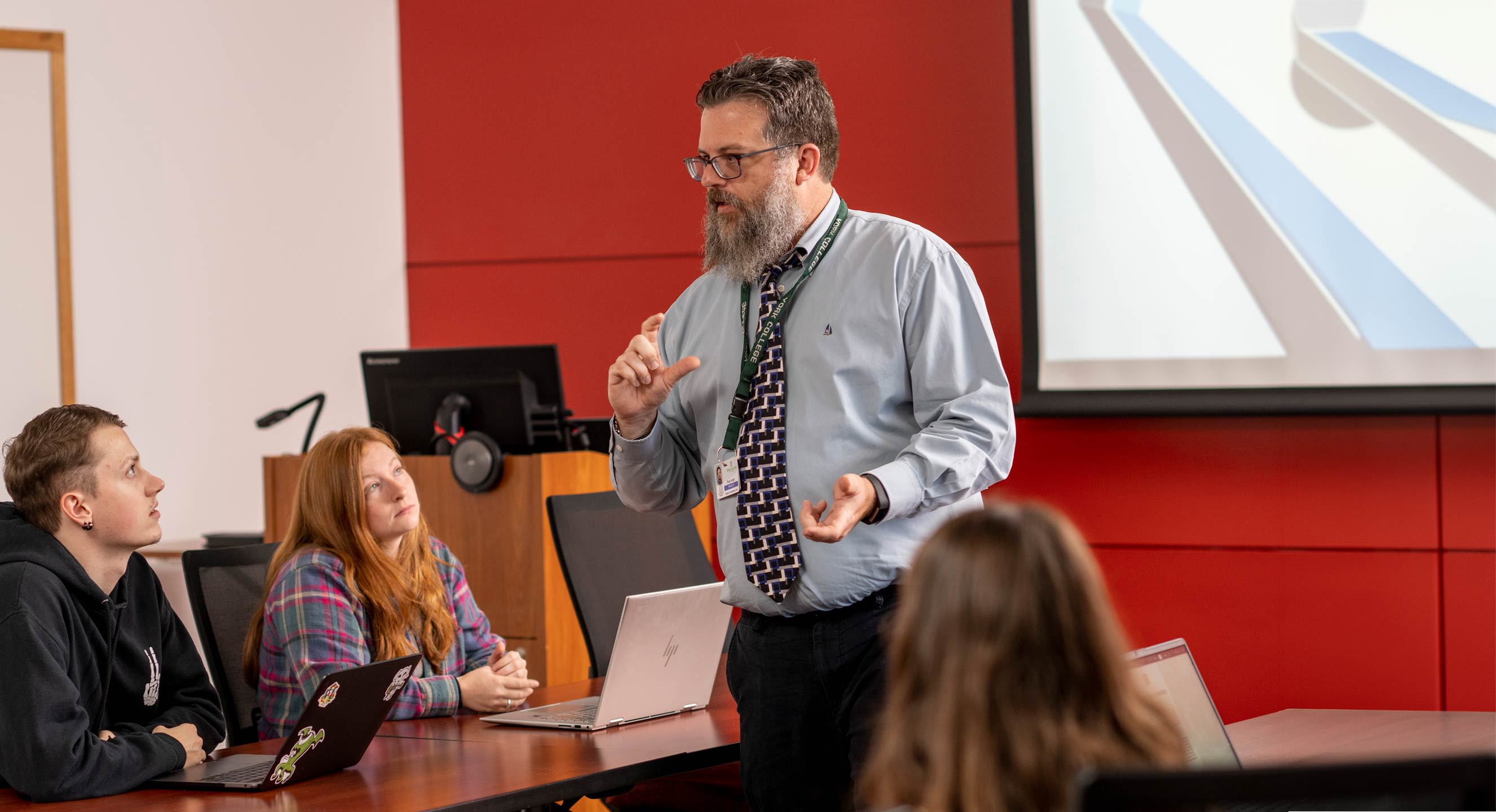
With Generation Next, “we wanted to design a general education system that addressed specific skills and college-wide student learning outcomes — critical thinking, communication, and interdisciplinary learning,” said Dr. Kay McAdams, an associate professor of history and director of general education. “Then we wanted those skills to be reinforced once they got into their major. Gen ed and academic majors are like gears that work together to help students become proficient in the skills and abilities they’ll need in their lives and careers.”

Generation Next starts with the First Year Seminar, taken during a student’s first semester. An interdisciplinary course introduces students to York College, helps them transition to college, and engages them intellectually and academically.
As first-year students and sophomores, students take five Foundations courses, which are building-block classes in communication, advanced communication, quantitative fluency, and American and global citizenship. They also take Disciplinary Perspectives — one course in each arts, humanities, social and behavioral sciences, and natural and physical sciences — to explore different subjects and learn more about their world.
Before their junior year, students select a Constellation — a sort of mini-minor — from among six options. Constellations are academic communities organized around a specific theme that require students to take four upper-level courses across different disciplines. In the Building a Better World constellation, for instance, students can choose from history, biology, literature, philosophy, and other classes that explore issues related to sustainability, science, and technology.
The College allows some major courses to fulfill general education requirements. High Impact Practice and Innovation courses, which include study abroad, project-based courses, and community-based learning, can fulfill up to two Constellations requirements.
“Generation Next teaches the skills and abilities associated with being a York College graduate. They’re what we say students will be able to do and be proficient in regardless of major,” McAdams said. “They’re also lifelong career preparation skills because our students will change jobs and be asked to do different things. These skills will serve them not just in the short term but also throughout their lives.”
To strengthen general education
Words of advice from Dr. Kay McAdams:
Be clear. Make sure that the student learning outcomes and the associated college-wide skills and abilities are well defined.
Embed skills and outcomes throughout the curriculum. The general education program and major courses should mutually reinforce skill development.
Invest in faculty development. Intentional skill development and college-wide student outcomes might be new to some faculty, who might want help incorporating these practices into their curricula.
“All that critical thinking, communication, and inter-cultural competency — everything that’s embedded in the humanities is career readiness,” McAdams said. “But it’s on the faculty to help students explicitly understand that the skills they’re learning in class will prepare them for careers.”

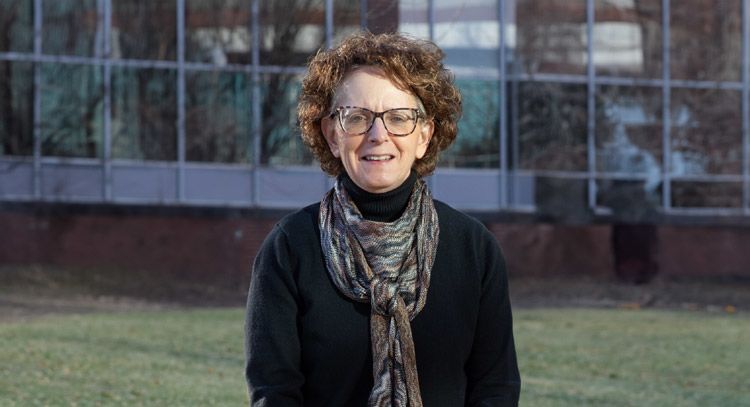
Dr. Kay McAdams
Dr. Kay McAdams

This custom content is sponsored by York College of Pennsylvania and developed by Inside Higher Ed's sponsored content team. The editorial staff of Inside Higher Ed had no role in its creation.

 Built with Shorthand